Courtesy of Dr. Carlos Fava.
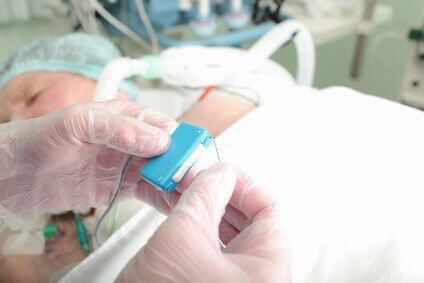
While the benefits of TAVR are well-known, the need for a permanent pacemaker after implantation is still an issue to solve, even though new valves have reduced it.
This study enrolled 175 patients who underwent TAVR with an ACURATE neo TF valve. In this population, 58% of patients were women and the mean age was 83 years old; 20% of patients had diabetes, 81% experienced hypertension, 34% had coronary disease, 19% presented atrial fibrillation, 8% had a prior pacemaker implantation, 9% experienced complete right bundle branch block (RBBB), and 7% experienced complete left bundle branch block (LBBB). The Society of Thoracic Surgeons (STS) score was 4.1.
Read also: “Quality of Life Between Surgery and Angioplasty for the Treatment of Left Main Disease”.
The procedure was performed under local anesthesia with conscious sedation in all patients, and the transfemoral access was used in all cases. Predilatation was performed in all patients and post-dilatation was performed in 26% of them. Paravalvular regurgitation was moderate in 4.6%, mild in 57.7%, and minimum or none 37.7% of all cases.
At discharge, 10.3% of all patients had a new LBBB, 0.6% a new RBBB, and 6.3% a new first-degree atrioventricular block (AVB). The rate of need for pacemaker was 2.3%.
At 30 days, the rates of stroke and mortality were 1.7% and 0.6%, respectively.
Read also: “Coronary Artery Dissection in Women: Rare and Difficult to Manage”.
The predictors for new conduction disorders were the presence of diabetes, prior treatment with beta-blockers, and low gradient.
Conclusion
With careful selection of the balloon and the ACURATE neo valve size, there were very low rates of new conduction disorders and need for permanent pacemaker without increasing the rate of paravalvular regurgitation.
Editorial Comment
This study is encouraging, since one of the downsides of TAVR is the need for pacemaker and the presence of paravalvular regurgitation. In this analysis, this device offered very low rates of need for pacemaker and new conduction disorder, as well as a very low incidence of leak.
These advancements result from new technological developments and greater group experience. That notwithstanding, more research is warranted.
Courtesy of Dr. Carlos Fava.
Original title: Very Low Pacemaker Rate Following ACURATE Neo Transcatheter Heart Valve Implantation.
Reference: Stefan Toggweiler, et al. EuroIntervention 2017;13:1274-1281.
Get the latest scientific articles on interventional cardiologySubscribe to our weekly newsletter
We are interested in your opinion. Please, leave your comments, thoughts, questions, etc., below. They will be most welcome.