






Percutaneous left atrial appendage occlusion (LAAO) has surged as an effective alternative to treat patients with atrial fibrillation (AF) presenting counterindications for oral anticoagulants. However, the optimal antithrombotic treatment after LAAO is still debated, seeing as it should prevent device related thrombosis (DRT) while minimizing bleeding risk.
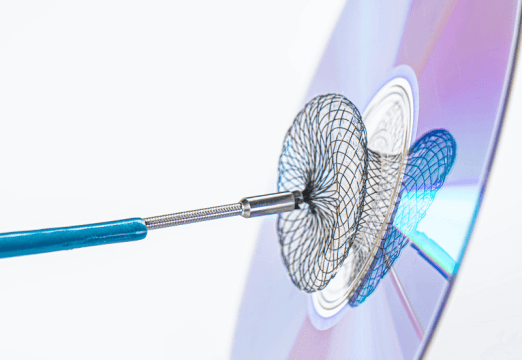
The aim of this retrospective study carried out at one single center, was to assess the long term safety and efficacy of the single antiplatelet strategy (SAPT) after LAAO.
Primary end point was cardiac CT or transesophageal echocardiography presence of DRT 6 to 12 months after intervention. There was an additional end point with clinical variable including transient ischemic attack, intra and extracranial bleeding, all-cause mortality, and cardiovascular mortality.
Of a total 553 patients undergoing LAAO, 77% received SAPT as antithrombotic scheme at discharge, aspirin being the most used (72%), followed by clopidogrel (5%). The remaining 22% was discharged with dual antiplatelet therapy (DAPT), anticoagulation with or without antiaggregant, or without antiaggregant. Mean followup was 4.1 years, with mean age 74 approximately and a predominance of men. Mean CHA2DS2-VASc and HAS-BLED scores of SAPT patients resulted 3,9 and 3,4 respectively. Fortunately, patients in the SAPT cohort showed a mean CHA2DS2-VASc score higher than 4,4 and a HAS-BLED score lower than 3,0.
Read also: LpA: 30-Year Cardiovascular Followup in Primary Prevention Cohorts.
1,5% of patients showed the primary end point at 8 week followup. Ischemic stroke rate at one year was 2,2% (CI 95%: 1,1-4,2). One-year major bleeding and cardiovascular death rates were 5,9% (CI 95%: 4,0-8,9) and 2,9% (IC: 1,6-5,1), respectively.
Conclusion
This study has revealed that the use of SAPT following LAAO results in comparable rates of stroke and DRT to those of large registries and studies using more intensive antithrombotic schemes. Also, there was a lower rate of major bleeding. The use of SAPT after LAAO seems safe and effective in select patients, even though the strategy requires further assessment.
Dr. Andrés Rodríguez.
Member of the Editorial Board of SOLACI.org.
Original Title: Single antiplatelet therapy following Amplatzer left atrial appendage occlusion.
Reference: Anders Kramer et al EuroIntervention 2024;20:e301-e311.
Subscribe to our weekly newsletter
Get the latest scientific articles on interventional cardiology



