






While highly prevalent, tricuspid regurgitation is a notably undertreated valvulopathy. Its progression has been associated with higher mortality and significant disability. According to the current guidelines, surgical management is a class I recommendation (ESC guidelines), while transcatheter management has a class II-A indication. Compared against the surgical repair of other valve conditions, such as aortic and mitral valvulopathies, tricuspid regurgitation outcomes have been suboptimal, with 5-10% surgical mortality.
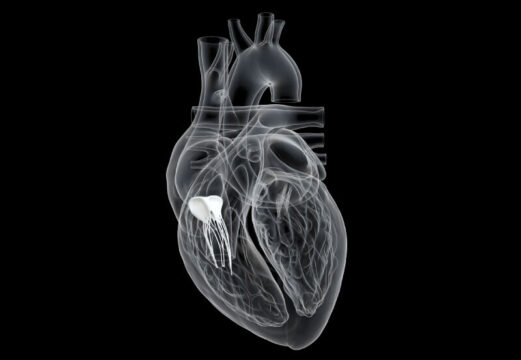
Mitral valve transcatheter edge-to-edge repair (TEER) has shown good results, which has led to edge-to-edge extrapolation to tricuspid repair (T-TEER), especially after the TRILUMINATE findings. This study showed improvement, mainly in quality of life parameters, vs. optimal medical treatment.
Study Objectives: Comparing Tricuspid Regurgitation TEER vs. Surgical Repair
Shimoda et al. carried out an observational retrospective study comparing T-TEER against surgical tricuspid repair.
Data were obtained from Medicare 2016 and 2020 patients, who were classified into two groups: primary or degenerative and secondary or functional tricuspid regurgitation. Primary end point was mid-term all-cause mortality (two years). Secondary outcomes included hospitalization for cardiac failure (CF), stroke, pacemaker implantation, tricuspid reintervention, and T-TEER reintervention.
Read also: ACCESS-TAVI: Comparing Post TAVR Vascular Closure Devices.
Tricuspid Regurgitation Edge-to-Edge vs. Surgical Repair: Advantages, Risks and Results
A total 1143 were analyzed, 409 undergoing T-TEER and 734 surgical repair. Mean follow-up was 13.3 months. T-TEER patients were older, had more comorbidities and significantly higher Charlson index, while surgical patients presented more history of prior heart surgery.
With regard to midterm outcomes, T-TEER showed comparable two-year mortality (adjusted HR, 0.84; CI95% 0.63-1.13; P=0,25). CF hospitalization rate (adjusted HR 0.96; CI95% 0.56-1.65) and stroke (adjusted HR 0.53; CI95% 0.10-2.76) were also similar between the groups.
As regards secondary events, T-TEER was associated to lower pacemaker implantation rate (adjusted HR 0.14; CI95% 0.06-0.30; P≤0.001), but with significant increase in tricuspid reintervention (adjusted HR 8.03; CI95% 2.87-22.48; P≤0.001).
Regarding in-hospital events, the T-TEER adjusted cohort presented significantly lower in-hospital mortality, as well as lower rates of kidney injury, respiratory complications, need for transfusion, cardiac tamponade and cardiac failure. This translated into shorter hospital stay vs. surgical patients.
Conclusions
This retrospective comparison of strategies for the treatment of tricuspid failure found that two-year mortality resulted comparable between T-TEER and surgical repair, also with similar hospitalization adjusted rates. However, as regards in-hospital events, the safety profile favored T-TEER, with lower mortality and lower need for pacemaker implantation.
Original Title: Comparison of Transcatheter versus Surgical Tricuspid Repair among Patients with Tricuspid Regurgitation: Two-Year Results.
Reference: Tomonari Shimoda, et al. Comparison of Transcatheter versus Surgical Tricuspid Repair among Patients with Tricuspid Regurgitation: Two-Year Results. Circulation: Cardiovascular Interventions. doi:10.1161/CIRCINTERVENTIONS.124.014825.
Subscribe to our weekly newsletter
Get the latest scientific articles on interventional cardiology



