LATAM Bif Registry: January 2022 Report

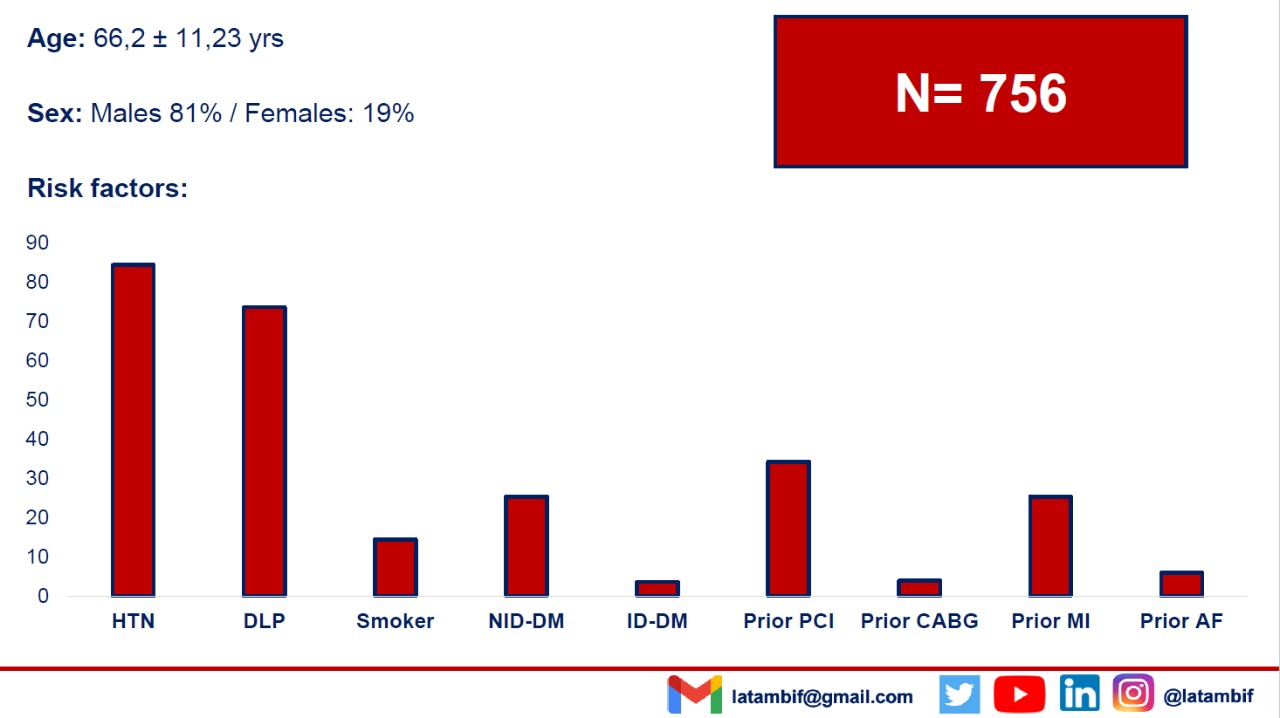
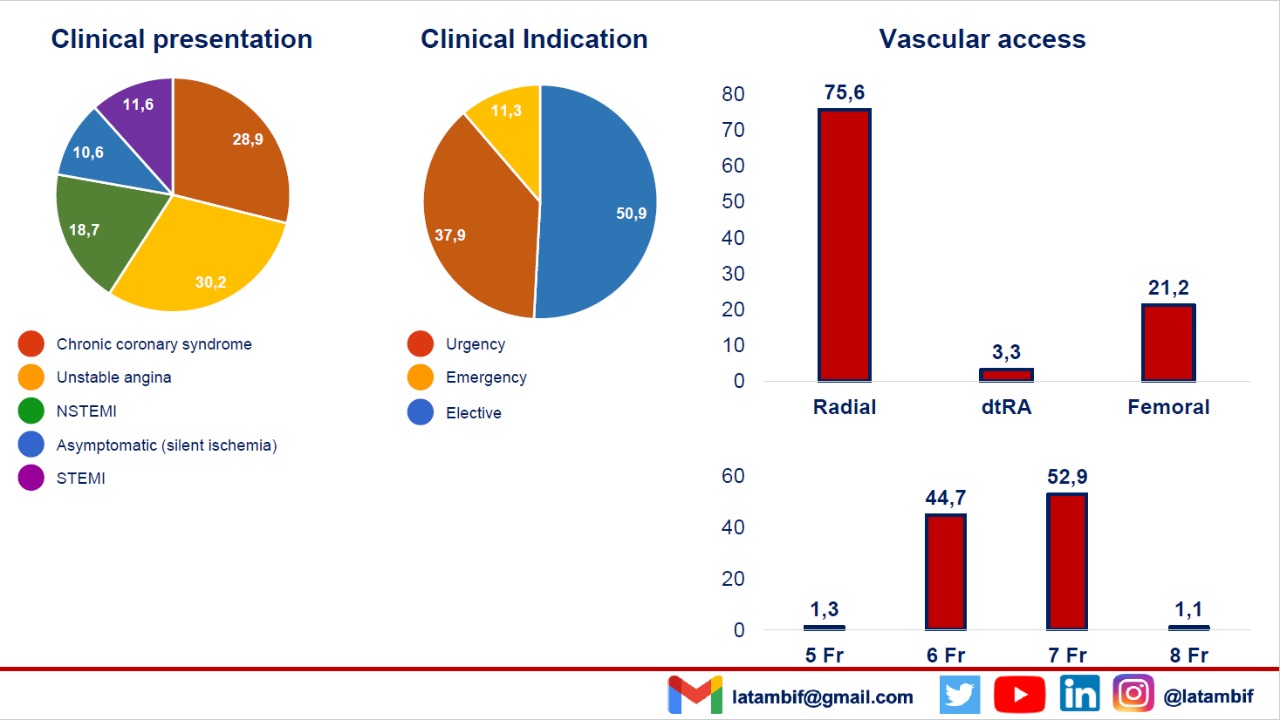
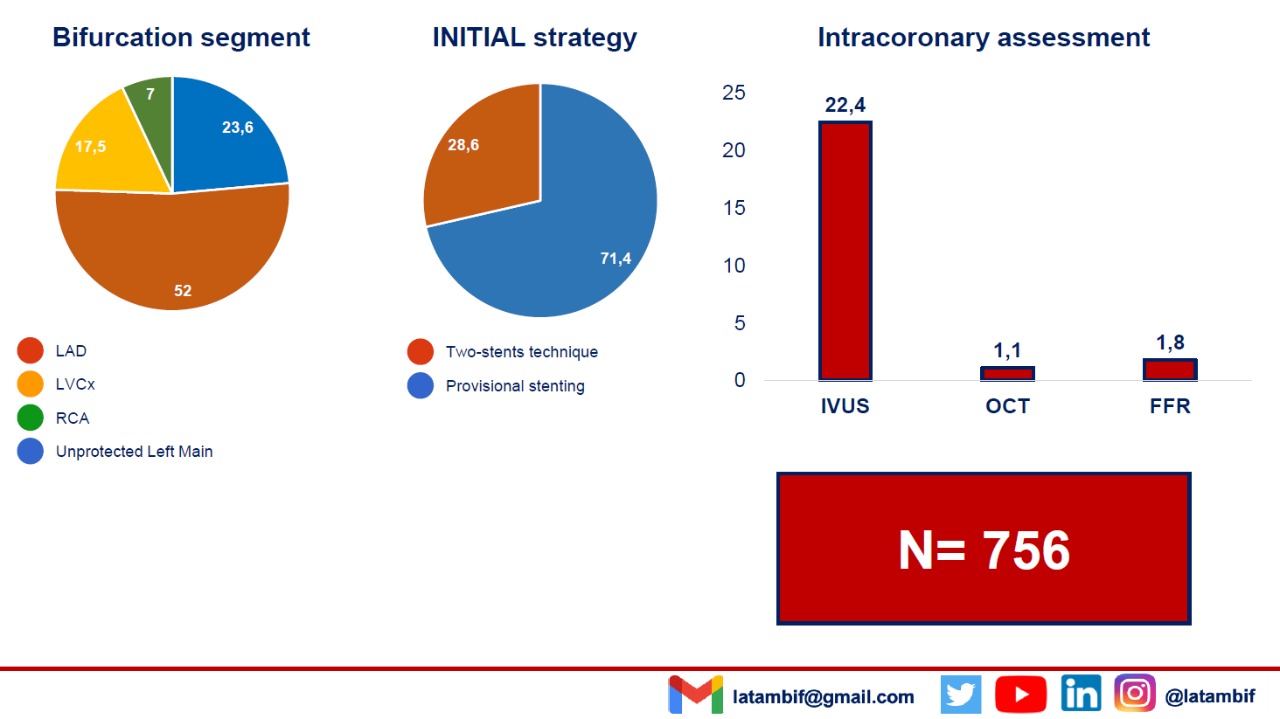
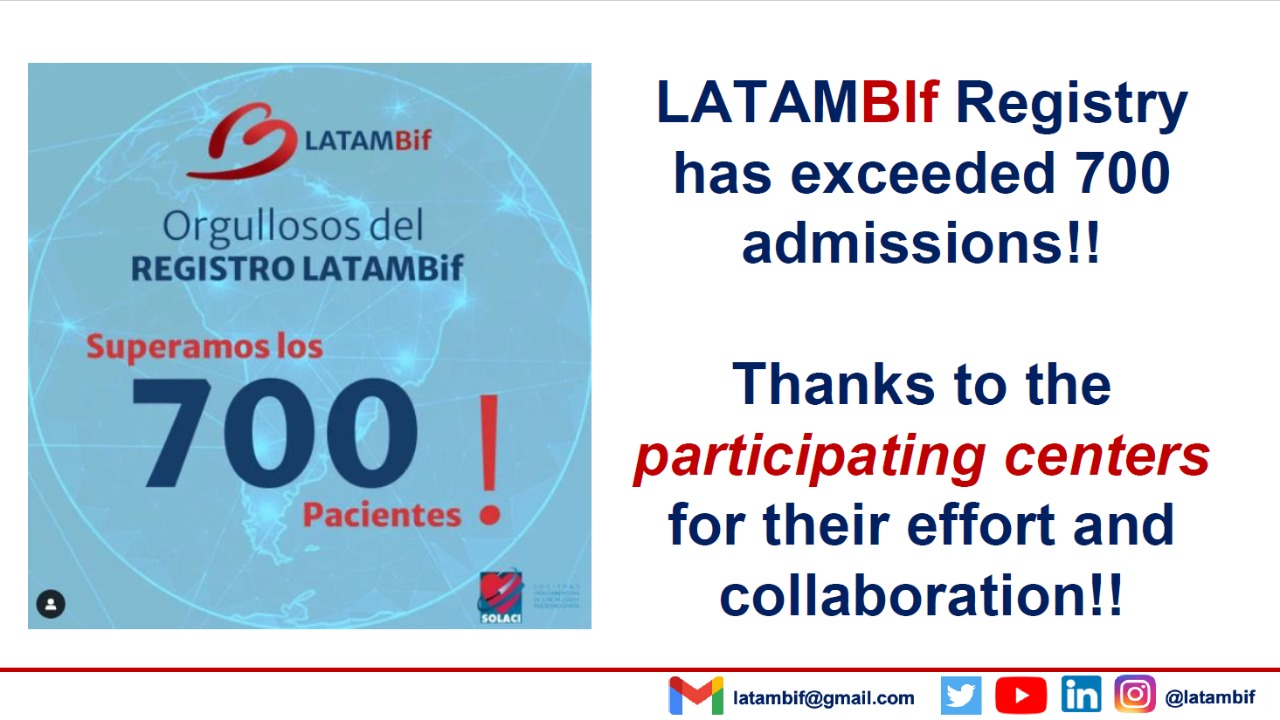
Learn about the Latin American Registry of the Percutaneous Intervention of Coronary Bifurcations January 2022 report. The registry has already enrolled over 700 patients, which makes us most proud. 

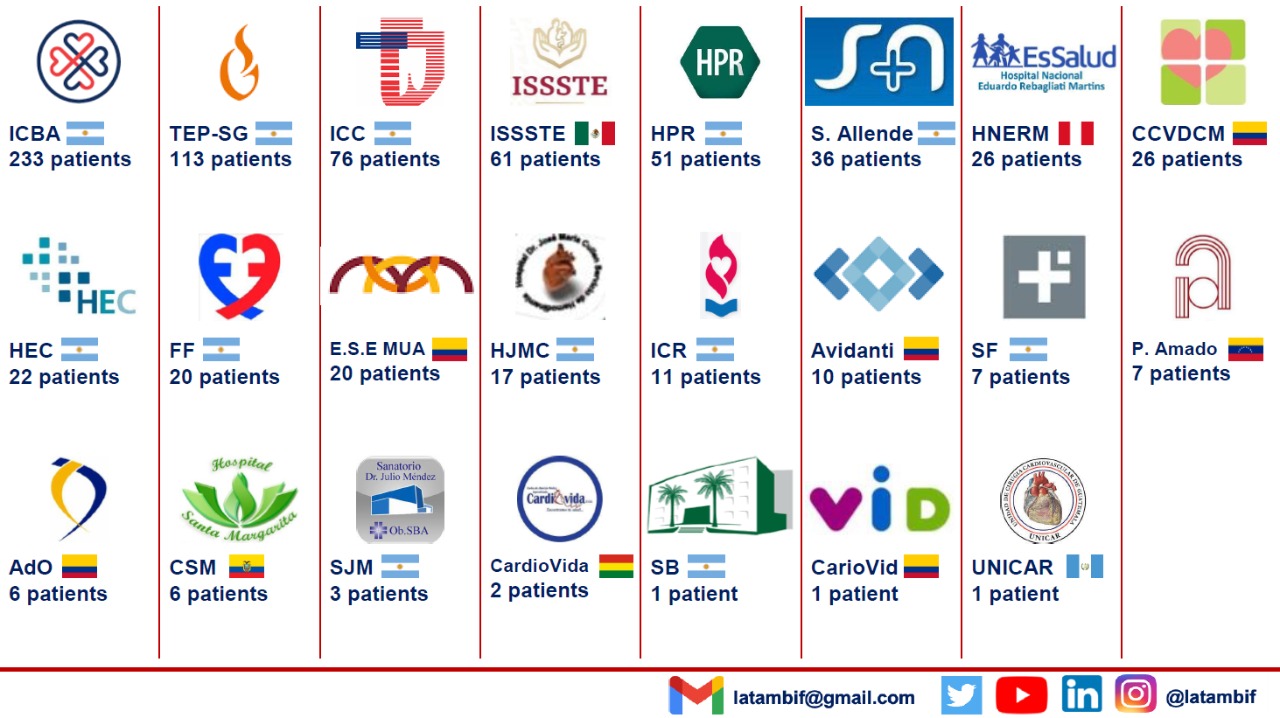
More than 23 centers from Argentina, Mexico, Peru, Colombia, Ecuador, Bolivia, and Guatemala have joined the registry.

For those who still haven’t heard of it, LATAM Bif is a prospective multicenter registry created to assess the reality of coronary bifurcations percutaneous treatment, in order to identify the needs and set the best strategies to advance this technique in the daily practice. 

Learn more here
Monthly-report-Enero2022

¿Cómo participar en el Registro LATAM Bif?

Escriba a latambif@gmail.com. Allí le enviarán toda la información y documentación necesaria para incorporarse al Registro LATAMBif coordinado por SOLACI Research.

¿Por qué participar en el Registro LATAM Bif?

  1. Posibilidad de contar con una base de datos propia dedicada a bifurcaciones coronarias, con variables unificadas para todos los centros de latinoamérica.
  2. Cada centro será el dueño de su data y podrá analizar sus resultados en tiempo real.
  3. Posibilidad de interactuar con centros de la región interesados en investigar y generar publicaciones.
  4. Posibilidad de difundir en eventos locales e internacionales los resultados del Registro LATAM Bif.
  5. En caso de necesitar asesoría para desarrollar proyectos de investigación y/o análisis estadísticos, contará con la asistencia del departamento SOLACI Research.
  6. El departamento SOLACI Research le brindará auditoría semanal y continua para que todos los datos, tanto iniciales como en el seguimiento anual (obligatorios) estén cargados correctamente.

Escriba ahora a latambif@gmail.com y comience a participar del registro LATAM Bif.


Subscribe to our weekly newsletter

Get the latest scientific articles on interventional cardiology

More articles by this author

Watch Again: Pulmonary Embolism in 2025 — Risk Stratification and Novel Therapeutic Approaches

Our webinar “Pulmonary Embolism in 2025: Risk Stratification and Novel Therapeutic Approaches” is now available to watch. The session took place on November 25,...

Watch Again: SELUTION – Sirolimus-Eluting Balloon for De Novo Coronary Lesions – New Evidence and Clinical Perspectives

Our webinar “SELUTION: Sirolimus-Eluting Balloon for De Novo Coronary Lesions – New Evidence and Clinical Perspectives”, held on November 19, 2025 via Zoom with...

25/11 – SOLACI Webinar: Pulmonary Embolism in 2025 – Risk Stratification and Novel Therapeutic Approaches

The Latin American Society of Interventional Cardiology invites you to participate in a new virtual scientific event titled “Pulmonary Embolism (PE) in 2025: Risk...

SELUTION Sirolimus-Eluting Balloon For De Novo Coronary Lesions – New Evidence and Clinical Perspectives

The Latin American Society of Interventional Cardiology invites you to join a new virtual scientific event focused on the latest evidence and clinical perspectives...

LEAVE A REPLY

Please enter your comment!
Please enter your name here

Related Articles

SOLACI Sessionsspot_img

Recent Articles

Coronary Perforations and Use of Covered Stents: Safe and Effective Long-Term Strategy?

Coronary perforations remain one of the most serious complications of percutaneous coronary intervention (PCI), especially in cases of Ellis ruptures type III. In these...

Is it really necessary to monitor all patients after TAVR?

Conduction disorders (CD) after transcatheter aortic valve replacement (TAVR) are a frequent complication and may lead to the need for permanent pacemaker implantation (PPI)....

Is it really necessary to monitor all patients after TAVR?

Conduction disorders (CD) after transcatheter aortic valve replacement (TAVR) are a frequent complication and may lead to the need for permanent pacemaker implantation (PPI)....