






The expansion of transcatheter aortic valve implantation (TAVI) toward younger and lower-risk patients has increased the relevance of post-procedural coronary access. In this context, supra-annular self-expanding valves, due to their greater height and stent design, may hinder coronary ostium cannulation, making the optimization of commissural alignment and the understanding of anatomical determinants of access essential. The EPROMPT-CA study aimed to evaluate the feasibility of immediate coronary access after TAVI with Evolut FX and Evolut FX+ valves, as well as to identify tomographic predictors associated with successful selective coronary access.
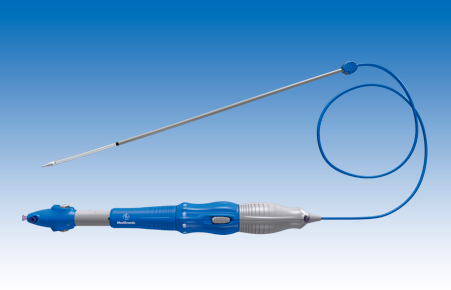
This was a prospective, single-center study conducted at MedStar Washington Hospital Center (United States), including 143 consecutive patients with severe aortic stenosis who underwent transfemoral TAVI between September 2022 and April 2025. Of the total cohort, 103 patients received an Evolut FX valve and 40 received an Evolut FX+ valve. The mean age was 78 ± 8 years, and 53.8% were male. Patients across all surgical risk profiles were included, including 6.3% with Sievers type I bicuspid aortic valves. In all cases, immediate coronary access was attempted after valve implantation using diagnostic catheters only, and cardiac computed tomography was performed between 30 and 60 days in 76 patients (53%).
The primary endpoint was successful coronary access, defined as the ability to adequately opacify the coronary artery through either selective cannulation (catheter directly engaged in the ostium) or non-selective cannulation (catheter positioned near the ostium with sufficient opacification). Secondary endpoints included cannulation time, contrast volume used, number of catheters employed, and identification of anatomical predictors derived from computed tomography associated with selective coronary access.
Study results: high feasibility of coronary access after TAVI with Evolut FX and FX+ valves
Coronary access was successful in 95.1% of attempts involving the left coronary artery (LCA) and in 83% involving the right coronary artery (RCA). Among these successful accesses, selective cannulation was achieved in 46.2% of cases for the LCA and in 52.6% for the RCA. No significant differences were observed in the overall rate of successful coronary access between Evolut FX and FX+ valves; however, the FX+ valve was associated with greater efficiency in accessing the LCA, with lower contrast volume (5.45 ± 4.48 mL vs. 8.92 ± 4.93 mL; p < 0.001) and fewer catheters required (1.13 ± 0.33 vs. 1.32 ± 0.58; p = 0.014). Mean cannulation time was low for both arteries, with average values close to 2.5 minutes.
Univariate analysis showed that the anatomical determinants of selective coronary access differed between the two arteries. For the LCA, greater ostial height and a larger distance between the valve skirt and the ostium were associated with a higher probability of selective cannulation, whereas greater ostial eccentricity was associated with lower success (OR 0.45 per 10°, p = 0.03). For the RCA, selective access was mainly determined by larger dimensions of the aortic root and the valve, including a greater native valve area and the use of 34 mm valves. Commissural and coronary alignment did not show a positive association with selective coronary access for either artery.
Conclusions: efficiency of post-TAVI coronary access and limited role of commissural alignment with new-generation Evolut valves
In conclusion, the EPROMPT-CA study demonstrates that immediate coronary access after TAVI with Evolut FX and FX+ valves is feasible in most patients, with higher success rates for the left coronary artery than for the right. Although the Evolut FX+ valve was not associated with a significant increase in overall coronary access success, it allowed more efficient cannulation of the left coronary artery, with reduced contrast use and fewer catheter exchanges. Commissural alignment, while technically desirable, was not independently associated with selective coronary access.
Original Title: Coronary Access after TAVR with the 4th and 5th-Generation Self-Expanding Evolut Valves: The EPROMPT-CA Study.
Reference: Lior Lupu, MD, MBA; Toby Rogers, MD, PhD; Waiel Abusnina, MD; Dan Haberman, MD; et al. International Journal of Cardiology, 2025.
Subscribe to our weekly newsletter
Get the latest scientific articles on interventional cardiology


 hacia pacientes más jóvenes y de menor riesgo ha incrementado la relevancia del acceso coronario posprocedimiento.)