TCT 2020 | The Myth of Biodegradable Polymers Seems to Have Come to an End

This is the largest and newest study to compare drug eluting stents with durable polymers vs. biodegradable or bioresorbable polymers. As is usually the case, the theory clashes with reality. 
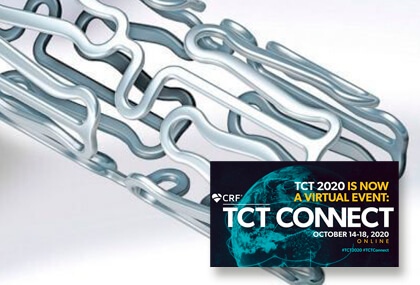
The study has shown that the polymer does not seem to play an important role in the performance of drug eluting stents, or at least this is what happens in the acute coronary syndrome population. 

The durable polymer not only resulted non-inferior to the biodegradable polymer, but it also showed some technical advantages. 

Many doctors and companies believed in the theory behind biodegradable polymers, but this theoretical benefit was never confirmed by clinical studies.

For the new DES generations, strut thickness and design play a far more important role than the drug or the polymer. 


Read also: TCT 2020 | New Information about Pre and Post PCI FFR Value.


The study included 3400 patients undergoing acute coronary syndrome. This population was chosen especially, since they are known for being at higher risk of thrombosis and healing slower. This is where biodegradable polymer DES should have proven more beneficial.  

1730 patients received durable polymer DES (Promus, Resolute Onyx and Xience) and 1700 received biodegradable polymer DES (Ultimaster, Orsiro and Biomatrix Flex).

The combined end point of death, MI, stent thrombosis and revascularization at one year resulted similar between both technologies. 

Original Title: Durable polymer versus biodegradable polymer drug-eluting stents after percutaneous coronary intervention in patients with acute coronary syndrome. The HOST-Reduce-Polytech-ACS trial.

Reference: presentado por Kim HS en el congreso TCT 2020 virtual.


Subscribe to our weekly newsletter

Get the latest scientific articles on interventional cardiology

More articles by this author

Coronary Perforations and Use of Covered Stents: Safe and Effective Long-Term Strategy?

Coronary perforations remain one of the most serious complications of percutaneous coronary intervention (PCI), especially in cases of Ellis ruptures type III. In these...

Left Main Coronary Artery Disease: Intravascular Imaging-Guided PCI vs. Coronary Artery Bypass Grafting

Multiple randomized clinical trials have demonstrated superior outcomes with coronary artery bypass grafting (CABG) vs. percutaneous coronary intervention (PCI) in patients with left main...

AHA 2025 | OCEAN Study: Anticoagulation vs. Antiplatelet Therapy After Successful Atrial Fibrillation Ablation

After a successful atrial fibrillation (AF) ablation, the need to maintain long-term anticoagulation (AC) remains uncertain, especially considering the very low residual embolic risk...

AHA 2025 | VESALIUS-CV: Evolocumab in High-Cardiovascular-Risk Patients Without Prior MI or Stroke

LDL cholesterol is a well-established factor for cardiovascular disease. Therapy with PCSK9 inhibitors, including evolocumab, has been shown to reduce the risk of cardiovascular...

LEAVE A REPLY

Please enter your comment!
Please enter your name here

Related Articles

SOLACI Sessionsspot_img

Recent Articles

Coronary Perforations and Use of Covered Stents: Safe and Effective Long-Term Strategy?

Coronary perforations remain one of the most serious complications of percutaneous coronary intervention (PCI), especially in cases of Ellis ruptures type III. In these...

Is it really necessary to monitor all patients after TAVR?

Conduction disorders (CD) after transcatheter aortic valve replacement (TAVR) are a frequent complication and may lead to the need for permanent pacemaker implantation (PPI)....

Is it really necessary to monitor all patients after TAVR?

Conduction disorders (CD) after transcatheter aortic valve replacement (TAVR) are a frequent complication and may lead to the need for permanent pacemaker implantation (PPI)....