



Modelos europeos de telemedicina, como el servicio finlandés Medilux, permiten realizar consultas médicas online mediante un cuestionario clínico, sin acudir a una consulta presencial.

Drug-Coated Balloons (DCB): Sirolimus vs. Paclitaxel in De Novo Lesions in Small Vessels

The use of drug-coated balloons (DCB) offers the advantage of avoiding permanent stent implants, thus reducing the incidence of in-stent restenosis (ISR), neoatherosclerosis, and late in-stent thrombosis. Additionally, the use of DCB reduces the duration of dual antiplatelet therapy.
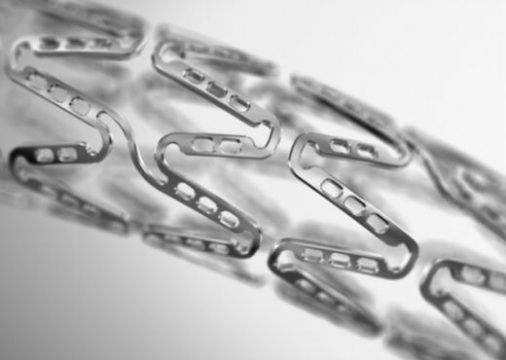
Balones cubiertos de fármacos (DCB): Sirolimus vs Paclitaxel en lesiones de novo en vasos pequeños

Current evidence supports the use of DCB for ISR treatment (Class I) compared with drug-eluting stents (DES), and there is also evidence in favor of its application in small vessel disease (SVD). The most studied DCBs are paclitaxel-coated balloons (PCB), and there is no data on sirolimus-coated balloons (SCB).

The aim of this prospective, randomized, multicenter non-inferiority study was to compare quantitative coronary angiography at 6 months in the treatment of SVD with PCB versus SCB. The primary endpoint (PEP) was minimal lumen diameter (MLD) within the DCB-treated area.

Researchers analyzed a total of 109 patients with 117 treated lesions, with 61 lesions randomized to SCB and 56 lesions to PCB. The mean age was 70 years in the SCB group and 67 years in the PCB group. Most patients were men. The most frequently treated arteries were the diagonal branch (23%) and the marginal branch (23%).

Read also: Cilostazol in Diabetic Patients with Endovascular Peripheral Revascularization: One Step Beyond Symptom Improvement.

Regarding the results, the mean MLD was 0.25 ± 0.40 mm with SCB versus 0.48 ± 0.37 mm with PCB, failing to meet the non-inferiority criterion (P non-inferiority = 0.173). The restenosis rate was 32.8% for the SCB group and 12.5% for the PCB group (odds ratio [OR]: 3.41; 95% confidence interval [CI]: 1.36-9.44; P = 0.012).

Conclusion

This randomized study has demonstrated that SCB does not achieve non-inferiority compared with PCB in angiographic outcomes at 6 months. Long-term studies with a larger number of patients are needed to increase statistical power and determine the efficacy of SCB compared with PCB in de novo lesions.

Dr. Andrés Rodríguez.
Member of the Editorial Board of SOLACI.org.

Original Title: A Prospective Randomized Trial Comparing Sirolimus-Coated Balloon With Paclitaxel-Coated Balloon in De Novo Small Vessels.

Reference: Kai Ninomiya, MD et al J Am Coll Cardiol Intv 2023.


Subscribe to our weekly newsletter

Get the latest scientific articles on interventional cardiology

More articles by this author

KISS Trial: provisional stenting in non-left main coronary bifurcations — is less more?

Coronary bifurcation angioplasty remains one of the most frequent and technically challenging scenarios in interventional cardiology. Between 15% and 20% of coronary procedures involve...

Complex radial access: a four-step protocol to overcome loops and tortuosity

Radial access is currently the preferred strategy for coronary angiography and percutaneous coronary interventions due to its lower rates of bleeding and vascular complications...

SCAI 2026 | SELUTION DeNovo subanalysis: Use of sirolimus-eluting balloon in acute coronary syndrome

Percutaneous coronary intervention (PCI) with drug-eluting stent (DES) implantation remains the predominant strategy in the setting of acute coronary syndrome (ACS). However, in recent...

Calcified Nodules and Their Treatment with Rotational Atherectomy

Calcified nodules (CN) represent one of the most complex phenotypes to treat in coronary intervention. They are mainly associated with the need for repeat...

LEAVE A REPLY

Please enter your comment!
Please enter your name here

Related Articles

SOLACI Sessionsspot_img

Recent Articles

KISS Trial: provisional stenting in non-left main coronary bifurcations — is less more?

Coronary bifurcation angioplasty remains one of the most frequent and technically challenging scenarios in interventional cardiology. Between 15% and 20% of coronary procedures involve...

Complex radial access: a four-step protocol to overcome loops and tortuosity

Radial access is currently the preferred strategy for coronary angiography and percutaneous coronary interventions due to its lower rates of bleeding and vascular complications...

Percutaneous closure of paravalvular leaks in high-risk patients: clinical outcomes and the impact of residual leak

Paravalvular leak (PVL) is a relatively frequent complication following valve replacement (overall incidence 5–18%; 2–10% in the aortic position and 7–17% in the mitral...

