






The indications for transcatheter aortic valve implantation (TAVI) have rapidly expanded to include intermediate- and low-risk patients, extending its use to younger individuals with a longer life expectancy. While this evolution has increased the number of procedures performed, it has also raised concerns regarding the long-term durability of transcatheter heart valves (THVs), which are all bioprosthetic and therefore susceptible to structural valve deterioration.
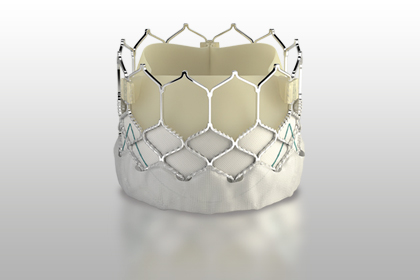
As a result, the need for repeat interventions after TAVI is expected to increase substantially. Surgical explantation of a dysfunctional THV remains an option; however, it is technically challenging and associated with higher morbidity and mortality. In this setting, redo-TAVI—the implantation of a second THV within a previously implanted valve—offers a less invasive alternative and is emerging as the preferred therapeutic strategy.
Although reported procedural success rates exceed 80%, these findings are based on a limited number of retrospective studies. Furthermore, the optimal strategies for redo-TAVI have not yet been fully established. Valve-specific design characteristics (e.g., frame height, skirt length, and leaflet position) add considerable complexity to the procedure.
Additional variability arises from differences between first-generation and contemporary THV platforms, as well as from the underlying mechanisms of valve failure (stenosis versus regurgitation). In many cases, decisions regarding valve selection, implantation depth, and coronary protection continue to rely on empirical judgment due to the lack of standardized guidelines.
Read also: DAPT ≤30 Days After Drug-Coated Balloon Coronary Angioplasty.
The ReTAVI Registry is the first prospective, international, multicenter study designed to evaluate the 30-day safety and efficacy of redo-TAVI (implantation of a second valve within a failed transcatheter prosthesis) using exclusively the balloon-expandable SAPIEN 3 platform. As TAVI indications continue to expand to younger and lower-risk patients, the growing need for reinterventions due to bioprosthetic valve deterioration has become an increasingly important clinical concern.
A total of 143 patients from 59 centers across Europe, Canada, and Israel were enrolled. The median age was 84 years, 40.6% were women, and the median surgical risk (STS score) was 7.0%. Failed valves were predominantly CoreValve/Evolut (53.1%), SAPIEN 3 (30.1%), and ACURATE (14.0%). Mechanisms of valve failure included isolated regurgitation (48.6%), stenosis (35.2%), and mixed valve disease (16.2%).
The procedure was performed predominantly via transfemoral access (98.6%). Procedural success was achieved in 95.1% of cases. Due to anatomical complexity, coronary protection was used in 26.2% of patients, with 17.0% requiring chimney stent implantation.
At 30 days, redo-TAVI demonstrated a favorable safety profile, with an all-cause mortality rate of 3.5% and a stroke rate of 0.7%. In addition, 6.3% of patients required permanent pacemaker implantation. The proportion of patients in NYHA functional class I/II increased from 37.1% at baseline to 89.1% at 30 days (p<0.001).
From a hemodynamic standpoint, significant and consistent improvements were observed across all valve subgroups. The mean transvalvular gradient decreased from 26.0 mmHg to 14.0 mmHg, with the greatest reduction seen in patients with stenotic valve failure (Δ = −29.0 mmHg). Likewise, the median valve area increased from 1.1 cm² to 1.6 cm². No cases of moderate or severe intraprosthetic regurgitation were observed during the 30-day follow-up.
Conclusion: H3: Redo-TAVI with SAPIEN 3: A Safe and Effective Strategy for Repeat Valve Intervention
Redo-TAVI with SAPIEN 3 represents a safe and effective treatment option for a wide range of failed transcatheter heart valves. Procedural safety relies on standardized preprocedural planning using multidetector computed tomography (MDCT), with careful assessment of the risk of coronary obstruction, particularly in valves with taller frame designs. These findings support the feasibility of a transcatheter reintervention strategy, which is expected to play a pivotal role in the long-term management of patients with aortic stenosis.
Original Title: Early outcomes of redo-TAVI with the SAPIEN 3 platform: the prospective, multicentre ReTAVI registry.
Reference: EuroIntervention 2026;22:e629-e641 • Giuseppe Tarantini et al.



