
The durability of transcatheter bioprosthetic valves used in TAVI remains one of the key unanswered questions as indications continue to expand toward patients with longer life expectancy. Although short- and mid-term clinical outcomes have been highly favorable, 10-year follow-up data remain limited, particularly for newer-generation transcatheter valves.
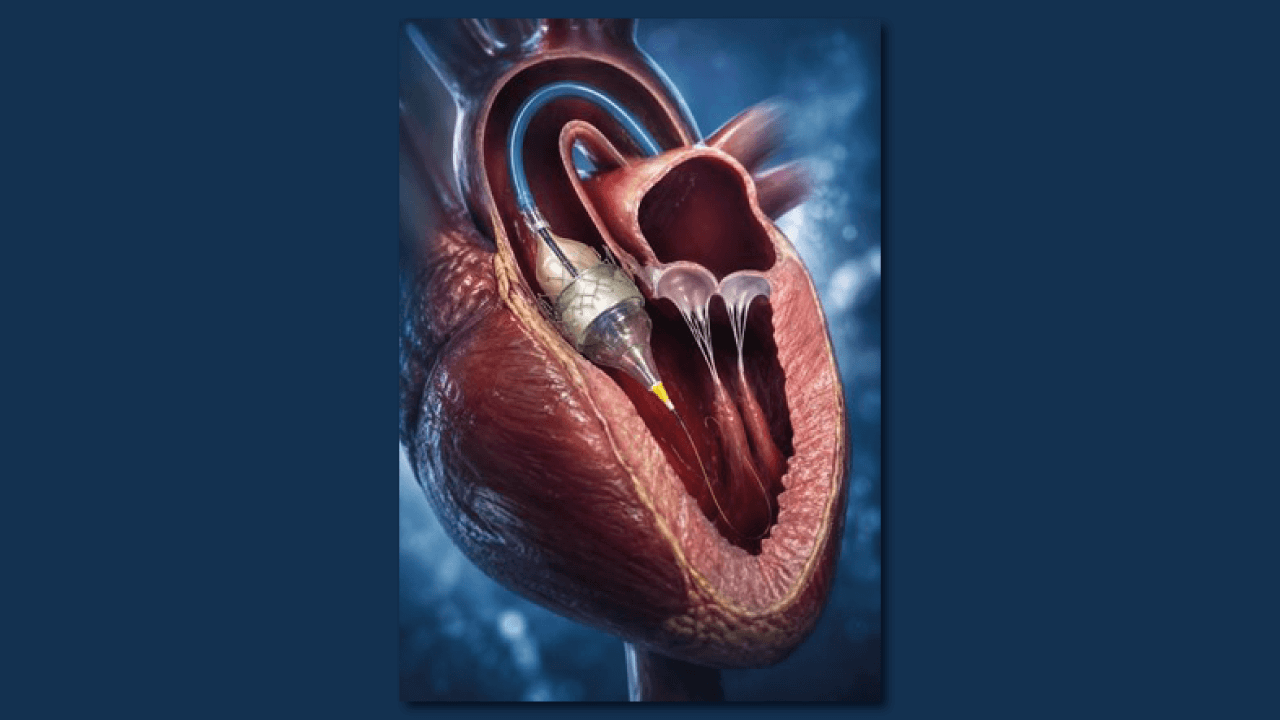
The aim of this study was to compare 10-year clinical and echocardiographic outcomes in patients with symptomatic severe aortic stenosis and intermediate surgical risk treated with TAVI using the balloon-expandable SAPIEN 3 valve or with surgical aortic valve replacement.
Patients enrolled in the PARTNER 2 SAPIEN 3 Intermediate Risk registry were analyzed and compared with those who underwent surgery in the PARTNER 2A trial. After propensity score matching, 783 patients were included in each group, with a mean age of 82 years, 43% women, and a mean STS score of 5.5%. The evaluated endpoints included all-cause mortality, aortic valve reintervention, and echocardiographic parameters.
At 10 years, all-cause mortality was similar between the two strategies, reaching 83.4% in the TAVI group and 82.3% in the surgical group (HR: 1.01; 95% CI: 0.91–1.13; p=0.82). The most relevant finding regarding durability was the very low incidence of valve reintervention, with cumulative rates of 2.0% for TAVI and 1.9% for surgery, without significant differences between the two approaches (p=0.47).
Read also: Aneurysm Sac Regression Predicts Better Clinical Outcomes After EVAR?
The echocardiographic evaluation available at 10 years demonstrated adequate hemodynamic preservation of the prosthetic valves. Mean gradients were 11.0 mmHg in the TAVI group and 12.6 mmHg in the surgical group, indicating comparable functional performance between both therapeutic options.
Conclusions: Ten-Year Follow-Up Confirms the Durability of TAVI with SAPIEN 3
The 10-year follow-up of the PARTNER program demonstrates that TAVI with the SAPIEN 3 valve provides excellent long-term clinical and structural stability. The similarity observed compared with surgery in terms of mortality and valve reintervention, together with the preservation of transprosthetic gradients, provides robust evidence supporting the durability of transcatheter devices in patients with severe aortic stenosis and intermediate surgical risk.
Original Title: 10-Year Outcomes of SAPIEN 3 Transcatheter Aortic Valve Replacement or Surgery in Intermediate-Risk Patients.
Reference: Nazif, T, Simonato, M, Makkar, R. et al. 10-Year Outcomes of SAPIEN 3 Transcatheter Aortic Valve Replacement or Surgery in Intermediate-Risk Patients. JACC. 2026 Jun, 87 (23) 3296–3308. https://doi.org/10.1016/j.jacc.2026.03.170.