






Invasive coronary angiography (ICA) has become the gold standard for the assessment of patients with chronic coronary syndrome (CCS) for obstructive coronary artery disease. However, its ability to detect this condition is limited and it does not detect non-obstructive myocardial ischemia, which can be overlooked.

To address these limitations, a prospective, observational, multicenter study was conducted to assess the diagnostic performance of advanced invasive diagnosis (AID), which included measuring coronary flow reserve (CFR) and microvascular resistance, and the acetylcholine test, to identify both obstructive and non-obstructive causes of myocardial ischemia in patients with CCS.
The primary endpoint (PEP) of the study was to determine the proportion of patients whose cause of myocardial ischemia was identified using ICA alone compared with ICA + AID.
As a secondary endpoint (SEP), the study assessed the proportion of patients in whom ischemia and non-obstructive coronary artery disease (INOCA) was identified, and the proportion of cases in which AID facilitated the modification of the initial therapeutic plan.
The study included 317 patients; most of them were men with an average age of 66 years. Most experienced angina symptoms and around 60% had positive non-invasive ischemia tests. There were complications in a low percentage of cases, mainly related to iatrogenic dissection (0.6%) and ventricular arrhythmias (0.3%), with no events of death or myocardial infarction.
Results showed that ICA alone identified the cause of ischemia in only 32% of patients, while AID identified it in 84% of cases, a significant increase in diagnostic performance compared to ICA alone (p <0.001). Additionally, AID identified a 45-% prevalence of INOCA, and only 16% of all patients undergoing ICA showed no abnormalities. AID also resulted in a change in the initial therapeutic plan in nearly 60% of cases.
Conclusion
In conclusion, AID proved to be a safe and effective strategy for the identification of the causes of myocardial ischemia in more than 80% of patients with CCS, leading to changes in the initial therapeutic plan in most cases.
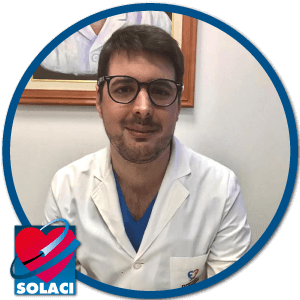
Dr. Andrés Rodríguez.
Member of the Editorial Board of SOLACI.org.
Original Title: Combining angiography and pre-specified intracoronary testing in patients with chronic coronary syndromes: the AID-ANGIO study.
Reference: Adrian Jeronimo et al.
Subscribe to our weekly newsletter
Get the latest scientific articles on interventional cardiology



