






Transcatheter aortic valve replacement (TAVR) has emerged as a therapeutic alternative to treat aortic regurgitation, especially in patients at high surgical risk. In this context, the JenaValve Trilogy (JVTS) is, at present, the only dedicated approved scaffold to treat transfemoral aortic regurgitation.
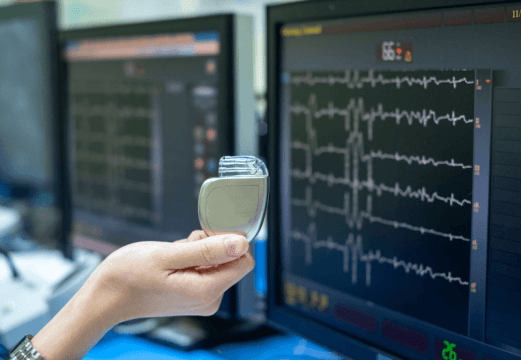
Unlike non-dedicated (off-label) systems, which in some cases have failed during procedure, the JVTS has shown high technical success and low paravalvular regurgitation rates. However, as an adverse event, it saw over 20% (between 19.6% and 24%) higher rates of permanent pacemaker implantation (PPM), which would have concerning negative consequences long term.
Wienemann et al. looked at PPM incidence and predictors in aortic regurgitation patients treated with JenaValve, using a retrospective multicenter European registry, and assessed whether known PPM risk factors in the context of TAVR for aortic stenosis apply to aortic regurgitation patients.
The JenaValve is a self-expanding, supra-annular, low-profile bioprosthetic valve, available in three sizes, ranging from 66 to 99 mm, and features active anchorage to the native valve leaflets. This analysis included 141 patients with no prior PPM, with moderate or greater aortic regurgitation, treated between 2019 and 2024. The primary outcome was need for PPM at discharge.
Mean patient age was 81, and 41% were women. PPM rate was 24.1%. At baseline, there was higher prevalence of right bundle branch block (RBBB) and first degree atrioventricular block (AVB) among patients requiring PPM, with no significant differences in left bundle branch block (LBBB).
Read also: Heterotopic Treatment of the Tricuspid Valve.
At multivariable analysis, both RBBB (OR 13.6; CI95% 2.69–102; p=0.001) and first degree AVB (OR 3.6; CI95% 1.45–9.13; p=0.006) were significantly associated with need for PPM, while anatomical variables such as membranous septum length, aortic annulus perimeter, left ventricular outflow tract morphology (LVOT) and procedural parameters such as implantation depth and oversizing showed no significant link.
As regards other variables, valve hemodynamic performance was excellent and complications rate low. However, PPM patients showed longer hospitalization, with similar survival rates between groups at followup.
Conclusions
In this multicenter analysis of patients with aortic regurgitation treated with the dedicated JVTS, PPM rate resulted high and was mainly associated with prior conduction abnormalities such as RBBB or first degree AVB. No modifiable anatomical or procedural predictors were identified. Thorough baseline electro-physiological assessment might optimize management of this population.
Original Title: Predictors of pacemaker implantation in aortic regurgitation patients treated with a dedicated transcatheter heart valve.
Reference: Wienemann H, Geyer M, Stukenberg M, Waezsada S, Patel KP, Kuhn EW, Rogmann MA, Pinto DS, Conradi L, Bleiziffer S, Baldus S, Baumbach A, Rudolph TK, Adam M. Predictors of pacemaker implantation in aortic regurgitation patients treated with a dedicated transcatheter heart valve. EuroIntervention. 2025 Jun 16;21(12):e681-e691. doi: 10.4244/EIJ-D-24-01117. PMID: 40522304; PMCID: PMC12151165.
Subscribe to our weekly newsletter
Get the latest scientific articles on interventional cardiology



 ha emergido como una alternativa terapéutica para la insuficiencia aórtica (IAo), especialmente en pacientes no candidatos a cirugía cardíaca.)