






The development of bioresorbable magnesium scaffolds (RMS) has generated significant expectation in the field of percutaneous coronary intervention, especially because it could potentially restore natural vasomotion after reabsorption. However, clinical experience with prior devices such as the Absorb or the first generation Magmaris, was marked by mechanical limitations and adverse events, like late thrombosis.
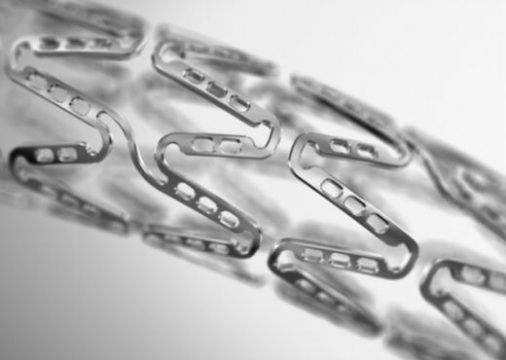
The DREAMS 3G (Freesolve, Biotronik), based on a magnesium alloy with polylactic acid coating and sirolimus elution (with complete magnesium reabsorption after 12 months), represents a relevant evolution, offering a combination of thinner struts and greater structural strength.
The study carried out by Aytekin et al. aimed at the morphologic assessment of coronary plaque by OCT (fibrous, calcific or lipid) and its impact on late lumen loss (LLL) in patients treated with Freesolve.
Primary outcome was scaffold LLL at 6 and 12-month followup.
Of 116 patients enrolled in the BIOMAG-I trial, 84 were assessed by OCT before and after intervention. Patient mean age was 61,2, they were mostly men (79,8%), with high incidence of hypertension and dyslipidemia (75% and 65,6%, respectively); 15,5% of patients were admitted for NSTEMI.
Read also: Long-Term Outcomes of PFO Closure.
Results showed that neither the underlying plaque type, nor the presence of strut malapposition or edge dissection were significantly associated with greater LLL at followup. These findings contrast with outcomes of prior generations of scaffolds, such as the Magmaris or the Absorb, that linked most fibrous or dissected plaques to greater recoil and higher rates of TVF.
These authors propose that, based on the better practices of DREAMS 3G, offering sustained radial strength and complete reabsorption at 12 months, the magnesium will completely degrade within 12 months to amorphous calcium phosphate, leaving no structural, metallic or polymeric remnants.
Read also: Post-TAVR Pacemaker Implantation in Aortic Regurgitation.
Finally, minor edge dissections generated during plaque preparation or stent optimization (present in one third of cases) did not have clinical implications or affect LLL at 12 months, probably because of the rapid magnesium reabsorption and degradation product biocompatibility.
Conclusions
Unlike earlier generation devices, hard to position and therefore potentially leading to stent thrombosis, the 12 month followup of BIOMAG-I showed no thrombosis episodes. When looking at the different characteristics of the underlying plaque, and the presence of minor edge dissections, no differences in LLL were found, which showed the improved performance of RMS.
Reference: Aytekin A, Seguchi M, Xhepa E, Haude M, Wlodarczak A, van der Schaaf RJ, Torzewski J, Garcia-Garcia HM, Waksman R, Joner M. The Impact of Underlying Plaque Characteristics Following the Third-Generation Resorbable Magnesium Scaffold Implantation: An Intravascular OCT Assessment up to 12-Months. Catheter Cardiovasc Interv. 2025 Jun;105(7):1563-1571. doi: 10.1002/ccd.31486. Epub 2025 Mar 16. PMID: 40091374; PMCID: PMC12159389.
Subscribe to our weekly newsletter
Get the latest scientific articles on interventional cardiology


 coronarios reabsorbibles (RMS) ha generado expectativas significativas en el tratamiento percutáneo de la enfermedad coronaria.)