The 15th ProEducar-SOLACI Fellows Course concluded with great success, once again establishing itself as a unique training opportunity for future interventional cardiologists and an invaluable update for established specialists. Throughout an intensive day, the course offered a comprehensive overview of the most relevant techniques and challenges in modern interventional cardiology.
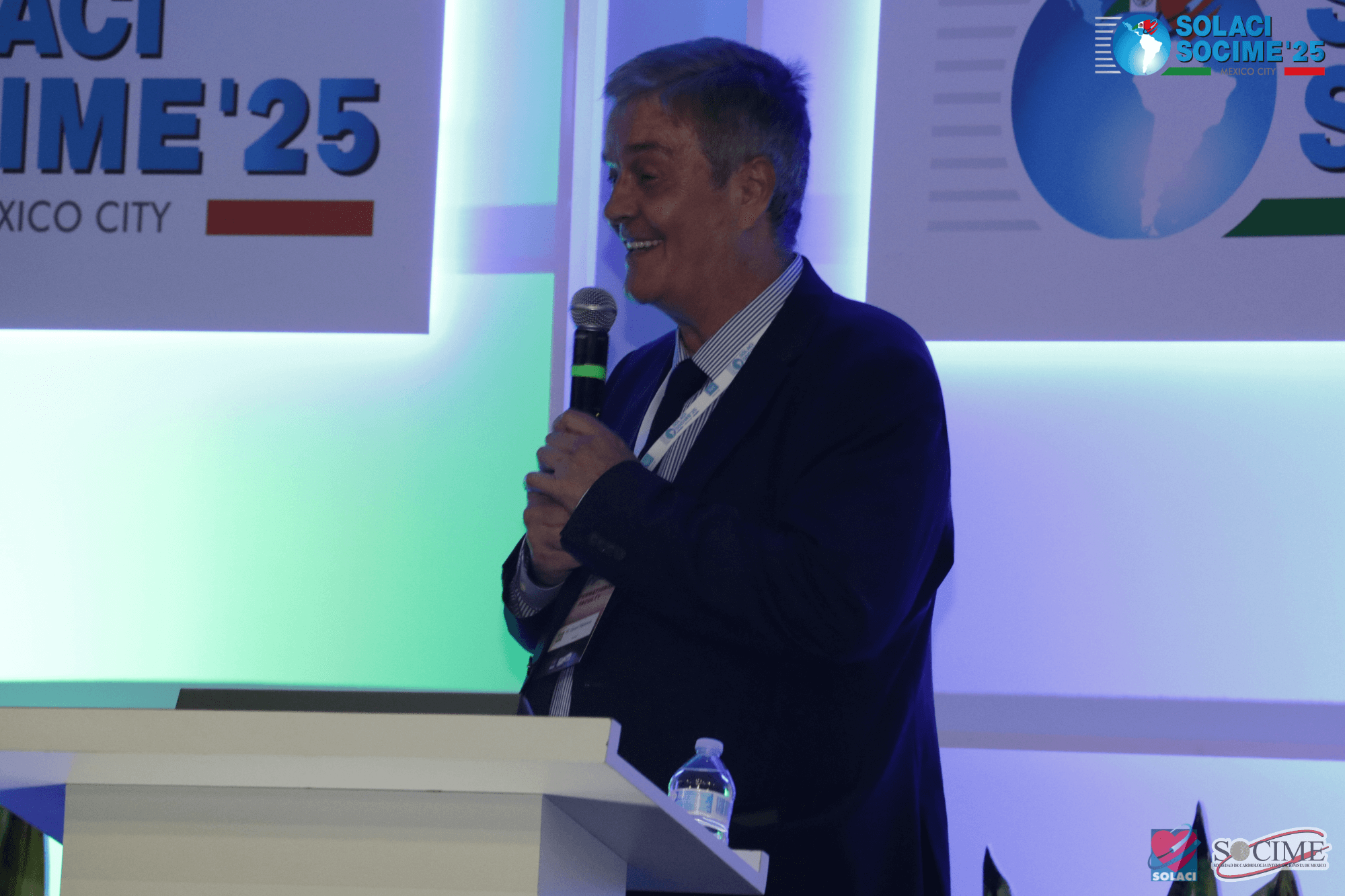
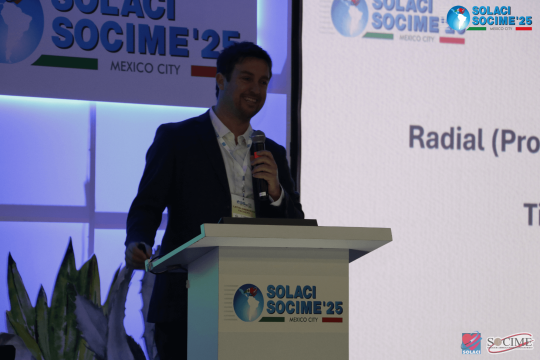
The opening was led by Drs. Leandro Lasave and Jorge Cortés Lawrenz, who launched a program packed with high-level academic content. The first part of the course focused on vascular access and management, featuring detailed presentations on radial, ulnar, and femoral access use, as well as management of large-caliber complications, providing attendees with a practical, step-by-step approach.
Subsequently, the use of intravascular tools applied in the catheterization lab was addressed, including intracoronary physiology and intravascular imaging, highlighting their fundamental role in clinical decision-making.
One of the most enriching moments was the complex PCI (CHIP PCI) case session, where international experts reviewed techniques for bifurcation treatment, left main coronary artery interventions, in-stent restenosis, calcified lesions, and reperfusion therapies in acute myocardial infarction.
The lunch symposium, coordinated by the Fellows’ Corner area, provided a space for exchange where highlighted clinical cases were presented, stimulating debate and academic discussion.
The afternoon was dedicated to structural cardiology. In-depth sessions covered aortic valve interventions, from prosthesis selection to the latest innovations in TAVR for aortic insufficiency. Step-by-step workshops were also conducted on left atrial appendage interventions, tricuspid regurgitation, and percutaneous treatments of pulmonary thromboembolism, reinforcing the practical nature of the course.
Established as a benchmark in training future interventional cardiologists, the ProEducar-SOLACI Fellows Course reaffirmed its commitment to continuing medical education, offering a unique space of high academic, scientific, and practical value. An essential event for fellows’ training and cardiologists’ updating in the region, it will reconvene next year with new content and learning opportunities.
Subscribe to our weekly newsletter
Get the latest scientific articles on interventional cardiology