






Patients with complex coronary artery disease or cardiogenic shock undergoing percutaneous coronary intervention (PCI) may benefit from the hemodynamic support provided by percutaneous ventricular assist devices such as the Impella CP, which unloads the left ventricle and improves hemodynamic tolerance during the procedure.
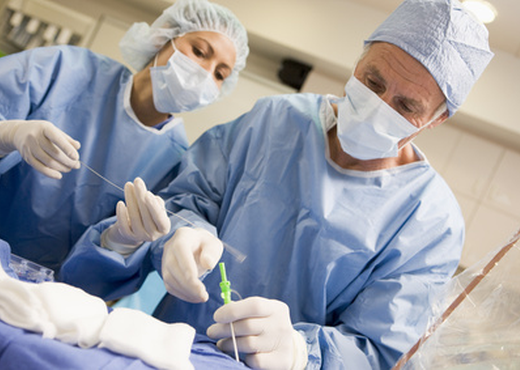
However, the standard femoral implantation technique requires a 14 F introducer sheath, which is associated with a relevant incidence of vascular and bleeding complications (reported around 13%), particularly in patients with small femoral arteries or peripheral vascular disease. In this context, the authors evaluated the feasibility and safety of an alternative femoral implantation technique known as “sheathless” implantation (without introducer sheath), which avoids the use of the sheath with the hypothesis of reducing these vascular complications.
A total of 18 consecutive patients treated at two Italian centers starting in 2024 were prospectively included. The mean age was 66 years and 78% were men. The mean left ventricular ejection fraction was approximately 33%. Six patients (33%) presented with cardiogenic shock (five in the setting of acute coronary syndrome and one due to mitral valve rupture), while the remaining patients underwent elective high-risk PCI for complex coronary artery disease, including three-vessel disease, left main coronary artery involvement, and multiple chronic total occlusions. The minimum diameter of the common femoral artery ranged between 6 and 7 mm.
The technique consisted of ultrasound-guided puncture of the common femoral artery with initial placement of an 8 F introducer sheath, pre-closure using vascular suture devices, progressive dilation of the access tract, and subsequent direct advancement of the Impella CP catheter over a 0.018” guidewire without using the 14 F introducer sheath.
Study Results: Sheathless Femoral Impella Implantation Achieves 100% Procedural Success with No Vascular Complications at 30 Days
The use of Impella via a sheathless femoral technique was successful in 100% of patients. In all cases, PCI was completed with adequate hemodynamic support and device stability. The mean procedural duration was 144 ± 56 minutes, the average contrast volume was 137 ± 57 mL, and the mean radiation exposure (DAP) was 1528 cGy/cm². Percutaneous closure was performed in all patients, in some immediately after completion of PCI and in others after several hours of support, without requiring surgical repair or endovascular treatment of the vascular access.
Regarding the primary study endpoint, no major or minor vascular complications related to femoral access were recorded during hospitalization or at 30-day follow-up, representing a 0% rate in this initial cohort. Hemostasis was achieved in all cases using suture-based vascular closure devices, either alone or combined with plug-type devices.
Conclusion: The Sheathless Femoral Impella Technique May Reduce Vascular Complications in High-Risk PCI and Cardiogenic Shock
The authors conclude that sheathless femoral implantation of the Impella CP is technically feasible and safe in this initial series of patients undergoing high-risk PCI or presenting with cardiogenic shock. This strategy may reduce the risk of vascular complications associated with the use of the 14 F introducer sheath and may be particularly useful in patients with small femoral arteries or a high bleeding risk. However, this is a small observational series, and larger prospective studies are required to confirm these findings and to define the role of this technique in contemporary interventional practice.
Original Title: Sheathless Femoral Impella Implantation: A Safer Hemodynamic Support in High-Risk PCI and Cardiogenic Shock.
Subscribe to our weekly newsletter
Get the latest scientific articles on interventional cardiology


 pueden beneficiarse del soporte hemodinámico proporcionado por dispositivos de asistencia ventricular percutánea como Impella CP, que descarga el ventrículo izquierdo y mejora la tolerancia hemodinámica durante el procedimiento. )