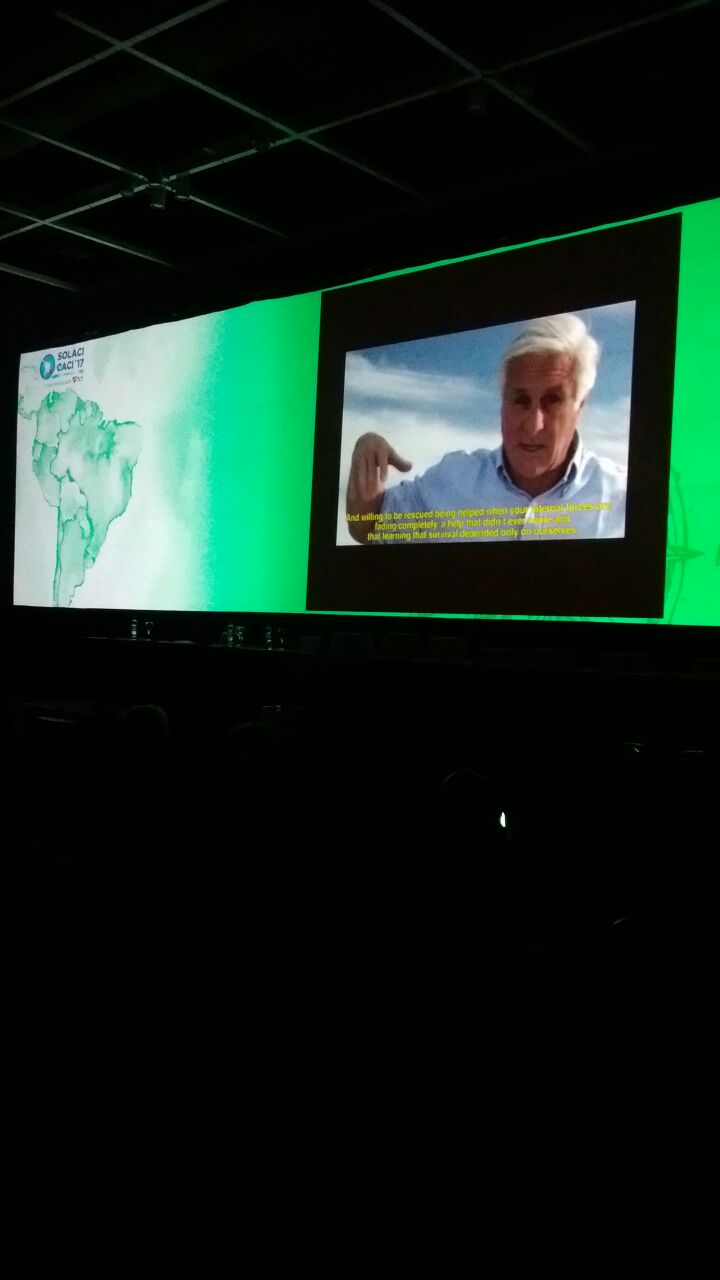
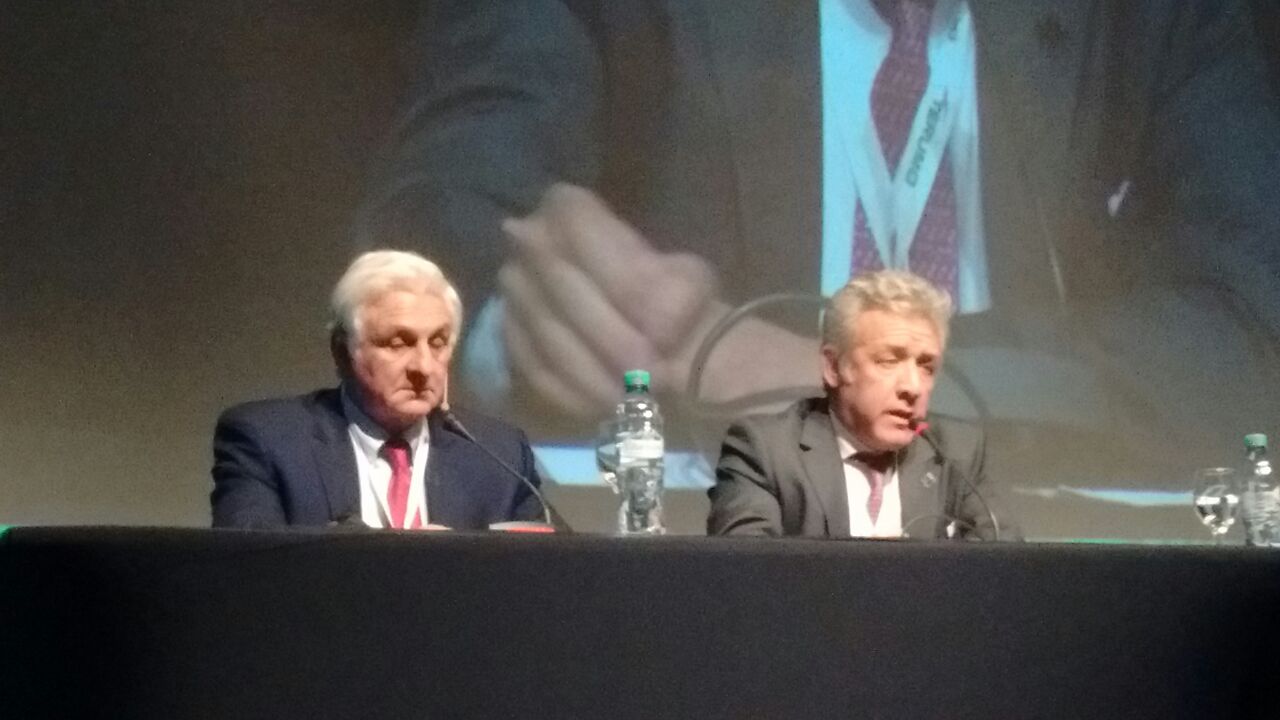
Roberto Canessa at SOLACI-CACI 2017

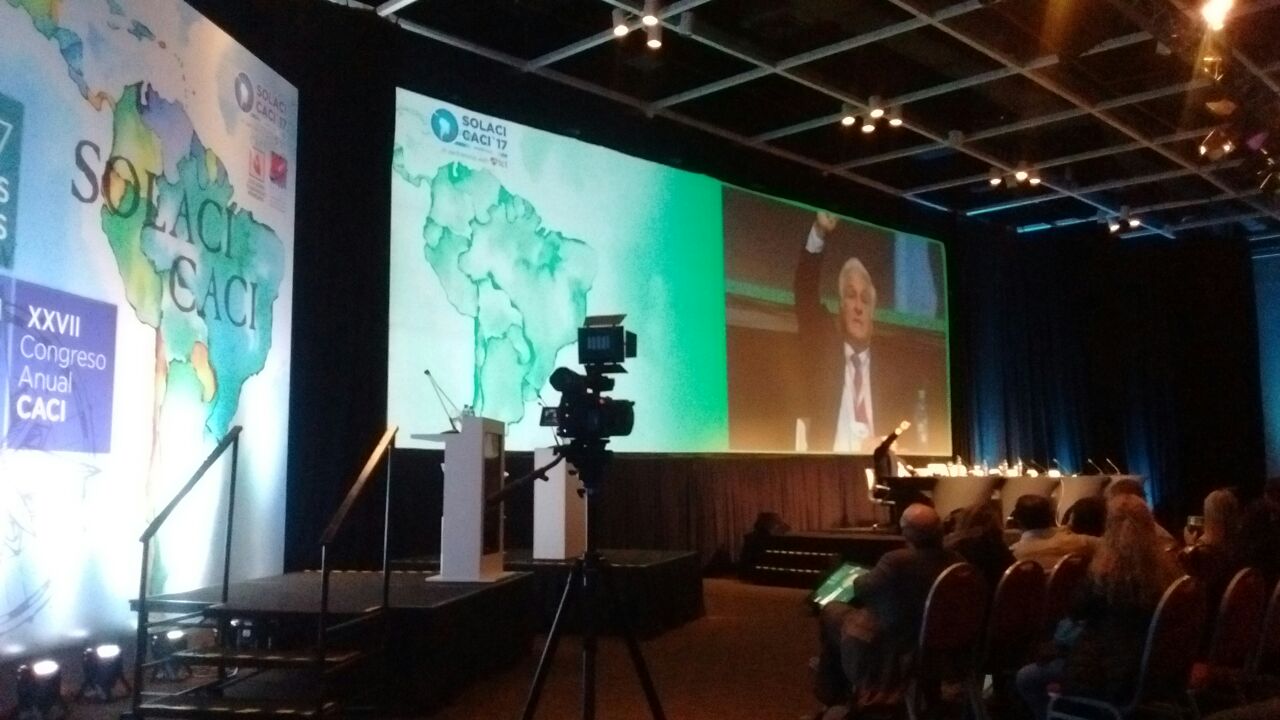
The children cardiologist, known for being one of the 16 survivors of the Andes infamous tragedy, gave an open talk at SOLACI-CACI 2017. The activity, focused on how to deal with adversity in hostile contexts, presented an interesting (and therefore necessary) counterpoint to the scientific and educational tone of the Congress.  
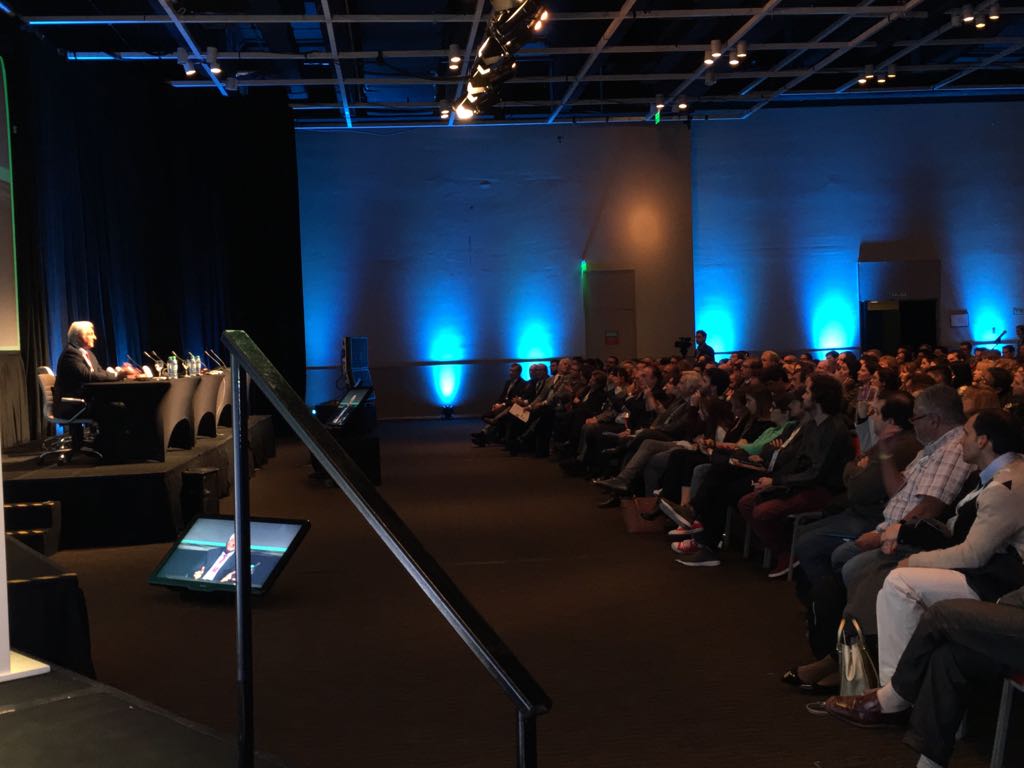
Roberto Canessa en el Congreso SOLACI-CACI 2017

In this regard, it was an ideal meeting to look back into the importance of certain universal human values such as faith and will power to accomplish our goals, perseverance, bravery and commitment to others, and the message “don’t wait for the plane to crash to start enjoying life”.


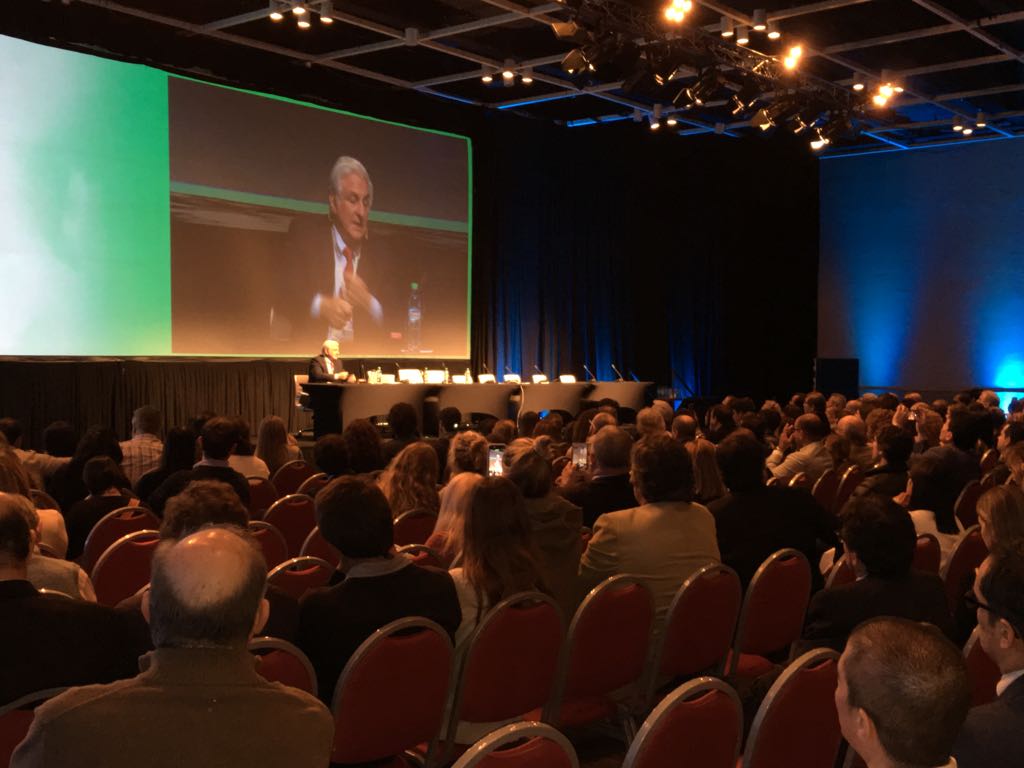
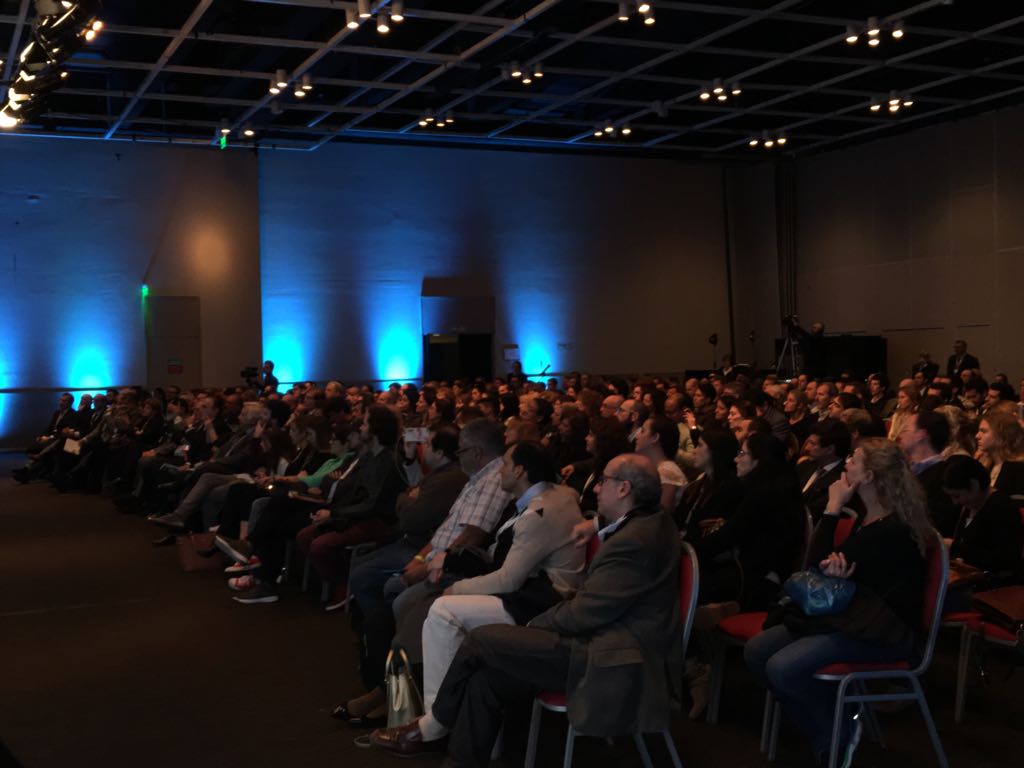
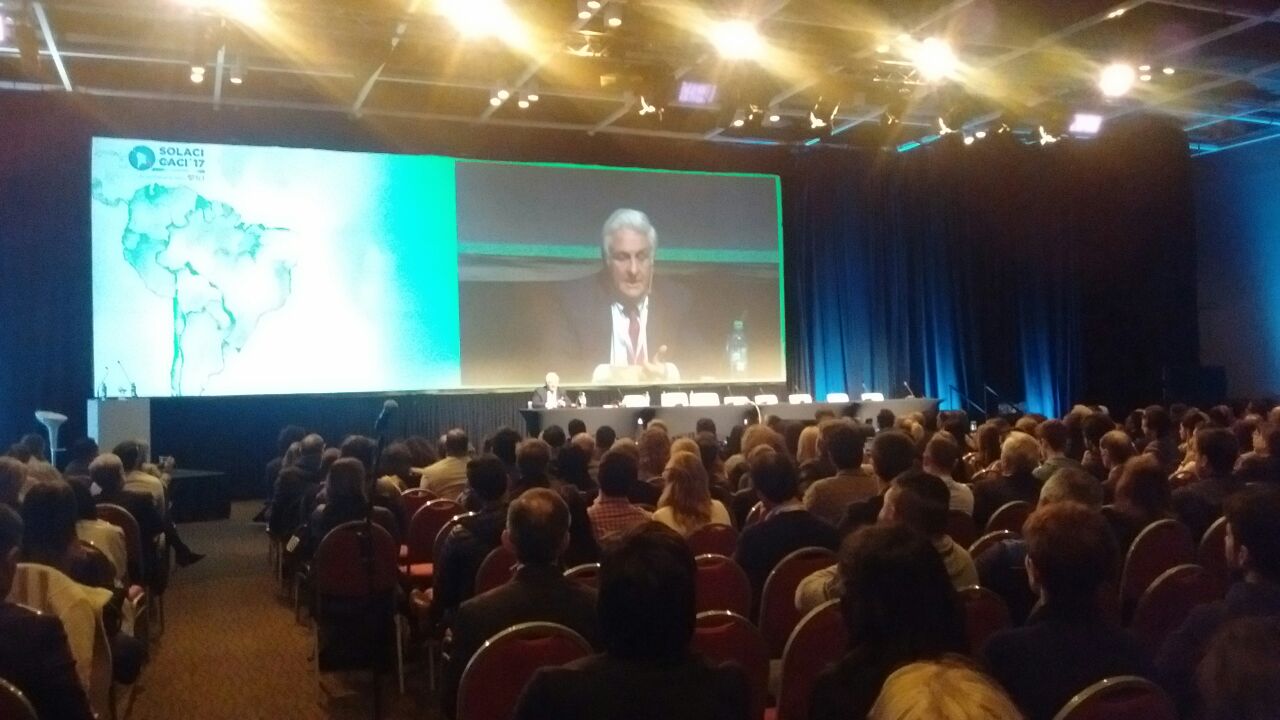
In a room packed with people, Canessa first presented the eager audience with a video to briefly retell what the Andes tragedy had been like (journalistic testimonials, film fragments and slides, etc.). After that, he started his talk emphasizing the need to overcome hardship and to rely on those that surround us in order to survive, because “the less things we have, the richer we become”.
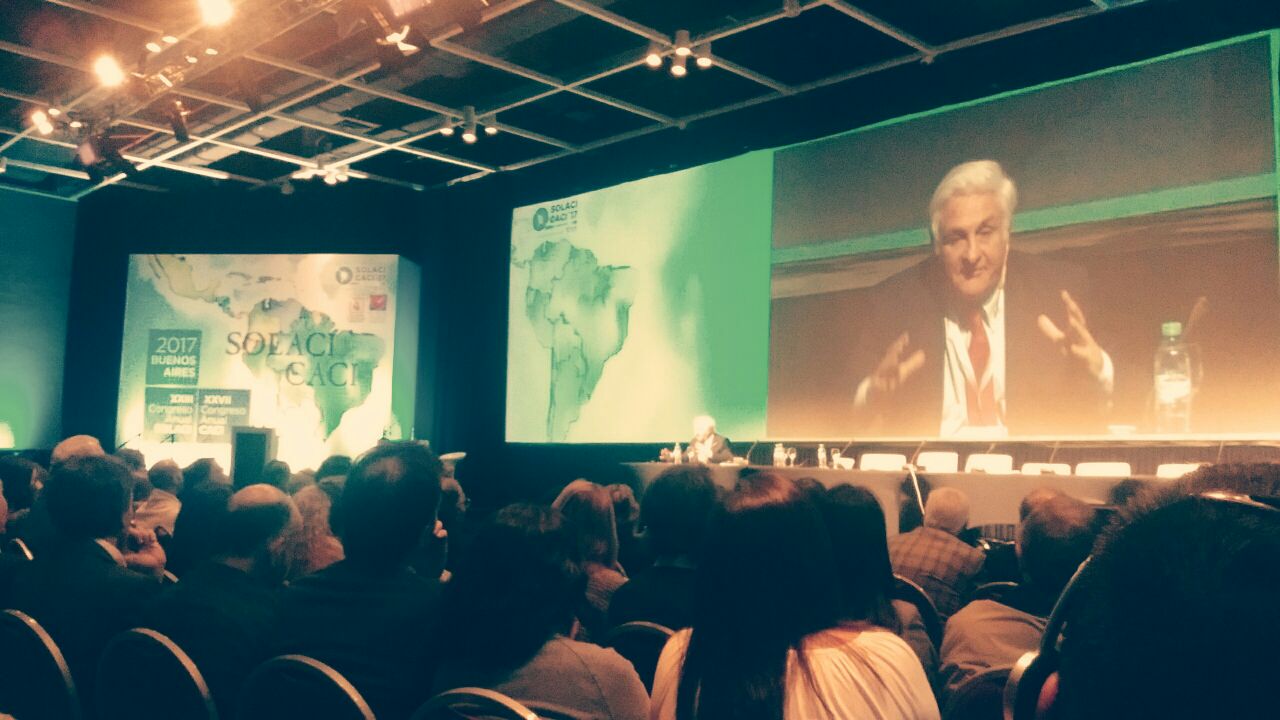
WhatsApp Image 2017-08-03 at 18.54.48

Finally, the audience was able to make questions, quite a heart-rending moment, and people were able to share with the doctor the way his terrible experience had helped them change the course of their lives. More than one broke into tears holding the mic; a person even dared sing a capella, and dedicated his song to a visibly touched Canessa.


Soon we will upload the footage to our website.
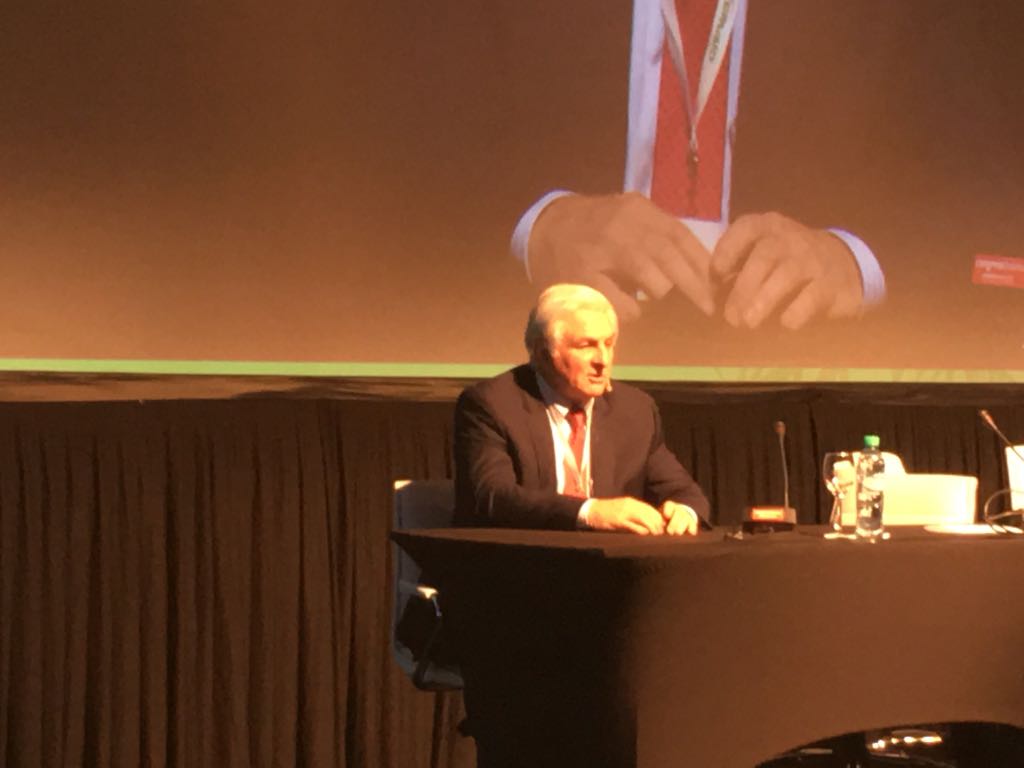
Roberto Canessa en el SOLACI-CACI 2017

WhatsApp Image 2017-08-03 at 18.24.59


WhatsApp Image 2017-08-03 at 18.25.42

WhatsApp Image 2017-08-03 at 18.54.47

WhatsApp Image 2017-08-03 at 18.54.48 (3)

WhatsApp Image 2017-08-03 at 18.54.49

WhatsApp Image 2017-08-03 at 18.54.50 (2)


We are interested in your opinion. Please, leave your comments, thoughts, questions, etc., below. They will be most welcome.

More articles by this author

Vascular Ultrasound in Percutaneous Closure Devices: Subanalysis of the UNIVERSAL-Trial

Analysis of percutaneous closure device placement when choosing an ultrasound-guided vs. a fluoroscopy-guided femoral approach. Transradial access is the access of choice in percutaneous coronary...

Safety of Acetylcholine in the Cath Lab

The concepts of ischemia with non-obstructive coronary artery disease (INOCA) and myocardial infarction with non-obstructive coronary artery disease (MINOCA) have been established, widely spread,...

Coronary Flow Reserve in Patients with Intermediate FFR: Should We Use This Tool to Define When to Perform Coronary Angioplasty?

Current guidelines recommend using fractional flow reserve (FFR) to guide coronary angioplasty. However, intermediate FFR values (0.75-0.80) generate uncertainty about the prognostic value of...

Passive Leg Raise: An Indispensable Maneuver in the Study of Heart Failure with Preserved Ejection Fraction

Heart failure (HF) with preserved ejection fraction (HFpEF) accounts for at least 50% of the HF population, with an increasing prevalence. Its diagnosis is...

LEAVE A REPLY

Please enter your comment!
Please enter your name here

Related Articles

SOLACI Sessionsspot_img

Recent Articles

Morpheus Global Registry: Safety and efficacy of the long tapered BioMime™ Morph stent in complex coronary lesions

Percutaneous coronary intervention in long coronary lesions continues to represent a technical and clinical challenge, in which the use of conventional cylindrical stents may...

TEER plus optimal medical therapy versus medical therapy alone in functional mitral regurgitation

Mitral regurgitation (MR) is a highly prevalent valvular heart disease that, in advanced stages and when left untreated, is associated with reduced quality of...

Hybrid Coronary Revascularization versus Conventional Bypass Surgery in Left Main Coronary Artery Disease

Significant left main coronary artery (LMCA) disease continues to represent a therapeutic challenge, particularly in patients with complex multivessel disease and high SYNTAX scores,...