






Transcatheter aortic valve replacement (TAVR) is often associated with conduction abnormalities, which usually end with permanent pacemaker (PPM) implantation in 10-40% of patients.
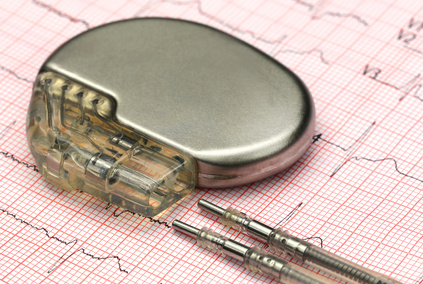
Factors predisposing to PPM after TAVR have been studied in great detail, but their short- and long-term clinical impact is still controversial.
Recently, outcomes from a large cohort of patients were published. They showed a significant increase of mortality rates after TAVR and PPM implantation. However, many other analyses disagree with these results. The only constant in all studies is a slower recovery of ejection fraction.
Read also: “With Absorb Out, New Resorbable Scaffolds Have Come onto the Market”.
This work is the largest meta-analysis so far on TAVR and PPM, and it includes 23 studies with a total 20,287 patients, 2553 of which received a PPM.
It was found that patients with and without PPM had similar all-cause mortality (relative risk [RR]: 0.85; 95% confidence interval [CI]: 0.70-1.03) and cardiovascular mortality (RR: 0.84; 95% CI: 0.59-1.18), and myocardial infarction and stroke rates that did not present much variation. The same results were observed for all events at 1 year.
Read also: “Early Coronary Angiography in High-Risk Non-ST-Elevation ACS”.
The only difference was that patients who did not require PPM experienced significantly greater improvement in post-procedural ejection fraction than patients with PPM.
Conclusion
Pacemaker implantation after transcatheter aortic valve replacement is not associated with an increase in all-cause death, cardiovascular mortality, stroke, or acute myocardial infarction, both in the short and the long term. The only difference observed was impaired left ventricular ejection fraction recovery in patients who required pacemaker implantation.
Editorial
CoreValve devices presented a 5-fold risk for PPM than balloon-expandable Edwards SAPIEN valves, a trend that was already present with the first generation of these devices.
The need for PPM with CoreValve devices significantly decreased with the Accutrak delivery system, and it would be expected to decrease even more with repositionable Evolut R devices.
The rate for PPM with newer valve generations (which prioritized the reduction of peri-valvular leak, an event that has been clearly associated with an increase in mortality in all studies) is still much higher than with surgical replacement. Improvements such as PET or urethane pericardial skirts (Evolut Pro, Sapien 3, and Lotus) have lowered the incidence of leaks, but tended to increase the rates of PPM, which seems an acceptable cost, given the difference in clinical impact between these complications.
Original title: Clinical and Echocardiographic Outcomes Following Permanent Pacemaker Implantation After Transcatheter Aortic Valve Replacement. Meta-Analysis and Meta-Regression.
Reference: Divyanshu Mohananey et al. Circ Cardiovasc Interv. 2017;10:e005046.
Get the latest scientific articles on interventional cardiologySubscribe to our weekly newsletter
We are interested in your opinion. Please, leave your comments, thoughts, questions, etc., below. They will be most welcome.



