






While the ideal treatment for coronary bifurcation is provisional stenting, this can be associated with side branch occlusion, which leads to severe adverse events. To prevent this complication, several treatments have been proposed. One of them is wire jailing at side branch before stent implantation in the main vessel. However, the actual benefit of this strategy has not yet been evaluated.
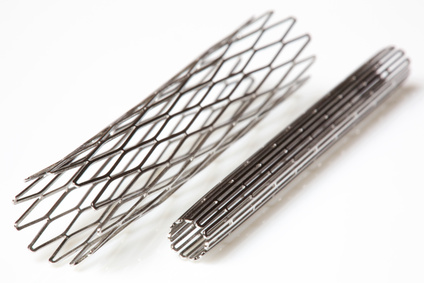
The aim of this study was to evaluate the angiographic and clinical impact of wire jailing prior to main vessel stenting (second-generation stent).
The primary endpoint was side branch occlusion after stent implantation, defined as a Thrombolysis In Myocardial Infarction (TIMI) flow grade <3. The secondary endpoint included 1) treated-lesion failure, defined as cardiovascular death, acute myocardial infarction, and lesion revascularization; 2) treated-lesion failure only, and 3) angiographic and procedural success.
Researchers conducted an analysis of COBIS III (Coronary Bifurcation Stenting), a retrospective, multicenter, observational registry. A total of 1890 patients who met the inclusion criteria were included and divided into two groups: the wire jailing group (N = 819, 43%), and the non-wire jailing group (N = 1071, 56%).
There was no difference between populations. Mean patient age was 63 years old, and around 70% were male. Half the patients were hypertensive and 30% suffered from diabetes mellitus. The wire jailing group had higher rates of true bifurcation lesions and left main coronary artery disease.
Read also: Provisional vs Dual Stenting in Left Main: An Endless Discussion?
The most frequent presentation was acute coronary syndrome.
There were no significant differences in the primary endpoint (wire jailing 1.8% vs. non-wire jailing 2.9%; hazard ratio [HR]: 0.62; 95% confidence interval [CI]: 0.33-1.16; p = 0.133) or the secondary endpoint. Furthermore, there was no difference in angiographic and procedural success, nor in patient follow-up (mean of 52 months).
There were significant differences in side branch occlusion in patients with >60% stenosis in side branch or main vessel (HR: 0.30; 95% CI: 0.12-0.69; p = 0.007), in favor of those with guidewire use on the secondary branch.
Conclusion
In the 1-stent strategy for the treatment of bifurcation lesions with second-generation stents, wire jailing the side branch before main vessel stenting was associated with a decrease in the rate of side branch occlusion in patients with severe lesions in the main vessel or side branch, but there were no differences in all types of bifurcations or in long-term clinical follow-up.
Randomized studies are needed to clarify the role of this technique.

Dr. Andrés Rodríguez.
Member of the Editorial Board, SOLACI.org
Original Title: Effect of Wire Jailing at Side Branch in 1-Stent Strategy for Coronary Bifurcation Lesions.
Reference: Yeon-Jik Choi et al. J Am Coll Cardiol Intv. 2022 Feb, 15 (4) 443–455.
Subscribe to our weekly newsletter
Get the latest scientific articles on interventional cardiology



