






The prevalence of spontaneous coronary artery dissection (SCAD) is around 4% of acute coronary syndromes (ACS). Even though the current guidelines recommend a conservative approach, as long as it is clinically viable, it remain unclear whether there are benefits to percutaneous coronary intervention (PCI) as an initial approach, to prevent disease progression and adverse events. Seeing as there are no randomized studies available, the choice between a conservative and an invasive approach is based on expert advice, observational studies and meta-analysis.
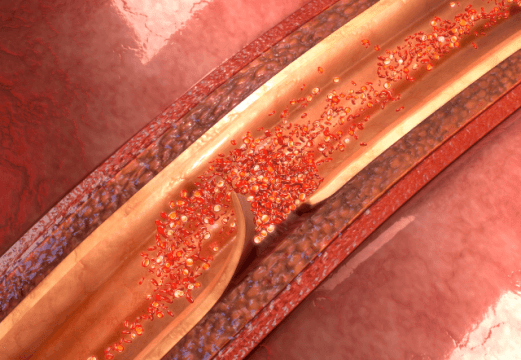
The aim of this multicenter, observational, retrospective study of the DISCO registry (Dissezioni Spontanee Coronariche) was to look into the prevalence of PCI vs medical therapy as initial approach, assess predictors and the link between the initial approach and clinical outcomes.
Primary end point was major adverse cardiovascular events rate (MACE), defined as the combination of all-cause death, non-fatal acute MI, and any PCI. They also looked at individual primary end components and inhospital bleeding.
The analysis included a total of 369 patients, 129 (35%) receiving PCI, while the remaining 240 (65%) were treated with a conservative approach. Mean patient age was 53 and they were mostly women. The PCI branch saw lower hypertension (26% vs 41%, P=0.007), more ST elevation MI (STEMI) (68% vs 35% P< 0.001) and higher incidence of resuscitated cardiac arrest (9% versus 3%, P=0.032). These patients also presented reduced ejection fraction and longer hospital stay. As regards procedure characteristics, the radial approach was the most used and the most affected artery was the anterior descending, followed by the circumflex. After multivariable analysis, researchers found STEMI (OR, 3.30 [95% CI, 1.56–7.12]; P=0.002) and proximal segment compromise (OR, 5.43 [95% CI, 1.98–16.45]; P=0.002), TIMI flow 0-1 (OR, 3.22 [95% CI, 1.08–9.96]; P=0.038) and TIMI flow 2 (OR, 3.98 [95% CI, 1.38–11.80]; P=0.009), as well as severe stenosis diameter (OR, 1.13 [95% CI, 1.01–1.28]; P=0.037), were associated to higher chances of PCI. On the other hand, the angiographic 2b subtype was an independent predictor of the conservative approach.
Read also: Spontaneous Coronary Artery Dissection: Are There Differences Between Men and Women?
As regards the primary end point, the incidence of inhospital MACE resulted 6.9% for the PCI group vs 8.3% for the medical therapy patients (P=0.795). there were no significant differences as regards inhospital mortality, MI or need for repeat PCI (0.7% vs 0.4%, P=0.532; 4.7% vs 5.8%, P=1; y 6.2% vs 6.7%, P=0.956, respectively). Bleeding rate was 3.9% for the PCI group, showing statistical significance (P=0.053). At 2 years, primary end point occurred in 13.9% of patients undergoing PCI vs 11.7% of those treated with medical therapy (P=0.467).
Conclusion
Choosing between a conservative vs an invasive approach for SCAD is guided by clinical presentation and procedural aspects, including stenosis severity, angiographic SCAD type and proximal segment compromise. This sub-analysis of the DISCO registry showed no significant differences in adverse events at short and mid-term. Despite sample size and observational design, these results raise new questions for further research.
Dr. Andrés Rodríguez.
Member of the Editorial Board of SOLACI.org.
Original Title: Interventional Versus Conservative Strategy in Patients With Spontaneous Coronary Artery Dissections: Insights From DISCO Registry.
Reference: Stefano Benenati et al Circ Cardiovasc Interv. 2023;16:e012780.
Subscribe to our weekly newsletter
Get the latest scientific articles on interventional cardiology



