






Tricuspid regurgitation has become increasingly common, and current pharmacological treatment options are limited. In turn, surgery, which is a complex alternative, carries considerable rates of complications and mortality.
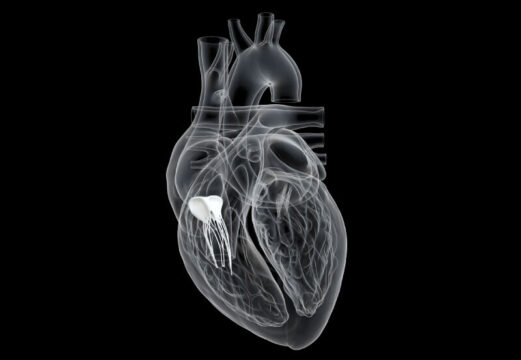
In response to this issue, various percutaneous systems are being developed, such as edge-to-edge treatment, percutaneous annuloplasty, and caval valve implantation (CAVI), among others.
In the analysis conducted in the TRICUS and TRICUS EURO studies, which included 44 patients, the primary endpoint (PE) was defined as changes in quality of life (QOL) as assessed by KCCQ-12, functional class, and the 6-minute walk test (6MWT) at 12 months.
The average participant age was 76 years, and most subjects were women. All of them were classified in functional categories III-IV. Among the population, 33 patients had hypertension, 7 had diabetes, 42 experienced atrial fibrillation, 6 had coronary artery disease, 2 had chronic obstructive pulmonary disease (COPD), 9 had undergone permanent pacemaker implantation, and 29 showed impaired renal function. Regarding valves, 7 patients had undergone aortic valve replacement, 12 had mitral valve replacement, and 7 had tricuspid valve replacement, while 2 had undergone transcatheter aortic valve replacement (TAVR), 3 had undergone percutaneous mitral treatment, and 1 had prior percutaneous tricuspid treatment.
Read also: Evolution of Bicuspid Valves at 12 Months.
The left ventricular ejection fraction was 59%, the TRISCORE was 5.1%, and the EUROSCORE II was 5.6%. All patients had high BNP levels, with a KCCQ-12 of 40 and a 6MWT of 229 meters.
The PE was achieved in 42 out of 44 patients (95%). There was a significant improvement of more than 15 points in QOL, and all patients were in functional categories I-II (p<0.001). There was also a non-significant increase in the 6MWT (229 vs. 270 meters, p=0.285).
After one year, 3 patients died (all-cause mortality): one of them had required tricuspid surgery. There were 9 cases of major bleeding, 4 cases of strokes, and 13 rehospitalizations for heart failure.
Conclusion
In conclusion, bicaval TricValve implantation showed an association with significant clinical improvement at one year in terms of quality of life, with a relatively low mortality rate.

Dr. Carlos Fava.
Member of the Editorial Board of SOLACI.org.
Original Title: Bicaval TricValve Implantation in Patients With Severe Symptomatic Tricuspid Regurgitation 1-Year Follow-Up Outcomes.
Reference: Sara Blasco-Turrión, et al. J Am Coll Cardiol Intv 2024;17:60–72.
Subscribe to our weekly newsletter
Get the latest scientific articles on interventional cardiology



