






Between 30% and 70% of patients undergoing transcatheter aortic valve replacement (TAVR) present with coronary artery disease (CAD). However, the prognostic impact of CAD in this setting is not fully clarified. Although it has been demonstrated that coronary artery disease increases one-year mortality after TAVR, the effect of percutaneous coronary intervention (PCI) before, during, or after the procedure remains uncertain.
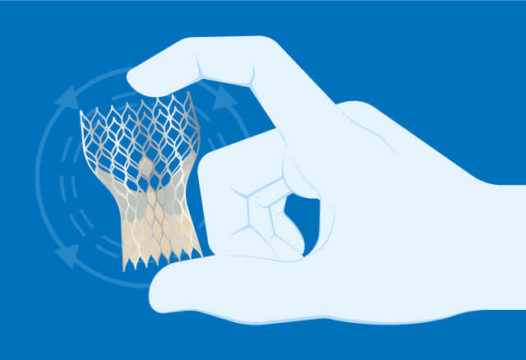
The ACTIVATION trial (Percutaneous Coronary Intervention prior to Transcatheter Aortic Valve Implantation) failed to demonstrate the non-inferiority of PCI compared to medical therapy in terms of mortality after TAVR. Likewise, revascularization following TAVR may be even more questionable, since coronary access can become more challenging. The incidence of acute coronary syndrome at two years also appears to be low, ranging between 5% and 10%.
Coronary access after TAVR is more challenging with self-expanding valves (SEV) compared with balloon-expandable valves (BEV), due to design differences. Nevertheless, feasibility has been demonstrated in most cases at experienced centers. In the RE-ACCESS study (Reobtain Coronary Ostia Cannulation Beyond Transcatheter Aortic Valve Stent), the selective cannulation rate for coronary angiography was 99% with BEV and 89% with SEV in centers performing TAVR. Data predicting the need for PCI and factors influencing the management of CAD after TAVR remain scarce.
Read also: Use of OCT in Calcified Lesions: Results from a Subanalysis of ILUMIEN IV.
The aim of this study was to evaluate the incidence and predictive factors of CAD after TAVR, as well as its prognostic impact on mortality, hospitalization for heart failure, and the combination of both events, using the France-TAVI registry (Registry of Transcatheter Aortic Valve Bioprostheses). The study also analyzed the effect of valve type (BEV vs. SEV) and the influence of admission to a center with or without a TAVR program on long-term outcomes.
The primary endpoint was the rate of first hospitalization for CAD during follow-up. The secondary endpoint was the combination of all-cause mortality or hospitalization for heart failure following a coronary event.
Between 2013 and 2021, a total of 64,660 patients were included (SEV 63.8%; BEV 36.2%) with a median follow-up of approximately 8 years. The mean age was 84 years, and the majority were male. The mean logistic EuroSCORE was 12%. The femoral approach was the most frequently used. Among balloon-expandable valves, Sapien 3 was the most implanted, whereas among self-expanding valves, Evolut R predominated.
The incidence of CAD was 11.6% (1.5% per year). The main predictors of CAD after hospital discharge post-TAVR were: male sex, younger age, dyslipidemia, prior coronary disease, peripheral vascular disease, coronary stenosis greater than 50% before TAVR, and ST-elevation myocardial infarction during the index hospitalization.
The incidence of CAD was 11.6% (1.5% per year). The main predictors of CAD after hospital discharge post-TAVR were: male sex, younger age, dyslipidemia, prior coronary disease, peripheral vascular disease, coronary stenosis greater than 50% before TAVR, and ST-elevation myocardial infarction during the index hospitalization.
With regard to the primary endpoint, patients with BEV had a higher incidence (12%) compared to SEV (10.9%; p=0.04). Following a coronary event, combined outcomes were more favorable in patients undergoing PCI compared with those who underwent angiography only or no intervention (79.6%, 85.2%, and 86.5%, respectively; p=0.002). Outcomes were also less favorable in BEV carriers compared to SEV carriers (85.8% vs. 83.8%; p=0.01). Patients treated at centers with a TAVR program were more likely to undergo PCI (OR: 1.20; 95% CI: 1.01-1.42; p=0.04), particularly those with BEV (OR: 1.42; 95% CI: 1.18-1.71; p=0.002).
Conclusion
The annual incidence of CAD after TAVR is low, around 1.5%, but it significantly impacts long-term outcomes. In cases of CAD, patients with SEV show a higher risk of all-cause mortality or rehospitalization for heart failure at 8 years, and are less likely to undergo PCI when treated at centers without a TAVR program. Moreover, patients managed with medical therapy alone showed worse prognosis regardless of valve type.
Although the need for PCI after TAVR remains relatively low, knowledge sharing, the development of prostheses with improved coronary access, and the implementation of effective techniques to facilitate revascularization remain crucial.
Original Title: Coronary Events After Transcatheter Aortic Valve Replacement Insights From the France TAVI Registry.
Reference: Sandra Zendjebil, MD et al JACC Cardiovasc Interv. 2025; 18: 229–243.
Subscribe to our weekly newsletter
Get the latest scientific articles on interventional cardiology



 presentan enfermedad coronaria (EC).)