






Paravalvular leak (PVL) is a relatively frequent complication following valve replacement (overall incidence 5–18%; 2–10% in the aortic position and 7–17% in the mitral position), although only 1–5% of patients require reintervention, usually in the setting of heart failure or hemolytic anemia. Although percutaneous closure represents the least invasive alternative, it is a technically complex procedure that requires multimodal planning using echocardiography, fluoroscopy, and computed tomography, as well as extensive operator experience.
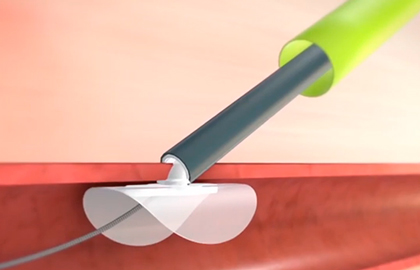
This single-center retrospective study aimed to evaluate the feasibility, safety, and clinical outcomes of percutaneous PVL closure in Japan. A total of 28 consecutive patients treated between 2014 and 2022 were included (23 mitral and 5 aortic), with a median age of 76 years, high surgical risk (median STS score of 10.6% for mitral and 4.2% for aortic cases), and a high burden of comorbidities: atrial fibrillation in 86%, chronic kidney disease in 54%, and symptomatic heart failure in 89%. The indication for closure was the presence of at least moderate or severe paravalvular leak associated with heart failure (NYHA II–III with clinical impact) and/or significant hemolytic anemia, with the combination of both conditions predominating in 75% of cases.
Regarding prosthesis type, most cases involved surgical valves: 87% of the mitral prostheses and 60% of the aortic prostheses were mechanical valves, with a smaller proportion of bioprosthetic valves. Only one case involved a transcatheter valve following TAVI.
The primary clinical endpoint was all-cause mortality during follow-up, while the primary procedural endpoint was technical success, defined as residual leak less than moderate on intraprocedural transesophageal echocardiography without the need for urgent surgery or death. The secondary endpoint was a composite of death, hospitalization for heart failure, or reintervention.
A total of 67 defects were treated using a transseptal approach in 79% of cases, transaortic in 18%, and transapical in 4%, with an average of 2.4±1.2 devices used per procedure. Devices included mainly the Amplatzer Vascular Plug II (64%), Amplatzer Duct Occluder II (21%), and, in a later stage, dedicated PVL devices (Occlutech PLD, 14%), reflecting a transition toward these dedicated devices with fewer devices required per case and lower radiation exposure.
Technical success was achieved in 71% of patients. During a 2-year follow-up, overall mortality was 29% (8 patients), while the composite endpoint occurred in 64% (18 patients), with no in-hospital mortality reported. Major complications occurred in 7% of cases (2 patients), both requiring urgent surgery due to left ventricular perforation and annular dehiscence. Device embolization occurred in 4 cases but was successfully managed percutaneously. Kaplan–Meier analysis showed that patients with residual leak < moderate had significantly better event-free survival (p=0.007). The high event rate mainly reflects the very high-risk profile of the cohort, characterized by multiple comorbidities, advanced cardiac dysfunction, and elevated baseline surgical risk, rather than the procedure itself.
From an echocardiographic standpoint, there was a significant reduction in mitral leak severity parameters: vena contracta width decreased from 10.6 to 2.6 mm, jet area from 4.8 to 0.7 cm², and three-dimensional vena contracta area from 0.45 to 0.1 cm² (all p<0.001). Similar trends were observed in the aortic position, although without reaching statistical significance. Clinically, there was a significant improvement in NYHA functional class (p<0.001), along with reductions in hemolysis markers including LDH (from 1888 to 1392 U/L; p=0.003) and total bilirubin (from 2.2 to 1.6 mg/dL; p=0.011).
Conclusión: la presencia de leak residual moderado o severo tras el cierre percutáneo se asoció a peor pronóstico y menor sobrevida libre de eventos
In conclusion, percutaneous paravalvular leak closure proved to be a feasible and effective strategy in a population with high surgical risk, achieving a 71% technical success rate and significant improvements in both clinical and echocardiographic parameters.
The presence of residual leak ≥ moderate was associated with worse prognosis, underscoring the importance of achieving effective leak closure. Although the event rate remained high due to the risk profile of the population, this technique represents a valid therapeutic alternative to surgery in selected patients. In this context, multimodal planning, operator experience, and appropriate device selection are essential to optimize outcomes.
Original Title: Percutaneous paravalvular leak closure: clinical outcomes and practical insights from a single-center experience in Japan.
Subscribe to our weekly newsletter
Get the latest scientific articles on interventional cardiology



 es una complicación relativamente frecuente luego del reemplazo valvular, aunque solo entre el 1% y el 5% de los pacientes requieren una reintervención, habitualmente en el contexto de insuficiencia cardíaca o anemia hemolítica)