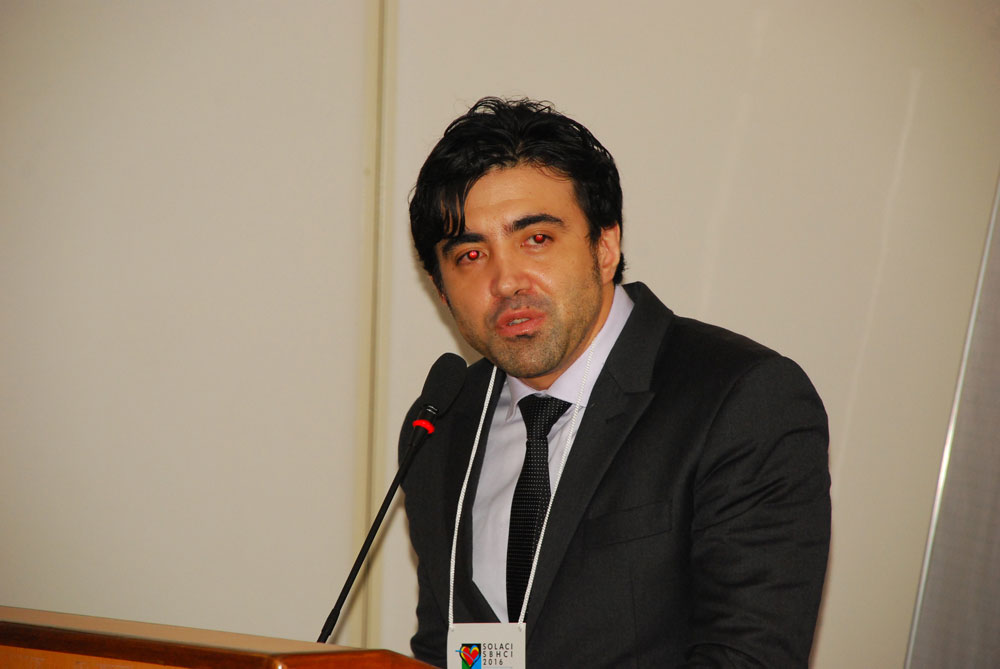
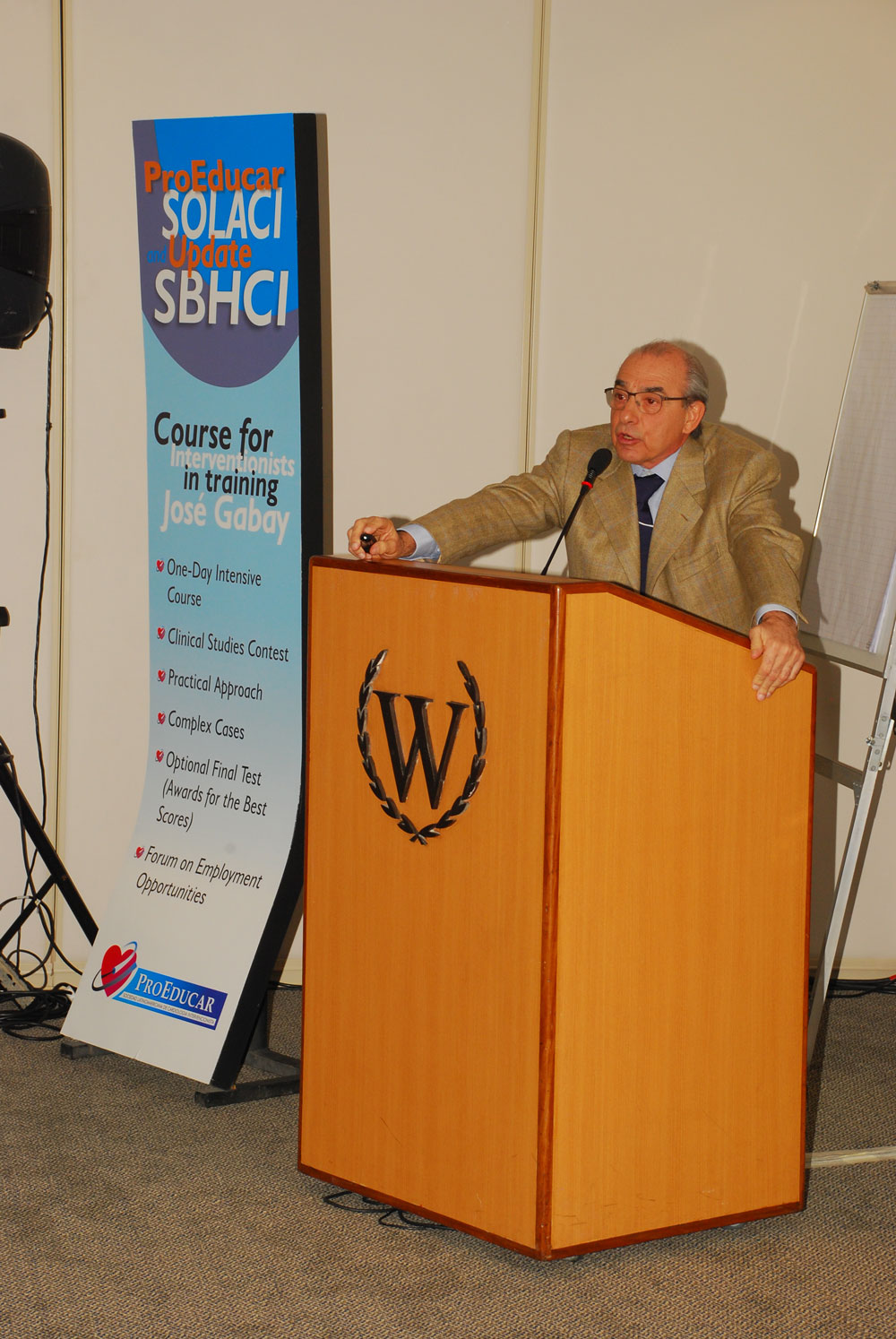
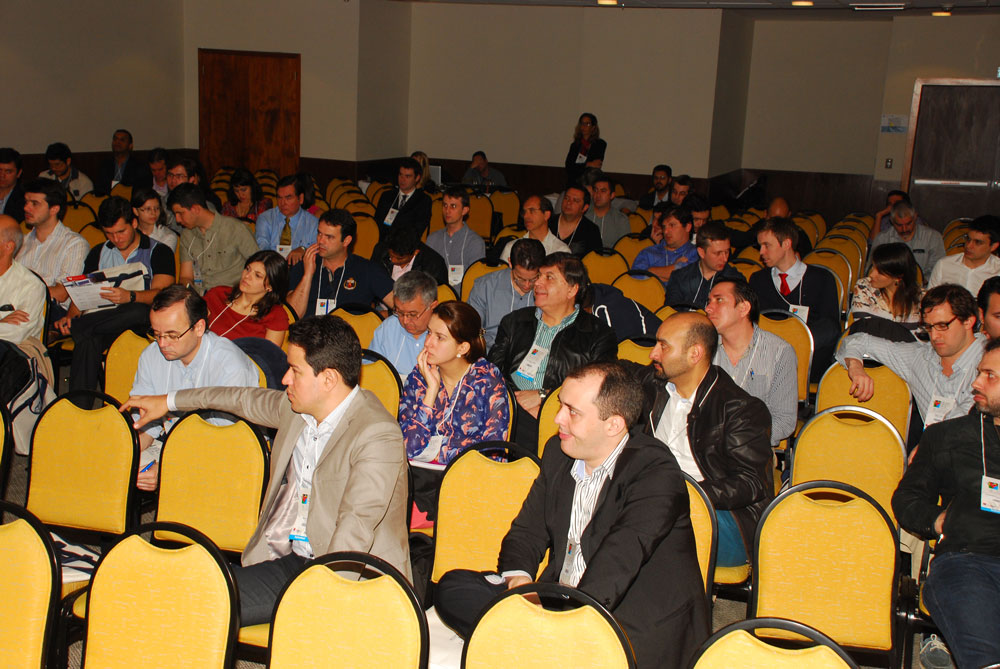
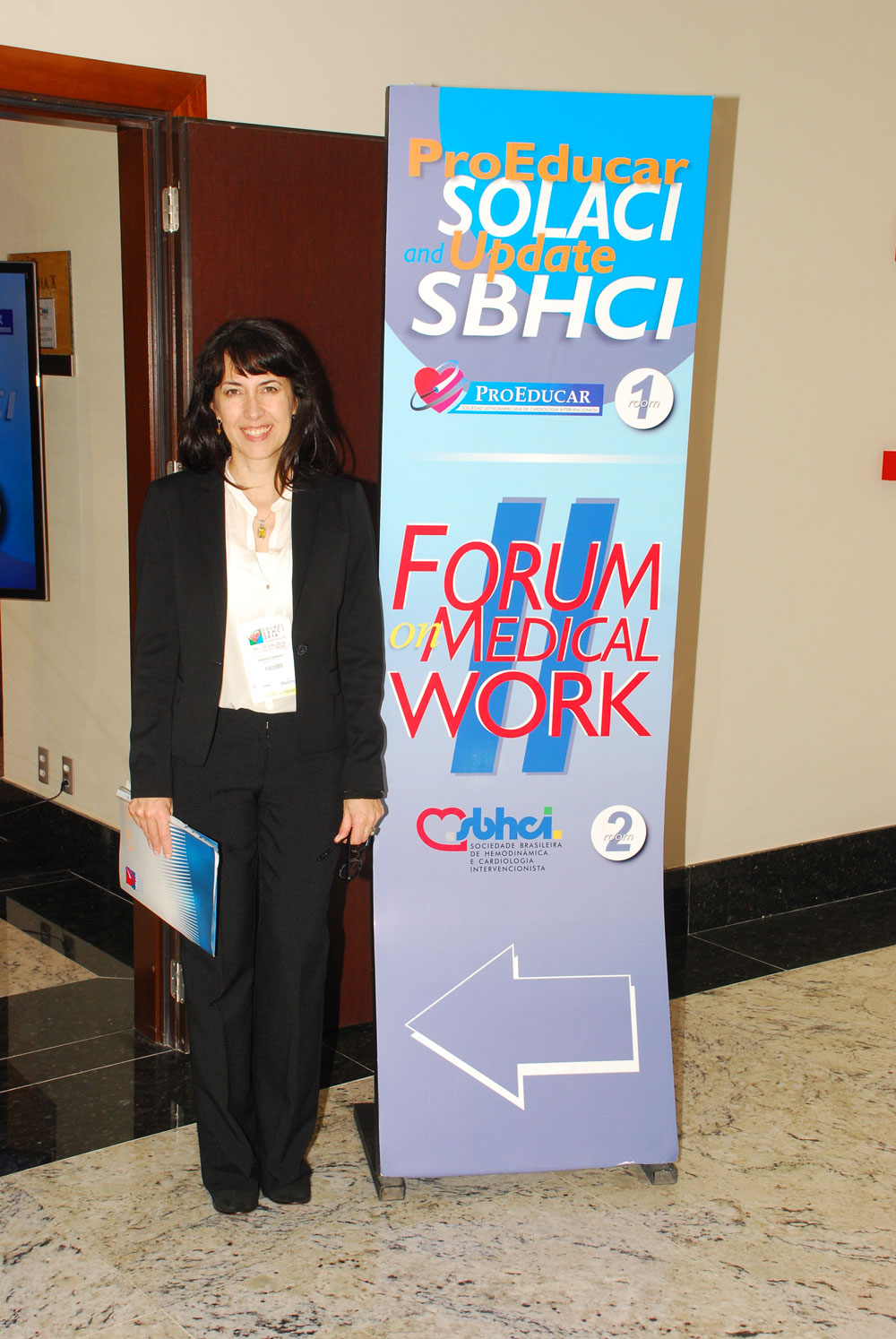
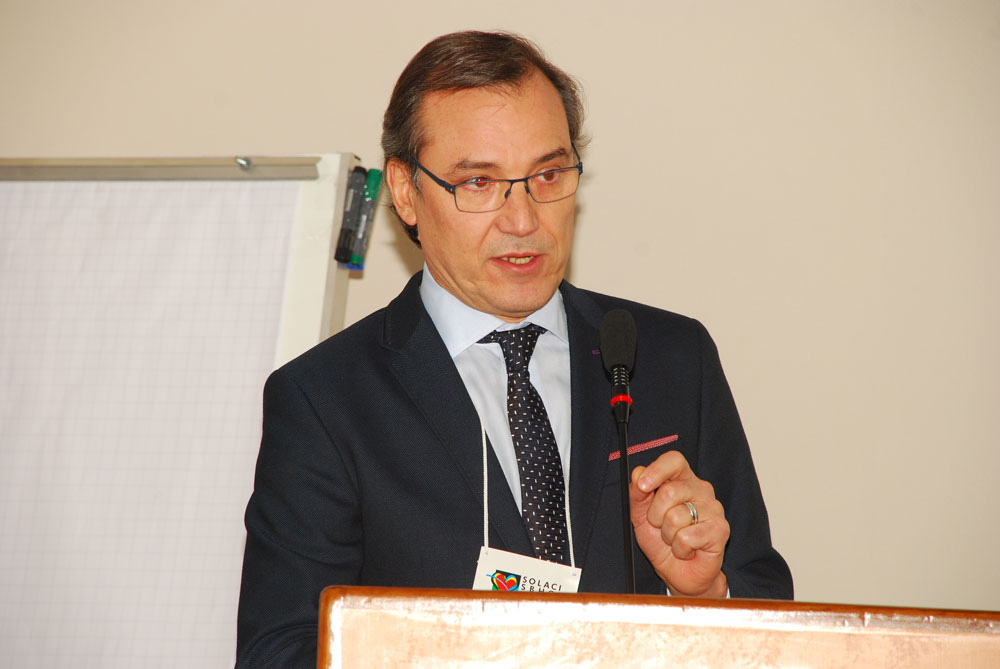
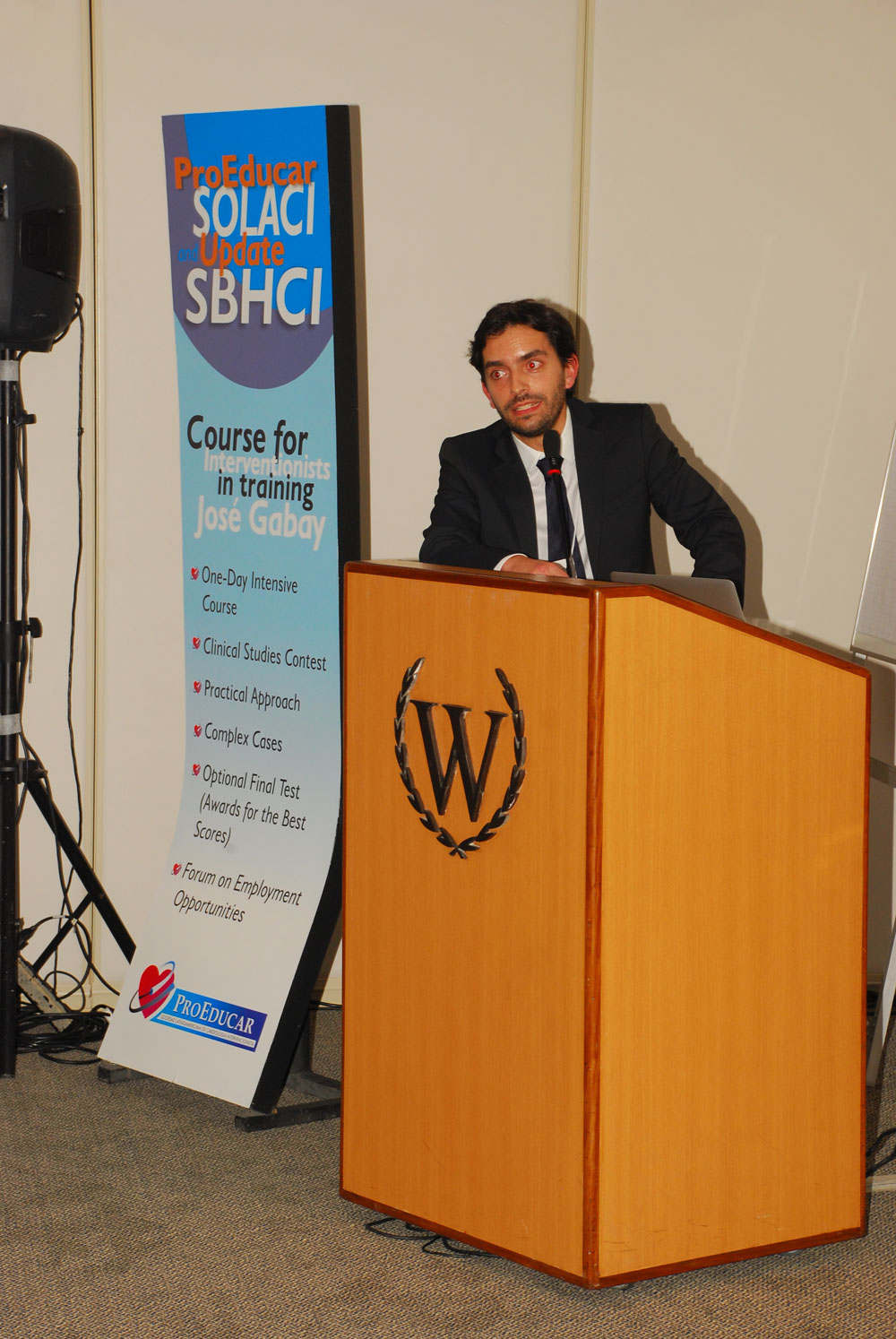
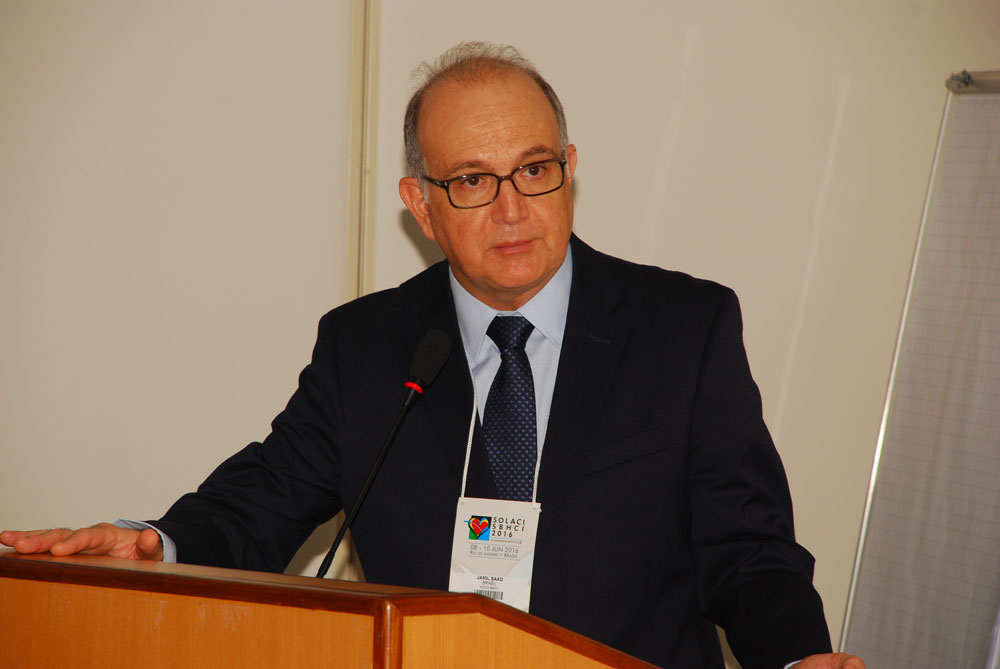
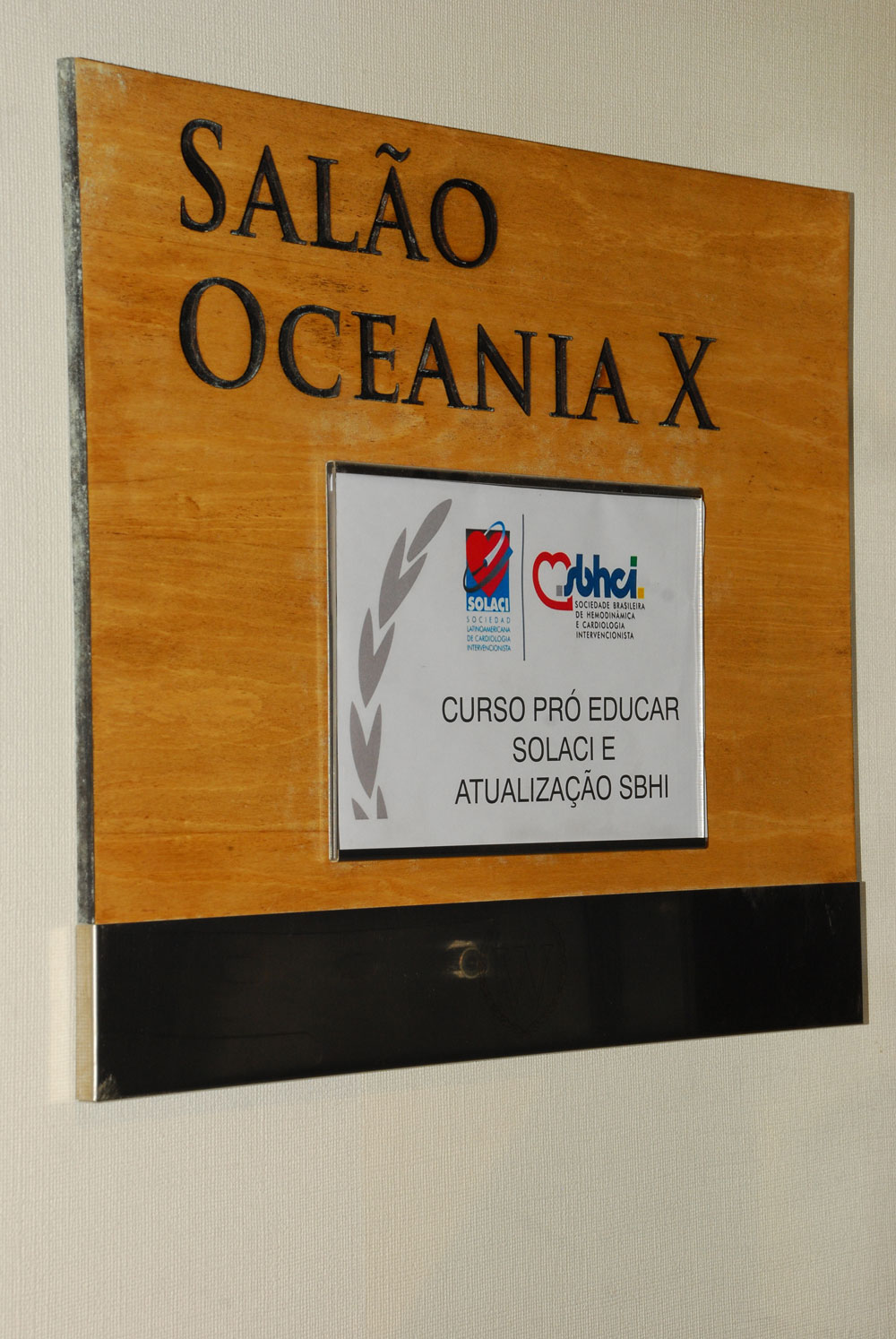
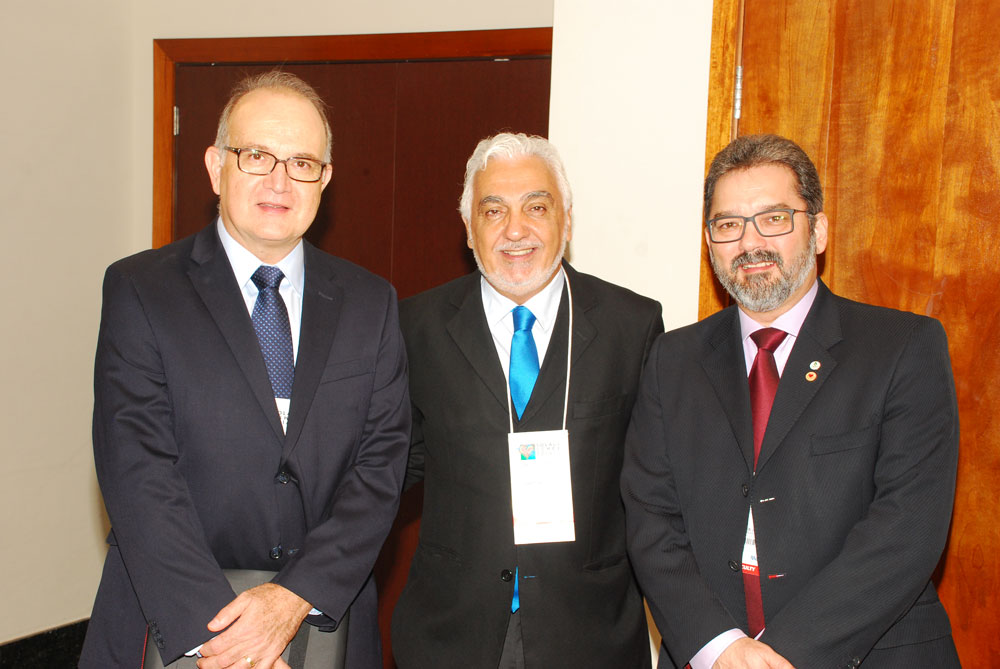
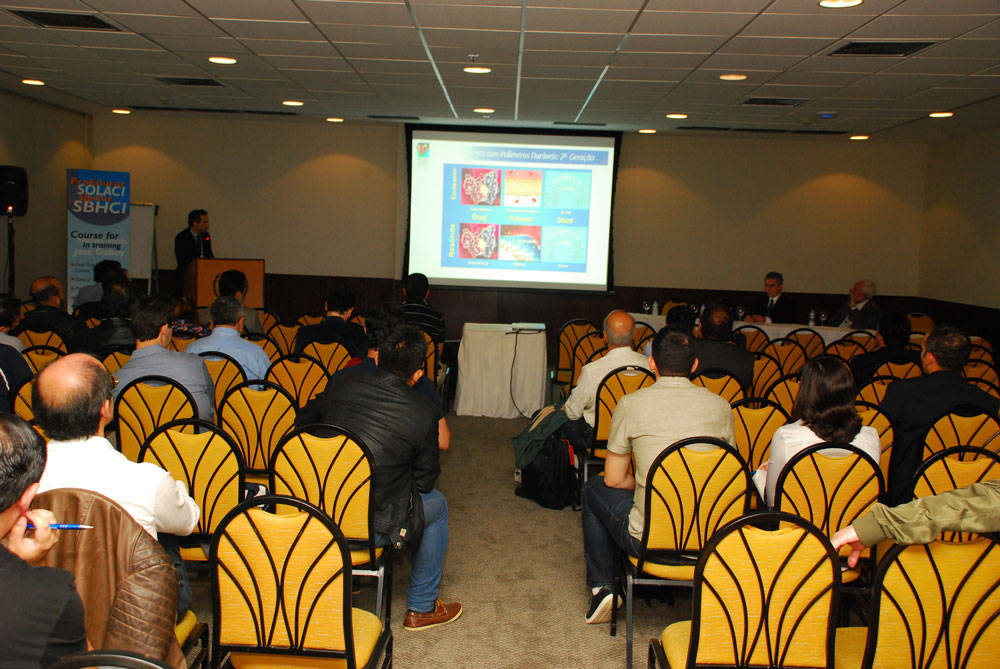
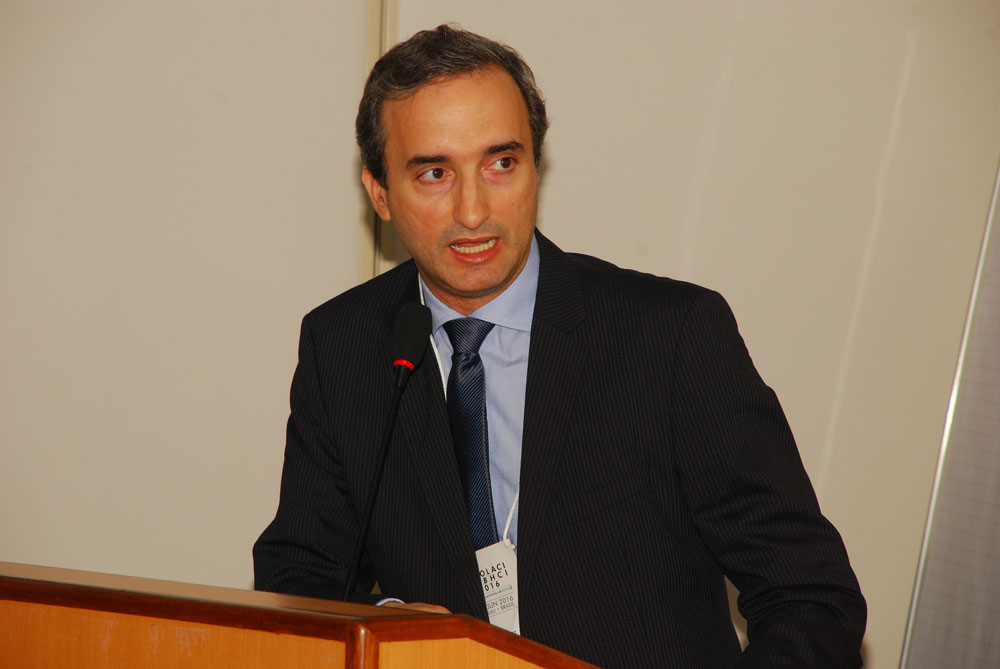
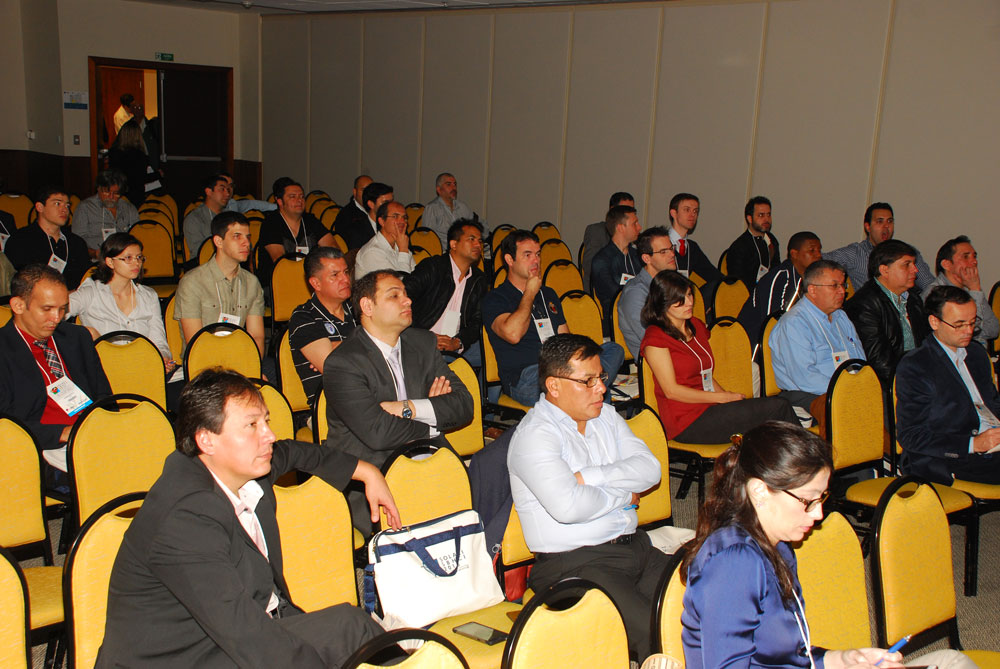
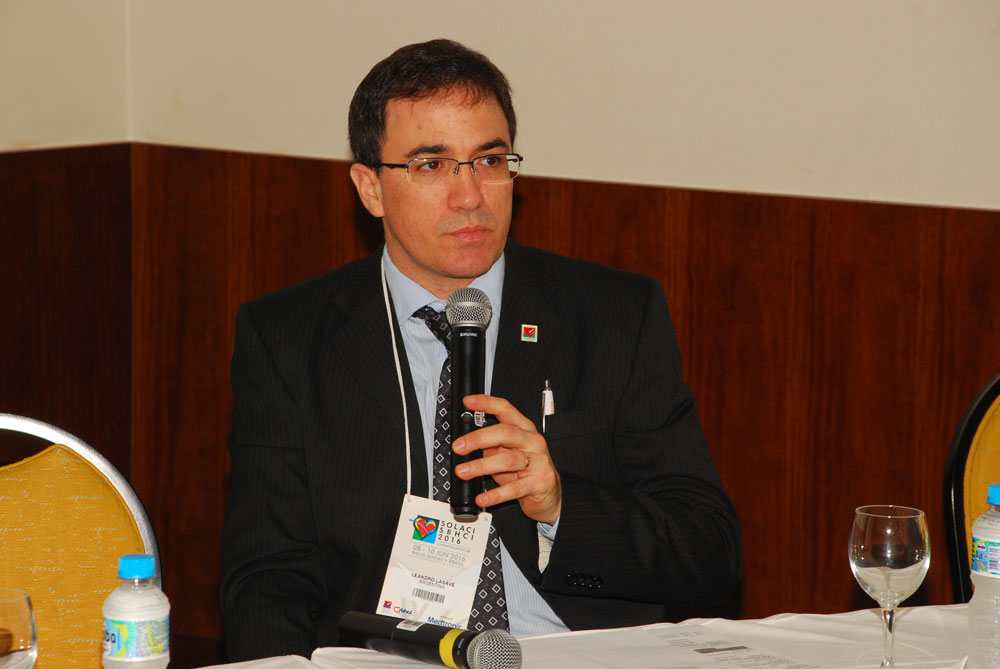
Course for Interventionists in Training 2016

This was a ProEducar iniciative that was a Pre-Congress activity and took place on June 7th of 2016.


More articles by this author

See the Presentations of the 13th ProEducar Fellows Course

  During SOLACI-SBHCI 2023, our traditional education program for young interventionists ProEducar Fellows Course was held.  Discover the presentations of the prestigious interventionists that made part of this 13th edition...

The best images of the 13th ProEducar Fellows Course at SOLACI-SBHCI 2023

Relive the best images of the 13th ProEducar Fellows Course held on August 2 during the SOLACI-SBHCI 2023 Congress in the URCA Room of...

13th ProEducar-SOLACI Fellows Course Held at SOLACI-SBHCI 2023

ProEducar-SOLACI Fellows Course continues to grow! For the thirteenth consecutive year, the traditional SOLACI course for fellow interventionists was held at SOLACI-SBHCI 2023. The course...

Teve lugar o 13º Curso de Fellows do ProEducar-SOLACI no Congresso SOLACI-SBHCI 2023

o Curso de Fellows do ProEducar-SOLACI continua crescendo! Pelo décimo terceiro ano consecutivo teve lugar o tradicional Curso da SOLACI para intervencionistas em formação...

LEAVE A REPLY

Please enter your comment!
Please enter your name here

Related Articles

SOLACI Sessionsspot_img

Recent Articles

VECTOR: First Percutaneous Aorto-Coronary Bypass Case, a New Conceptual Approach

Coronary obstruction represents one of the most severe complications associated with transcatheter aortic valve implantation, particularly in valve-in-valve scenarios involving surgical bioprostheses, narrow aortic...

Comparison of strategies: NMA of IVUS, OCT, or angiography in complex lesions

Percutaneous coronary intervention (PCI) in complex lesions continues to represent a technical challenge in contemporary interventional cardiology. Angiography, although it remains the most widely...

Is upper-limb aerobic training an effective alternative to lower-limb exercise in peripheral artery disease?

Peripheral artery disease is associated with impaired functional capacity, reduced walking distance, and poorer quality of life, and structured exercise is a class I...