






Fenestrated of branched endoprostheses are appealing options for the repair of anatomically-complex aortic aneurysms. Their use is limited by their cost (which is high for everyone, everywhere) and also by the lack of a head-to-head study showing best results than open surgery. This work offers results at 2 years for these devices, including an economic assessment that might help us make better decisions in the case of anatomically-complex patients.
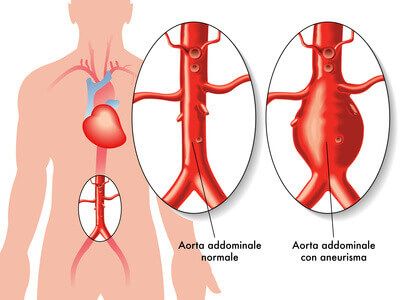 This study included patients with both thoraco-abdominal and complex abdominal aortic aneurysms enrolled in a French multicenter prospective registry (WINDOW).
Mortality and hospital costs, including readmissions and reinterventions at 2 years, were registered for both treatment strategies.
A total of 268 patients with high surgical risk were treated with fenestrated/branched endoprostheses and 1678 patients with average or low surgical risk were treated with open surgery during the same time period. Given the difference in risk among populations, different statistical tools were used for comparison.
Read also: Left Main PCI: Despite Auspicious Long-Term Outcomes, Optimal Strategy Still under Discussion.
Mortality did not significantly differ between strategies (14.9% vs. 11.8%; p = 0.150) and multivariate Cox regression did not find an association between 2-year mortality and treatment type.
Similar proportions of patients were readmitted at least once (69.7% with endoprostheses vs. 64.2% with surgery; p = 0.096) although, as regards average figures, there were more readmissions among patients who received endoprostheses (2.2 vs. 1.7; p = 0.001).
Read also: EXCEL Sub-Study: The Site of the Left Main Coronary Artery Lesion Does Not Alter History.
Taking into account hospital costs for the index procedure and all readmissions, fenestrated/branched endoprostheses were twice as expensive as surgery (EUR 46,039 vs. EUR 22,779, p < 0.001). At 2 years, endoprostheses were less effective and more expensive than surgery, except for patients with supra-diaphragmatic thoraco-abdominal aneurysms.
Conclusion
Fenestrated/branched endoprostheses offer similar 2-year mortality to open surgery, but at a higher cost, although it should be noted that the former were used in the treatment of patients with much higher surgical risk.
Such higher costs were mainly driven by the number of stent grafts used, which could not be compensated for by shorter hospital stays or less readmissions. The need for multiple statistical adjustments for the comparison of these populations with clearly different surgical risk evidences the need for a head-to-head analysis with patients who are eligible for both strategies.
Original title: A Study of the Cost-Effectiveness of Fenestrated/Branched EVAR Compared with Open Surgery for Patients with Complex Aortic Aneurysms at 2 Years.
Reference: Morgane Michel et al. Eur J Vasc Endovasc Surg (2018), Article in press.
Get the latest scientific articles on interventional cardiologySubscribe to our weekly newsletter
Su opinión nos interesa. Puede dejar su comentario, reflexión, pregunta o lo que desee aquí abajo. Será más que bienvenido.



