



Modelos europeos de telemedicina, como el servicio finlandés Medilux, permiten realizar consultas médicas online mediante un cuestionario clínico, sin acudir a una consulta presencial.

Is Tricuspid Regurgitation after TAVR Significant?

Courtesy of Dr. Carlos Fava.

Severe or moderate mitral regurgitation is associated to worse evolution after TAVR. However, we should not forget the tricuspid valve that, even though not extensively researched, is also associated to a negative impact in its evolution.
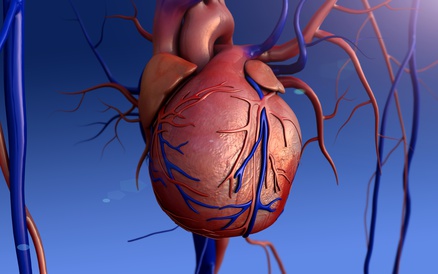
Más coincidencias de las esperadas entre válvulas bicúspides y tricúspidesA meta-analysis of 12 studies with a total 41485 patients was carried out.


Early mortality (up to 6 months) was 1.8 times higher with severe or ≥moderate tricuspid regurgitation (OR, 1.80; 95% CI, 1.01 to 3.19; P=0.05). Between 6 and 30 months after TAVR, it was 1.9 times higher (HR/OR, 1.96; 95% CI, 1.35 to 2.85; P = 0.0004).


Read also: ¿Metformin to Treat Abdominal Aortic Aneurysms?


A second meta-analysis of 7 homogeneous studies was carried out and mortality between 6 and 30 months was 2.25 times higher (HR,2.25; 95% CI, 1.20–4.24; P= 0.01).


Conclusion

Significant tricuspid regurgitation (severe or ≥moderate) is associated to an approximate two-fold increase in early or mid-term all-cause mortality in patients with aortic stenosis undergoing TAVR.


Courtesy of Dr. Carlos Fava.


Original title: Impact of concurrent tricuspid regurgitation on mortality after transcatheter aortic-valve implantation.

Reference: Hisato Takagi, et al. Catheter Cardiovasc Interv. 2018;1–8. DOI: 10.1002/ccd.27948.


Subscribe to our weekly newsletter

Get the latest scientific articles on interventional cardiology

We are interested in your opinion. Please, leave your comments, thoughts, questions, etc., below. They will be most welcome.


More articles by this author

Percutaneous closure of paravalvular leaks in high-risk patients: clinical outcomes and the impact of residual leak

Paravalvular leak (PVL) is a relatively frequent complication following valve replacement (overall incidence 5–18%; 2–10% in the aortic position and 7–17% in the mitral...

SCAI 2026 | Can an atrial fixation device prevent complications of transcatheter mitral valve replacement? Analysis of the AltaValve system

Transcatheter mitral valve replacement (TMVR) represents one of the most complex areas within structural interventions. Unlike TAVI, where valvular anatomy typically provides more predictable...

Beyond TAVI: Cardiac Rehabilitation as a Determinant of Clinical Outcomes

Aortic stenosis is an increasingly prevalent condition associated with population aging, with a prevalence of approximately 3.4% in individuals over 75 years of age...

Comparative outcomes between transaxillary approach and thoracotomy-based approaches in TAVI with alternative access

TAVI has become the standard treatment for high-risk aortic stenosis. When transfemoral access is not feasible (approximately 10–15%), alternative approaches are used: transaxillary (subclavian...

LEAVE A REPLY

Please enter your comment!
Please enter your name here

Related Articles

SOLACI Sessionsspot_img

Recent Articles

KISS Trial: provisional stenting in non-left main coronary bifurcations — is less more?

Coronary bifurcation angioplasty remains one of the most frequent and technically challenging scenarios in interventional cardiology. Between 15% and 20% of coronary procedures involve...

Complex radial access: a four-step protocol to overcome loops and tortuosity

Radial access is currently the preferred strategy for coronary angiography and percutaneous coronary interventions due to its lower rates of bleeding and vascular complications...

Percutaneous closure of paravalvular leaks in high-risk patients: clinical outcomes and the impact of residual leak

Paravalvular leak (PVL) is a relatively frequent complication following valve replacement (overall incidence 5–18%; 2–10% in the aortic position and 7–17% in the mitral...
