iVAC2L: New Contribution to Ventricular Assist Devices in High Risk PCIs

The use of mechanical circulatory support (MCS) is on the rise, or increasingly necessary, seeing as high risk percutaneous coronary interventions (HR-PCIs) with severe ventricular dysfunction are more and more common. 
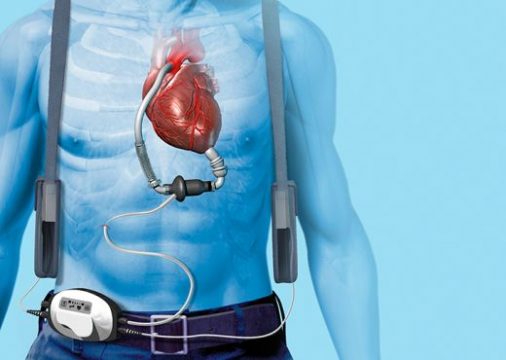
MCS can be pulsatile, such as the IABP, highly available but with limited clinical benefit, or continuous, which are more effective, especially the Impella, though considerably more expensive. 

The iVAC2L MCS is pulsatile and uses the same console as IABP, which facilitates implementation. However, although a few studies point out its benefit, its efficacy has not been totally established. 

The analysis looked at 293 patients undergoing HR PCI with iVAC2L.

Primary end point was in-hospital all-cause mortality.

Mean age was 71; mean SYNTAX score was 33; and ejection fraction 30%. Most were men and pesented comorbidities: hypertension (77%), diabetes (38%), prior MI (52%), stroke (9%), prior PCI (38%), prior CABG (34%) and kidney function deterioration (23%). Half of patients were no candidates for CABG. 

Read also: Post IVL Coronary Compliance.

56% presented three vessel disease, 35% unprotected left main lesion and 72% multivessel lesion. 

Mean device useage time was 67 minutes, with a significant increase in arterial systolic, diastolic, mean pressure and minute volume, as well reduced Wedge pressure, through the latter had no statistical significance. 

Primary end point was 1%; MI rate 0,7%; MACE 3,1%; major bleeding 1%; and severe hypotension 9%.

Conclusion

The present analysis suggest the use of iVAC2L allows hemodynamic improvement with low rate of adverse events. However, validating these findings require further analysis. 

Original Title: Pulsatile Left Ventricular Assistance in High-Risk Percutaneous Coronary Interventions: Short-Term Outcomes. 

Reference: Josko Bulum, et al. https://doi.org/10.3390/jcm13185357. 


Subscribe to our weekly newsletter

Get the latest scientific articles on interventional cardiology

Dr. Carlos Fava
Dr. Carlos Fava
Member of the Editorial Board of solaci.org

More articles by this author

EMERALD II: Non-Invasive Coronary Anatomy and Physiology (CCTA) in ACS Prediction

Despite steady progress in secondary prevention and medical treatment optimization (OMT), acute coronary syndrome (ACS) remains one of the leading causes of cardiovascular morbimortality....

Left or Right Transradial Approach? Comparing Radiation Exposure in Coronary Procedures

Radiation exposure during percutaneous procedures is a problem both for patients and operators. The transradial is currently the preferred approach, vs. femoral; however, whether...

Dual Antiplatelet Therapy in Diabetic Patients with AMI: De-Escalation Strategy

Diabetes Mellitus (DM) is a common comorbidity in patients hospitalized for acute coronary syndrome (ACS) of increasing prevalence over the last decade, associated with...

COILSEAL: Use of Coils in Percutaneous Coronary Intervention, Useful for Complication Management?

The use of coils as vascular closing tool has been steadily expanding beyond its traditional role in neuroradiology into coronary territory, where it remains...

LEAVE A REPLY

Please enter your comment!
Please enter your name here

Related Articles

SOLACI Sessionsspot_img

Recent Articles

Transapical TMVR in High Risk Patients: Intrepid 5-Year Outcomes

Moderate to severe mitral valve regurgitation (MR) continues is still a high prevalence condition with bad prognosis, particularly among the elderly with left ventricular...

EMERALD II: Non-Invasive Coronary Anatomy and Physiology (CCTA) in ACS Prediction

Despite steady progress in secondary prevention and medical treatment optimization (OMT), acute coronary syndrome (ACS) remains one of the leading causes of cardiovascular morbimortality....

Impact of Balloon Post-Dilation on the Long-Term Durability of Bioprostheses after TAVR

Balloon post-dilation (BPD) during transcatheter aortic valve replacement (TAVR) allows for the optimization of prosthesis expansion and the reduction of residual paravalvular aortic regurgitation....