






TAVR has consolidated as standard of care for aortic stenosis. In recent years, high volume centers have adopted a minimalist early discharge approach. However, conduction limitations, one of the most frequent complications following TAVR, lead to a significant percentage of permanent pacemaker implantation (PPMI).
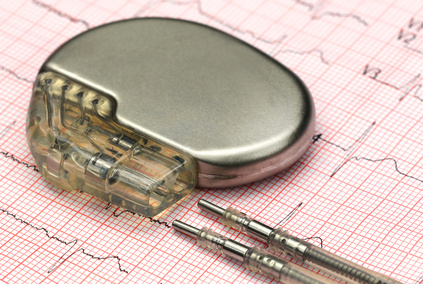
Even though the current guidelines initially recommend temporary pacing and observation for conduction recovery assessment before PPMI, this strategy prologues hospital stay and carries associated risks.
Being this the case, same day PPMI has surged as a reasonable alternative, and was the aim of this study, which compared this strategy against the traditional temporary pacing and 24-hr assessment.
The multicenter study carried out by Fischer et al. included 584 post TAVR patients, with no prior pacemaker, developing persistent or high degree complete atrioventricular block (cAVB) during procedure (lasting +30 minutes after valve implantation). The PPM was implanted in the same room, immediately following TAVR, after protamine anticoagulation reversal.
27% of patients received same day (SD) PPMI while the rest were observed for at least 24 hours with temporary pacing (n-SDPPMI). Mean age was 81, 50% were women, with 5.0% STS. There were no significant differences between the groups, except for higher prevalence of pre-existing first degree AVB among SDPPMI patients (35.2% vs. 19.9%; p < 0.001).
Read also: Use of Plaque Modifying Devices in Calcified Left Main Lesions.
Results showed that 88% of patients in the observation group ultimately required PPMI within 30 days, with mean 3-day delay. In contrast, the SDPPMI strategy significantly reduced hospital stay (5 vs. 8 days; p < 0.001) with no increased complications. AT 30 days, pacemaker dependency and ventricular pacing burden were high and similar between the groups (>90%), which confirms these patients rarely recover conduction.
Notably, among the few patients discharged with no PPMI, 7.6% developed serious adverse events, including sudden death and late AVB requiring emergency PPMI.
Only 11.5% of patients showed complete conduction recovery. Recovery associated factors were: age <75 years, female sex and use of self-expanding valves. In the absence of these factors, recovery was exceptionally rare.
Conclusions
In patients with persistent cAVB/hgAVB during procedure, same day permanent pacemaker implantation shows promising results as a safe and effective strategy supported by a low rate of early spontaneous recovery.
Original Title: Same-Day Permanent Pacemaker Implantation Following Transcatheter Aortic Valve Replacement.
Reference: Fischer, Q, Urena, M, Muntané-Carol, G. et al. Same-Day Permanent Pacemaker Implantation Following Transcatheter Aortic Valve Replacement. J Am Coll Cardiol Intv. 2025 Jul, 18 (14) 1776–1785. https://doi.org/10.1016/j.jcin.2025.05.041.
Subscribe to our weekly newsletter
Get the latest scientific articles on interventional cardiology



