






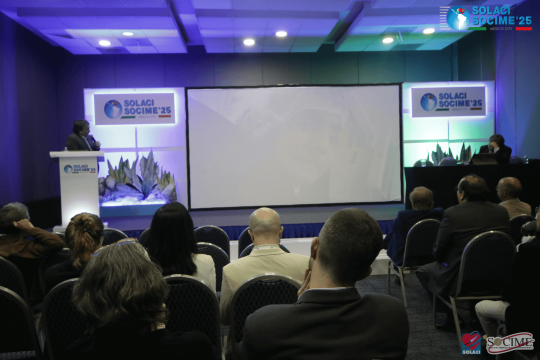
During the SOLACI-SOCIME 2025 Congress, a significant scientific session was held, organized by the SOL-SOLACI Program, aimed at reviewing the 10-year journey of the SOLACI Solidarity Program—an institutional responsibility initiative designed to help low-income patients in various regions of Latin America gain access to percutaneous procedures, with the support of devices provided by the medical industry.
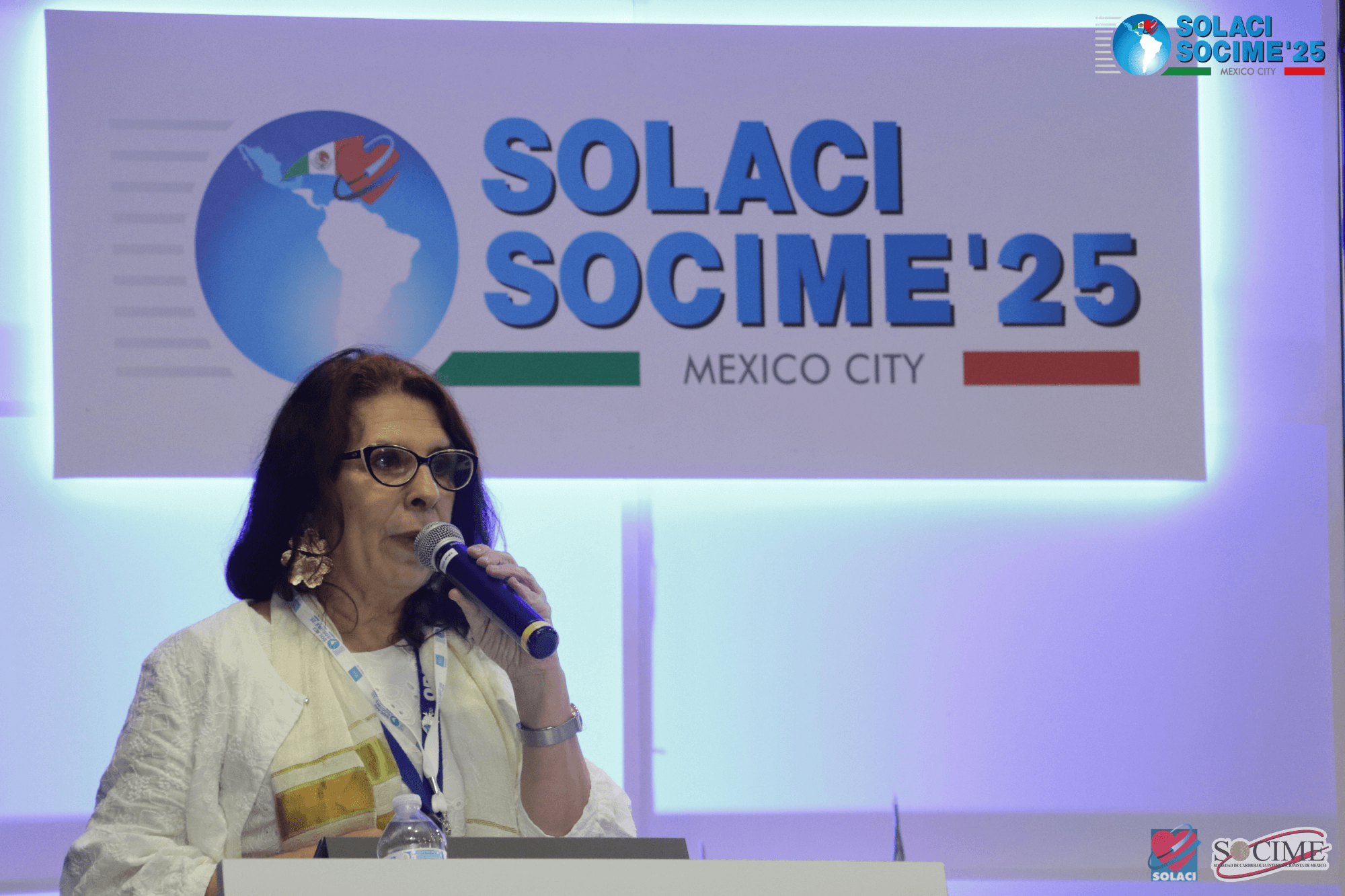
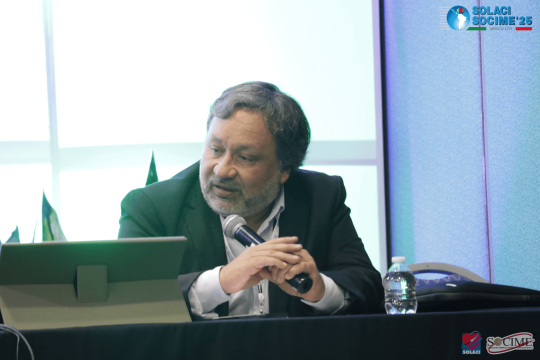
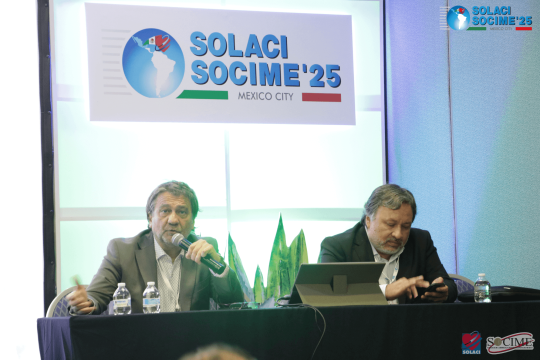
The session, coordinated by Marcelo Halac (Argentina), Director of SOL-SOLACI, featured a distinguished panel of experts, including Alied Bencomo (Pan American Health Organization), José Luis Michelena (Médecins Sans Frontières), Rubén Piraíno (Argentina), and Mario Araya (Chile).
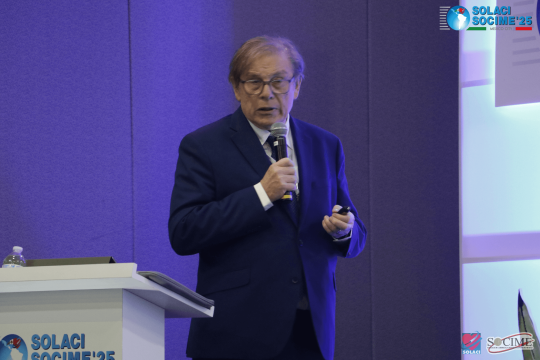
The event began with a presentation by Alied Bencomo (Mexico), who offered an updated overview of cardiovascular disease in Latin America, highlighting the growing burden of these conditions in the region and the urgent need for interventions to improve treatment access. Next, Marcelo Halac (Argentina) delivered a presentation on the Key Features of the SOLACI Solidarity Program, describing how the initiative has successfully carried out 98 percutaneous procedures for patients from disadvantaged communities, improving their quality of life.
Rubén Piraíno (Argentina) discussed Indicated vs. Actually Performed Interventional Practices in LATAM: A Practical Evaluation Exercise, in which he analyzed the gap between recommended practices and their implementation in the region, stressing the importance of optimizing processes to maximize public health impact. Subsequently, José Luis Michelena (Mexico), from Médecins Sans Frontières, presented The Concept of Institutional Social Responsibility as a Driver to Address Population Needs, reflecting on how inter-institutional cooperation can serve as a catalyst for improving access to essential health treatments in vulnerable communities.
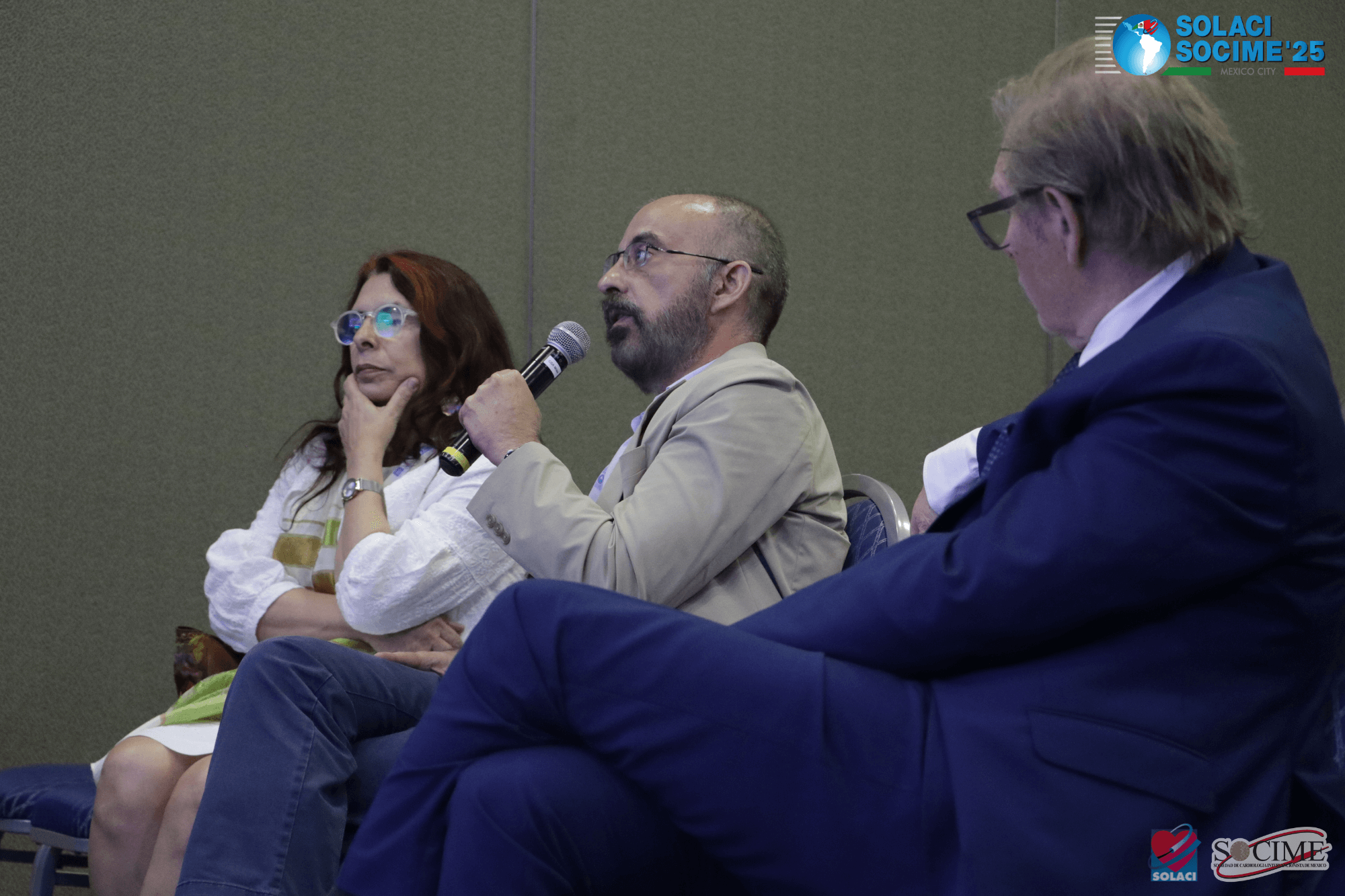
Dr. Halac then presented a Summary of Solidarity Cases, sharing inspiring stories of patients whose lives were transformed thanks to procedures performed under this program.
The session concluded with an interactive discussion between speakers and attendees, highlighting the positive impact of the SOLACI Solidarity Program on the cardiovascular health of thousands of people in Latin America and underscoring the importance of institutional collaboration to continue improving access to percutaneous treatments in the region.
Subscribe to our weekly newsletter
Get the latest scientific articles on interventional cardiology



