



SPYRAL HTN-OFF MED: Renal Denervation Reloaded?

This work presented at the ESC Congress 2017 held in Barcelona, simultaneously published in The Lancet, seems to give hope to all those that still believe in renal denervation. Interim outcomes suggest that a more intensive denervation of renal arteries, carried out at the SYMPLICITY HTN-3 trial, could reduce blood pressure in patients with untreated mild to moderate hypertension.
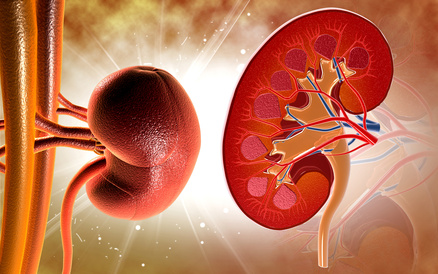
Intentando reducir la insuficiencia renal post TAVI

Compared to those receiving placebo at procedure (sham procedure), denervation with the new multi-electrode catheter Symplicity Spyral (Medtronic) resulted in superior reduction of 24 h systolic blood pressure (some 5 mmHg lower) and 3 month diastolic blood pressure (some 4.4 mmHg lower).


After the upsetting SYMPLICITY HTN-3, these results should be interpreted with cautious optimism, although it is obvious the shed light on renal denervation.


Read also: Patients with Resistant Hypertension: Nearly 50% doesn’t take medication”.


Actually, this is a small study (80 patients) with no statistical power for clinical final end points. In addition, study outcomes were assessed just at 3 months, response was variable, and even though blood pressure was significantly reduced, in absolute terms it was reduced only by 5 mmHg.


Patients included in this work were not under treatment (or had abandoned it) and had office systolic blood pressure between 150 and 180 mmHg. All eligible patients received renal angiography and were randomized to denervation or not. The angiography served as placebo procedure for the control group.


It is worth mentioning that there were no adverse events associated to the procedure, despite the more aggressive denervation performed in this study, compared to prior studies.


Original Title: Catheter-based renal denervation in patients with uncontrolled hypertension in the absence of antihypertensive medications (SPYRAL HTN-OFF MED): a randomized, sham-controlled, proof-of-concept trial.

Presenter: Townsend RR.


Subscribe to our weekly newsletter

Get the latest scientific articles on interventional cardiology

We are interested in your opinion. Please, leave your comments, thoughts, questions, etc., below. They will be most welcome.


More articles by this author

A New Asymptomatic Carotid Stenosis Paradigm? CREST-2 Trial Unified Results

Severe asymptomatic carotid stenosis continues to be controversial seeing the optimization of intensive medical therapy (IMT) and the availability lower periprocedural risk revascularization techniques....

Impact of Baseline Systolic Blood Pressure on Blood Pressure Changes Following Renal Denervation

Renal denervation (RDN) is a guideline-recommended therapy to reduce blood pressure in patients with uncontrolled hypertension, although uncertainties remain regarding which factors best predict...

Hypertriglyceridemia as Key Factor to Abdominal Aortic Aneurysm Development and Rupture: Genetic and Experimental Evidence

Abdominal aortic aneurysm (AAA) is a deadly vascular disease with no effective drug treatment, and risk of rupture reaching up to 80%. Even though...

Atrial Fibrillation and Chronic Kidney Disease: Outcomes of Different Stroke Prevention Strategies

Atrial fibrillation (AF) affects approximately 1 in every 4 patients with end-stage renal disease (ESRD). This population carries a high burden of comorbidities and...

LEAVE A REPLY

Please enter your comment!
Please enter your name here

Related Articles

SOLACI Sessionsspot_img

Recent Articles

Transapical TMVR in High Risk Patients: Intrepid 5-Year Outcomes

Moderate to severe mitral valve regurgitation (MR) continues is still a high prevalence condition with bad prognosis, particularly among the elderly with left ventricular...

EMERALD II: Non-Invasive Coronary Anatomy and Physiology (CCTA) in ACS Prediction

Despite steady progress in secondary prevention and medical treatment optimization (OMT), acute coronary syndrome (ACS) remains one of the leading causes of cardiovascular morbimortality....

Impact of Balloon Post-Dilation on the Long-Term Durability of Bioprostheses after TAVR

Balloon post-dilation (BPD) during transcatheter aortic valve replacement (TAVR) allows for the optimization of prosthesis expansion and the reduction of residual paravalvular aortic regurgitation....
