






Courtesy of Dr. Carlos Fava.
Transcatheter mitral valve repair with MitraClip has shown good results in symptomatic patients with extreme surgical risk in different studies. However, its “real world” benefits have not been studied in depth due to how complex this strategy is compared with other usual procedures.
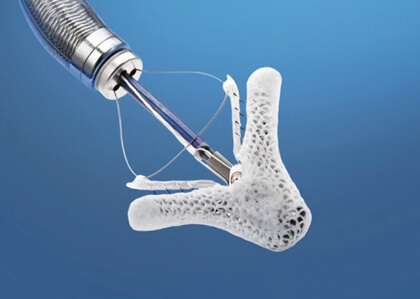
This study analyzed 2952 patients who underwent mitral valve repair with MitraClip and were included in the STS/ACC TVT Registry.
Read also: “MitraClip Procedure Can Be Performed without General Anesthesia”.
The mean age was 82 years (over half the patients were male) and patients presented multiple comorbidities. Their functional class was low and half of them were considered fragile. All of them presented high surgical risk (the Society of Thoracic Surgery predicted risk of mortality was 6.1% for mitral repair and 9.2% for mitral replacement).
The root cause for mitral regurgitation was degenerative.
The most frequent MitraClip implantation site was the A2P2 segment. Patients were implanted with more than one clip in 34% of all cases. As regards mitral regurgitation severity, 61.8%, 31.2%, and 7% of all patients presented ≤1, 2, and ≥3 levels, respectively. Procedural success was 91.8%.
Read also: “SOLACI CACI 2017 | How to do a MitraClip simple and fast”.
In-hospital mortality was 2.7%; 4 patients experienced device embolization; major bleeding was 3.9%; stroke was 0.4%; acute myocardial infarction was 0.1%, and the need for surgery was 0.7%.
The rates of mortality at 30 days and at 1 year were 5.2% and 25.8%, respectively, and repeat hospitalization for heart failure was 20.2%.
The factors associated with mortality or repeat hospitalization for heart failure, after multivariate adjustment, were the following:
- Old age
- Low ejection fraction
- Worse post-procedural mitral regurgitation
- Chronic obstructive pulmonary disease (COPD)
- Dialysis
- Tricuspid regurgitation
Conclusion
These findings demonstrate that “real world” transcatheter mitral valve repair was performed in the United States with effectiveness and safety. In that sense, findings may help determine which patients have favorable long-term outcomes with this therapy.
Editorial Comment
This “real world” analysis shows that this strategy is feasible and safe in extreme- and high-risk patients, and that its 1-year outcomes are defined by the significant comorbidities present.
With greater group experience and new devices, this indication will surely be applied to lower-risk populations.
Courtesy of Dr. Carlos Fava.
Original title: Outcomes with Transcatheter Mitral Valve Repair in the United States. An STS/ACC TVT Registry Report.
Reference: Paul Sorajja, et al. J Am Coll Cardiol 2017;70:2315-27.
Get the latest scientific articles on interventional cardiologySubscribe to our weekly newsletter
We are interested in your opinion. Please, leave your comments, thoughts, questions, etc., below. They will be most welcome.



