






Transcatheter aortic valve replacement (TAVR) seems to be safe in low-risk patients with bicuspid aortic valve stenosis. Their hospital length of stay was very short, with zero mortality, and zero disabling stroke. Subclinical leaflet thrombosis and device durability are still unknown.
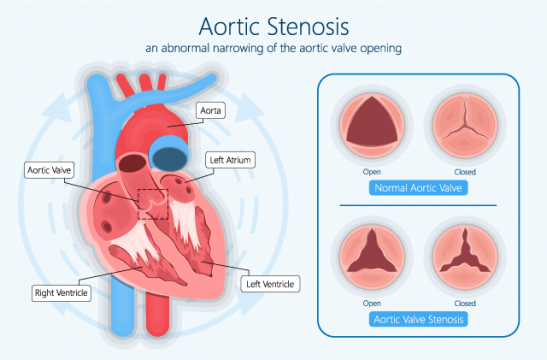
The United States Food and Drug Administration (FDA) approved TAVR for low-risk patients. However, patients with bicuspid aortic stenosis were excluded from randomized pivotal low-risk trials. This left us without information regarding this special patient subgroup.
The Low Risk TAVR (LRT) trial was a prospective, multicenter study, the first and only (so far) to be approved by the FDA to evaluate the feasibility of TAVR (with either balloon-expandable or self-expanding valve) in low-risk bicuspid aortic stenosis patients. The primary endpoint was all-cause mortality at 30 days. Baseline and follow-up echocardiography and computerized tomography scans were analyzed in an independent Core Laboratory.
Read also: Meta-Analysis of Large TAVR Studies on Low-Risk: Evidence is Consistent.
Researchers included 61 low-risk patients with bicuspid aortic valves (78.3% with Sievers type 1 morphology) who underwent TAVR at 7 centers between 2016 and 2019. Mean patient age was 68.6 years old and 42.6% of subjects were female.
At 30 days, there was zero mortality and zero disabling stroke. The pacemaker implantation rate was 13.1% and only one patient had moderate paravalvular leak.
Read also: Very Encouraging Results for TAVR in Low-Risk Patients.
Thirty-day leaflet thickening was observed through computerized tomography in 10% of patients; this was a subclinical finding in all cases. The steps to be followed after this finding are unclear, in this special population and in the classical TAVR population; we do not even know if we are supposed to look for it specifically.
Original Title: Transcatheter Aortic Valve Replacement in Low-Risk Patients with Symptomatic Severe Bicuspid Aortic Valve Stenosis.
Reference: Ron Waksman et al. JACC: Cardiovascular Interventions 2020, article in press.
Subscribe to our weekly newsletter
Get the latest scientific articles on interventional cardiology
We are interested in your opinion. Please, leave your comments, thoughts, questions, etc., below. They will be most welcome.



