






Peripheral arterial disease (PAD) is one of the consequences of atherosclerosis, and it can cause pain in the limbs or tissue loss. Its treatment includes lifestyle changes such as exercise, statin therapy, antiplatelet therapy, antihypertensive medication (mainly ACE inhibitors or ARBs), and revascularization strategy.

One in five patients with PAD will have experienced acute myocardial infarction, death, stroke, or amputation by the one-year follow-up. This is why this disease is of increasing interest, and percutaneous revascularization rates have raised in the last decade. However, this has not been reflected in guideline-directed medical therapy (GMDT), which currently lacks sufficient evidence.
The aim of this retrospective study was to evaluate the association between GMDT and mortality/amputation, and to assess the variability between different healthcare providers in the United States.
The endpoint was all-cause mortality and major amputation at two years. GMDT was defined as treatment with statins, antiplatelet agents, and antihypertensives such as ACE inhibitors or ARBs.
Researchers analyzed a total of 15,891 patients, of whom 48.8% received GMDT. A 1:1 propensity score matching (PSM) was then conducted to compare the GMDT vs non-GMDT group, with 6120 patients.
Mean patient age was 72 years old, and most subjects were male. The most frequent clinical presentation was Rutherford type 4-6, and the most affected segment was the femoropopliteal, followed by infrapatellar and aorto-iliac disease. At discharge, prescribed medical treatment was aspirin (82%), P2Y12 inhibitors (73%), statins (83%), and ACE inhibitors or ARBs (53%).
Leia também: Perviedade arterial em território femoropoplíteo com balões eluidores de droga.
The risk of all-cause mortality was higher among patients who did not receive GMDT (31.2% vs. 24.5%; hazard ratio [HR]: 1.37; 95% confidence interval [CI]: 1.25-1.50; p < 0.001). Similarly, major amputation risk was higher in the non-GMDT group vs. the GMDT group (16.0% vs. 13.2%; HR: 1.20; 95% CI:1.08-1.35; p < 0,001).
Conclusion
Half of the patients who undergo an intervention for peripheral vascular disease do not receive optimal GMDT, and this increases the risk of mortality by 40% and the risk of amputation by 20% over two years. Offering revascularization without optimal medical treatment poses a problem not only for the patient and their family, but also for the healthcare system.
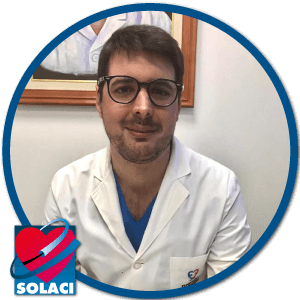
Dr. Andrés Rodríguez.
Membro do Conselho Editorial da SOLACI.org.
Título Original: Guideline-Directed Medical Therapy and Long-Term Mortality and Amputation Outcomes in Patients Undergoing Peripheral Vascular Interventions.
Referência: Kim G. Smolderen et al J Am Coll Cardiol Intv 2023;16:332–343.
Subscreva-se a nossa newsletter semanal
Receba resumos com os últimos artigos científicos



