






CAD related acute phenomena often present as a consequence of poor risk factor monitoring over time. Early detection of these patients, especially high risk patients, has significantly contributed to reducing morbimortality over time.
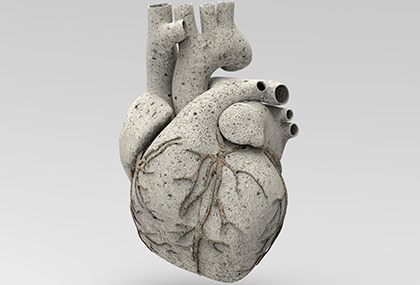
Coronary artery calcification (CAC) is considered a measure of atherosclerosis burden in and might be present in asymptomatic individuals. Most centers do test for CAC routinely, unless especially requested. However, non-electrocardiography-gated CT scans performed for other reasons might reveal the presence of CAC, even when not looking for it.
Artificial intelligence (AI) has been shown useful for medical imaging interpretation, and plays and important role in screening. The Stanford research group has developed a deep learning algorithm that uses AI to quantify incidental CAC in Non-ECG gated thoracic CT scans.
The purpose of this study was to assess whether CAC in a population with no CAD diagnosis (excluding patients with PCI, CABG or cerebrovascular disease) is related to event prediction such as mortality or major adverse cardiovascular events. (MACE).
Researchers looked at images from the Stanford Health Care System taken between 2014 and 2019, where the main indication for CT was abnormalities detection in other lung studies in 85% of cases. The DL algorithm was externally validated in six centers and showed a 93.5% positive predictive value and 95% sensitivity. Assessed outcomes included mortality, as primary end point, and a combination of death, non-fatal MI, non-fatal stroke, and coronary or peripheral revascularization as secondary end point. DL-CAC score classified patients into 3 groups: DL-CAC=0, 1-99 and ≥100.
The analyzed population consisted of 5678 patients, 50.7% women, 18% Asian and 13% Hispanic/Latin of mean age 60.5±16.2 years. 52% had DL-CAC >0, and 33.4% presented DL-CAC ≥100. Patients with higher scores were older, mostly men and with higher cardiovascular risk and more medicated. During a mean 4.8±2.7 year follow up, mortality resulted 3.87 for every 100 persons a year in the general population and 6.06 every 100 persons a year in DL-CAC ≥100 patients. .
Compared against patients with DL-CAC=0, the group scoring 1-99 had 33% more deaths, MI and stroke, with relative risk (HR)1.33 (95% CI: 1.12-1.57). In the DL-CAC ≥100 group, the impact was even higher, with 2.22 HR (95% CI: 1.95-2.53). When adjusting for mortality, the DL-CAC ≥100 group showed over 50% additional mortality risk, with HR 1.51 (CI 95% 1.28-1.79).
Conclusions
To conclude, the presence of incidental CAC, quantified as ≥100 using a deep learning algorithm, was associated to higher number of cardiovascular events and mortality. Therefore, considering these findings systemically and following protocols might contribute to the early detection of asymptomatic patients, and to reducing cardiovascular morbimortality.

Dr. Omar Tupayachi.
Member of the Editorial Board of SOLACI.org.
Original Title: Association of Coronary Artery Calcium Detected by Routine Ungated CT Imaging With Cardiovascular Outcomes.
Reference: Peng A, Dudum R, Jain S, et al. Association of Coronary Artery Calcium Detected by Routine Ungated CT Imaging With Cardiovascular Outcomes. J Am Coll Cardiol. 2023 Sep, 82 (12) 1192–1202.https://doi.org/10.1016/j.jacc.2023.06.040.
Subscribe to our weekly newsletter
Get the latest scientific articles on interventional cardiology



