






Drug eluting stent (DES) in-stent restenosis (ISR) is currently a challenging, seeing as it often requires repeat revascularization. The use of drug coated balloons (DCB) offers the advantage of delivering the drug without the need for re-stenting. This highlights the importance of the technological development of DCB, with diverse drug formulations and coating technologies. As regards DES, prior studies have shown the benefits of limus derivatives over paclitaxel. However, there are no data on whether these benefits transfer to DCBs.
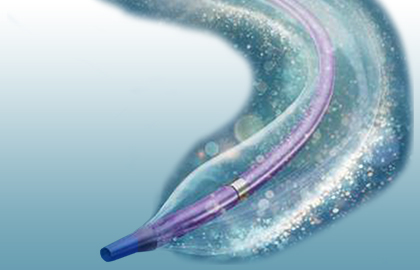
The aim of this multicenter, prospective, randomize, non-inferiority study was to look into biolimus coated balloons (BCB) for the treatment of DES ISR vs paclitaxel coated balloons (PCB).
The primary outcome was in-segment late lumen loss (LLL) at 9 months after index procedure. Secondary end points included device success, lesion success, clinical success (defined as absence of death, AMI, target vessel revascularization (TVR)), restenosis rate, target vessel failure (TVF), defined as cardiac death, target vessel MI, clinically driven TVR, and stent thrombosis.
Read also: 2 Year Outcomes of Transcatheter Mitral Valve Replacement with Intrepid.
280 patients were included, randomized into 2 groups: BCB (N=140) and PCB (N=140). Mean patient age was 64, and they were mostly men. There were no differences between groups as regards demographic and clinical data, or lesion characteristics. After 9 months, LLL rate for BCB patients was 0.23 ± 0.37mm vs 0.25 ± 0.35mm for PCB, with mean difference between groups of -0.02 (CI: −0.12 – 0.07) mm; p for non-inferiority <0.0001. At 12-month follow-up, there were no differences in clinical results between the groups.
Conclusion
This randomized study has confirmed that the new BCB for DES ISR is safe and effective, showing non inferiority at 9 months in LLL rate, with no clinical events such as AMI or stent thrombosis at 12 months. These outcomes suggest the potential use of BCB for DES in-stent restenosis.

Dr. Andrés Rodríguez.
Member of the Editorial Board of SOLACI.org.
Original Title: Biolimus-coated versus paclitaxel-coated balloons for coronary in-stent restenosis (BIO ASCEND ISR): a randomised, non-inferiority trial.
Reference: Yundai Chen MD et al EuroIntervention 2024;20:e806-e817.
Subscribe to our weekly newsletter
Get the latest scientific articles on interventional cardiology



