






Severe mitral valve insufficiency (MI) has been associated to the progressive deterioration of left ventricular function, cardiac and kidney failure, and increased mortality. Complete medical treatment at maximal doses and surgery are indicated.
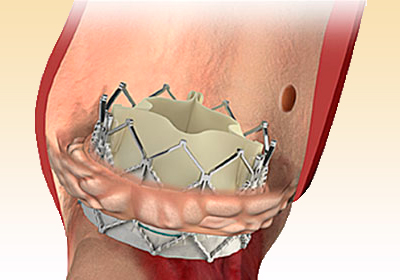
For those at high risk or those with ventricular function deterioration, edge-to-edge repair has been shown an excellent alternative.
The use of transcatheter valves has shown promising results in several studies, even though mid and long term outcomes remain unknown.
The development of specific valves for this disease is in progress, with studies showing auspicious results.
Moderate to severe MI patients at high surgical risk receiving the dedicated Intrepid (Medtronic) valve via transapical approach were included.
The study included 252 patients (95 from the pilot study and 157 from the APOLLO).
Read also: Age and Microvascular Function in Patients without Obstructive Coronary Artery Disease.
Mean age was 74 and 60% were men. Mortality STS for transcatheter valve replacement was 6.3%. 83% were in functional class III-IV, 33% had diabetes, 85% hypertension, 22% COPD, 40% PCI, 40% CABG, 13% had had a stroke, 7% TIA, 38% MI and 60% atrial fibrillation. 11% had prior valve surgery and 10% aortic valve surgery.
The most common etiology was secondary (80%).
10% presented ejection fraction <30% and 56% between 30% and 50%. At 30 days, all-cause mortality resulted 13.1% and cardiovascular 12.3%.
Time under anesthesia was 225 minutes; 9 patients required conversion to surgery (4 for apical access site complications, 4 malposition, migration or embolization and 1 for outflow tract obstruction).
Read also: Invasive Correlation (CFR – IMR) with Coronary Slow Flow.
At 30 days, all-cause mortality resulted 13.1% and cardiovascular mortality 12.3%, with 3.8% stroke, 22.3% major bleeding and 1% thrombosis. The presence of severe outflow tract obstruction was seen in only 2 patients.
AT 2-year follow-up, mortality resulted in 36.2%, re-hospitalization for cardiac failure, 36.8%, they all presented ≤ mild MI, 82% were in functional class I-II and had improved their quality of life.
Conclusion
This is the largest reported analysis on transapical transcatheter aortic valve replacement with the longest follow-up to date in patients with moderate or severe mitral insufficiency at high surgical risk. Early mortality and re-hospitalization for cardiac failure were significant, exacerbated by transapical access related bleeding; however, there was significant clinical improvement and marked severity reduction at 2-year follow-up.

Dr. Carlos Fava.
Member of the Editorial Board of SOLACI.org.
Original Title: 2-Year Clinical and Echocardiography Follow-Up of Transcatheter Mitral Valve Replacement With the Transapical Intrepid System.
Reference: Vinayak Bapat, et al. J Am Coll Cardiol Intv 2024;17:1440–1451.
Subscribe to our weekly newsletter
Get the latest scientific articles on interventional cardiology



