Courtesy of Dr. Juan Manuel Pérez.
Imaging techniques play a fundamental role in interventional cardiac procedures. Intracardiac echocardiography (ICE) appears as an alternative to transesophageal echocardiography (TEE), providing real-time images without the need for esophageal intubation, thereby enhancing patient safety and comfort. However, most previous studies have been limited and have used two-dimensional images.
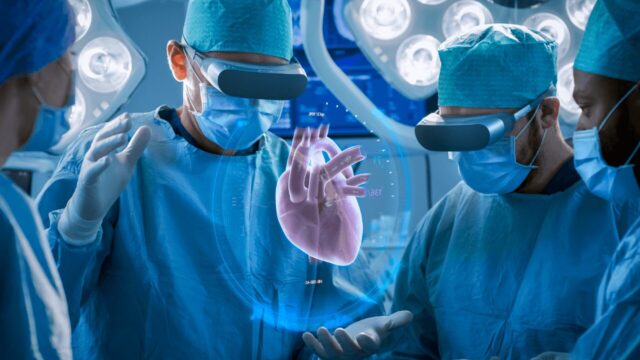
This study assesses the safety and efficacy of the VeriSight Pro 3D ICE catheter, which offers real-time three-dimensional imaging, exploring its potential as an alternative to TEE in percutaneous procedures.
This is a prospective, observational, single-arm study conducted at five centers in the U.S. between October 2021 and November 2022.
A total of 155 patients undergoing ICE-guided interventional procedures were included. The study population had a mean age of 68.1±13.2 years, and 58.4% of subjects were men. The main risk factors were hypertension (66.7%) and arrhythmia (71.6%), predominantly atrial fibrillation (87.4%).
VeriSight Pro ICE-guided procedures included ablations (32.9%), left atrial appendage occlusions (32.3%), septal defect closures (13.5%), mitral interventions (7.7%), and tricuspid interventions (7.1%), as well as other structural heart procedures (6.4%).
The primary endpoint was device safety, defined as the absence of device-related adverse events until hospital discharge or 48 hours after the procedure. Secondary endpoints included technical, clinical, and imaging success.
There were no reported adverse events or major complications. Two minor technical failures were reported, but they had no clinical impact, as they were related to the device console. The average catheter use time was 85.0±62.7 minutes, with an average fluoroscopy time of 23.9 ±15.0 minutes and a radiation dose of 473.0±615.4 mGy.
Technical success, defined as correct catheter placement and functioning, was 98.7% (95% [confidence interval] CI, 95.4%-99.8%). Clinical success, based on whether the device could facilitate the intervention without major complications, reached 94.8% (95% CI, 90.1%-97.8%). Imaging success, determined by image quality compared to reference modalities, was 96.1% (95% CI, 91.8%-98.6%).
In conclusion, the VeriSight Pro 3D ICE catheter demonstrated to be a safe and effective tool for guiding a wide variety of percutaneous cardiac procedures. Its high image quality, decreased procedure time, and decreased need for general anesthesia indicate that it is a viable alternative to TEE in structural and electrophysiological interventions, with additional benefits in terms of accessibility and risk reduction.
Original Title: Multicenter Experience With a Novel Real-Time 3-Dimensional Intracardiac Echocardiography Catheter to Guide Interventional Cardiac Procedures.
Reference: Alkhouli M, et al. J Am Heart Assoc. 2025;14:e037019.
Subscribe to our weekly newsletter
Get the latest scientific articles on interventional cardiology