






In recent years, technological advances and increased operator experience have significantly contributed to improve transcatheter aortic valve replacement (TAVR) clinical and procedural outcomes.
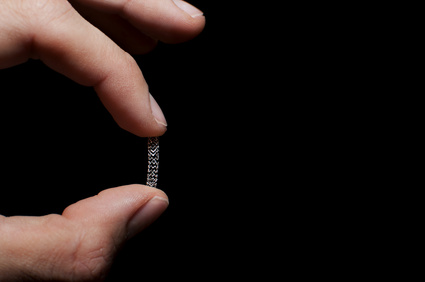
At present, intra-annular self-expanding (SEV) and balloon expandable (BEV) valves are being used. New generations transcatheter heart valves (THV) have recently been developed: the SE Navitor (NAV) (Abbott) and the BE SAPIEN 3 Ultra (ULTRA) (Edwards Lifesciences). They have both shown promising results vs their prior versions. However, to date, these two prosthetic valves had not been compared directly.
The aim of this multicenter study was to compare NAV vs. ULTRA clinical and echocardiographic outcomes at 30 days and one year.
The primary outcome was all-cause mortality, and a composite of all-cause death, stroke and readmission for cardiac failure (CF) at one year.
The total study population included 3,878 patients; 1,746 were treated with NAV and 2,176 with ULTRA. Propensity score matched 1,363 pairs. Mean age was 81, and they were mostly women. Mean STS score was 4.01, and approximately half of patients were in NYHA functional class III or IV.
After one year, all-cause mortality rate was 9.7 % for NAV and 9.9 % for ULTRA patients (p = 0.585). Likewise, there were no significant differences in the combined primary end point (13.6 % for NAV and 12,6 % for ULTRA; p = 0.218). However, new permanent pacemaker implantation rate was higher among NAV patients (20.6 % vs. 10.6 %; p < 0.01), as was readmission for CF (4.6 % vs. 2.8 %; p < 0.05). After one year, the use of NAV was associated with higher incidence of mild paravalvular leak (OR: 1.53; CI 95 %: 1.01–2.33; p < 0.05), though with lower mean transprosthetic gradients vs ULTRA (p < 0,01).
Conclusion
NAVULTRA has shown that, in patients undergoing TAVR with NAV and ULTRA, all-cause mortality rate and the combined end point of mortality, CR readmission or disabling stroke at one year, were comparable. However, there were differences in secondary end points and valve hemodynamic performance. These findings support the need for dedicated randomized studies directly comparing both intra-annular devices.
Original Title: Transcatheter Aortic Valve Replacement With Intra-Annular Self-Expanding or Balloon-Expandable Valves The Multicenter International NAVULTRA Registry.
Reference: Stefano Cannata, MD et al JACC Cardiovasc Interv. 2025; 18:1557–1568.
Subscribe to our weekly newsletter
Get the latest scientific articles on interventional cardiology



.)