






Despite the expansion of transcatheter aortic valve implantation (TAVI) indications, cardiac conduction disturbances (CCD) and the need for permanent pacemaker implantation (PPI) remain the most common complications associated with the procedure, with reported incidences ranging from 13% to 17%. Given that a significant proportion of these conduction abnormalities are transient, it has been hypothesized that local inflammation and tissue edema resulting from the mechanical trauma of valve implantation play a key role in their development. In this context, the GLUCO-TAVI study, a single-center, prospective, randomized trial, evaluated the feasibility, safety, and preliminary efficacy of a glucocorticoid regimen to reduce these complications.
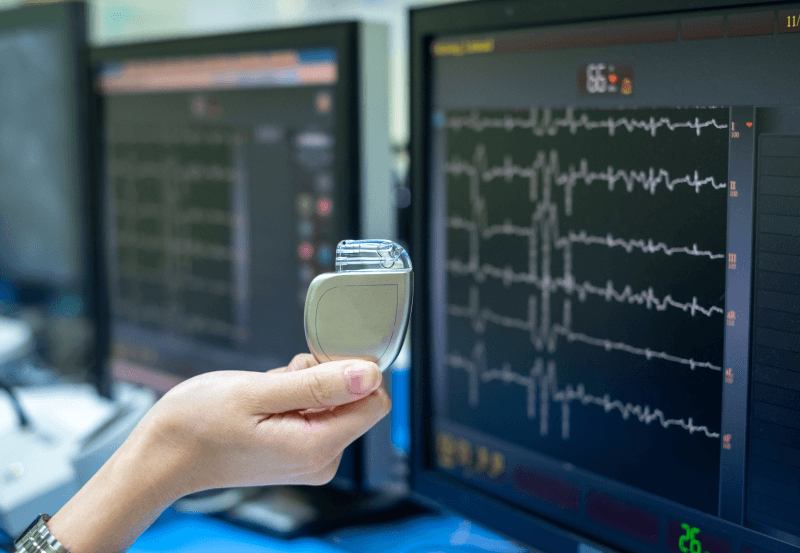
A total of 100 patients with severe aortic stenosis eligible for TAVI (≥75 years of age or unsuitable for surgery) were randomized to either an intervention group (n=50), treated with intravenous methylprednisolone (7 mg/kg one hour before the procedure) followed by oral prednisone (15 mg every 12 hours for five days), or a control group (n=50), which received standard care.
The primary endpoint was the incidence of permanent pacemaker implantation at one month after the procedure.
Regarding the results, a numerical 50% reduction in the relative risk of permanent pacemaker implantation was observed in the glucocorticoid group at one month (8% vs. 16%; RR 0.50; 95% CI: 0.16–1.55; p=0.23). This trend persisted at 12 months of follow-up (12% vs. 18%; p=0.41).
In addition, the intervention group showed a significant attenuation of the systemic inflammatory response, evidenced by a mean increase in C-reactive protein (CRP) of only 0.14 mg/L compared with 1.62 mg/L in the control group (p<0.001). Among patients who did not require pacemaker implantation, glucocorticoid treatment was associated with a significant reduction in QRS duration at 30 days compared with the control group (−14.2 ms vs. +9.3 ms; p=0.013).
Read also: EuroPCR 2026 | TAVI in Women: Do Supra-Annular Valves Offer a True Hemodynamic Advantage?
No significant differences were observed in the incidence of new left bundle branch block (LBBB), although the rate of LBBB resolution was numerically higher in the glucocorticoid group (63.2% vs. 47.1%).
In terms of safety, the regimen was well tolerated and no major safety concerns were identified. There were no significant differences in one-year mortality (12% in the intervention group vs. 4% in the control group; p=0.27), with deaths in the treatment arm being attributable to non-cardiovascular causes during follow-up. Major vascular and bleeding complications were comparable between groups. Only three minor corticosteroid-related adverse events were reported: one case of hyperglycemia and two episodes of mild heart failure decompensation.
Conclusions | Glucocorticoids After TAVI: A Promising Strategy to Reduce Permanent Pacemaker Implantation
The GLUCO-TAVI study demonstrates that a short course of glucocorticoids is a feasible and safe strategy in patients undergoing TAVI. Although the 50% reduction in permanent pacemaker implantation did not reach statistical significance due to the limited sample size, the findings support the hypothesis that modulation of the inflammatory response may reduce conduction disturbances and the need for pacemaker implantation following the procedure. These results warrant larger multicenter trials to confirm the clinical benefit of this strategy before its routine implementation in clinical practice.
Original Title: Glucocorticoids for Reducing Pacemaker Implantation After TAVI: The GLUCO-TAVI Trial.
Reference: Laura Fuertes-Kenneally et al EuroIntervention 2026;22:545-554.
Subscribe to our weekly newsletter
Get the latest scientific articles on interventional cardiology



, los trastornos de la conducción cardíaca (TCC) y la necesidad de implante de marcapasos permanente (MPP) continúan siendo las complicaciones más frecuentes del procedimiento, con incidencias reportadas entre el 13% y el 17%.)