






The second day of the SOLACI-SOCIME 2025 Congress delivered a rich and dynamic scientific agenda, consolidating the event as one of the most important interventional cardiology gatherings in Latin America. Throughout the day, attendees engaged in multiple sessions addressing the latest advances in coronary and structural interventions, with a special focus on complex procedures and emerging technologies applied to clinical practice.
From the early hours, joint sessions with prestigious international institutions such as Cleveland Clinic, WIN, EuroPCR, TCT, SCAI, and Miami Valves enriched the exchange of experiences and global perspectives on cardiovascular disease treatment. These sessions focused on optimizing procedures for complex lesions, image-guided interventions, strategies for chronic total occlusions, and modern approaches to valvular heart disease.
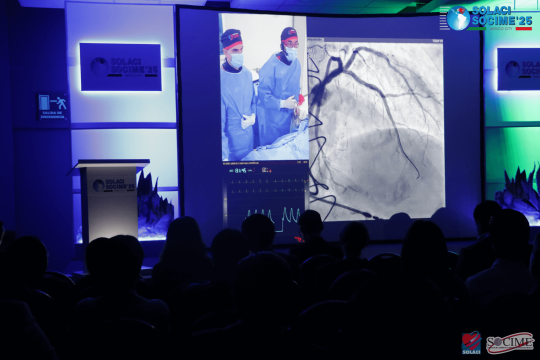
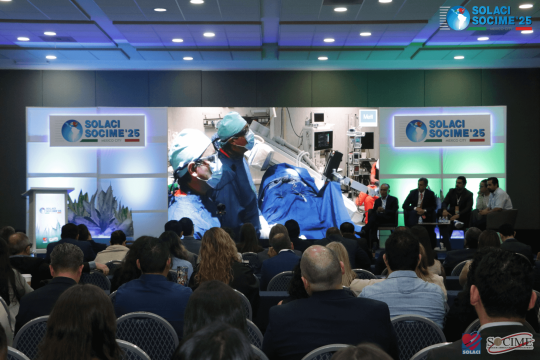
Live cases were once again a major highlight of the day. Broadcast from renowned hospitals—including Hospital Siglo XXI and CMN La Raza—they showcased cutting-edge techniques in structural and coronary interventions in real time. These demonstrations were accompanied by discussions and analyses from international experts, encouraging debate on decision-making strategies in highly complex clinical scenarios.
Additionally, edited Live-in-a-box cases brought unique scientific value, allowing for a dynamic and detailed review of complex procedures. This format facilitated clinical decision discussions, result analyses, and technique comparisons among different operators.
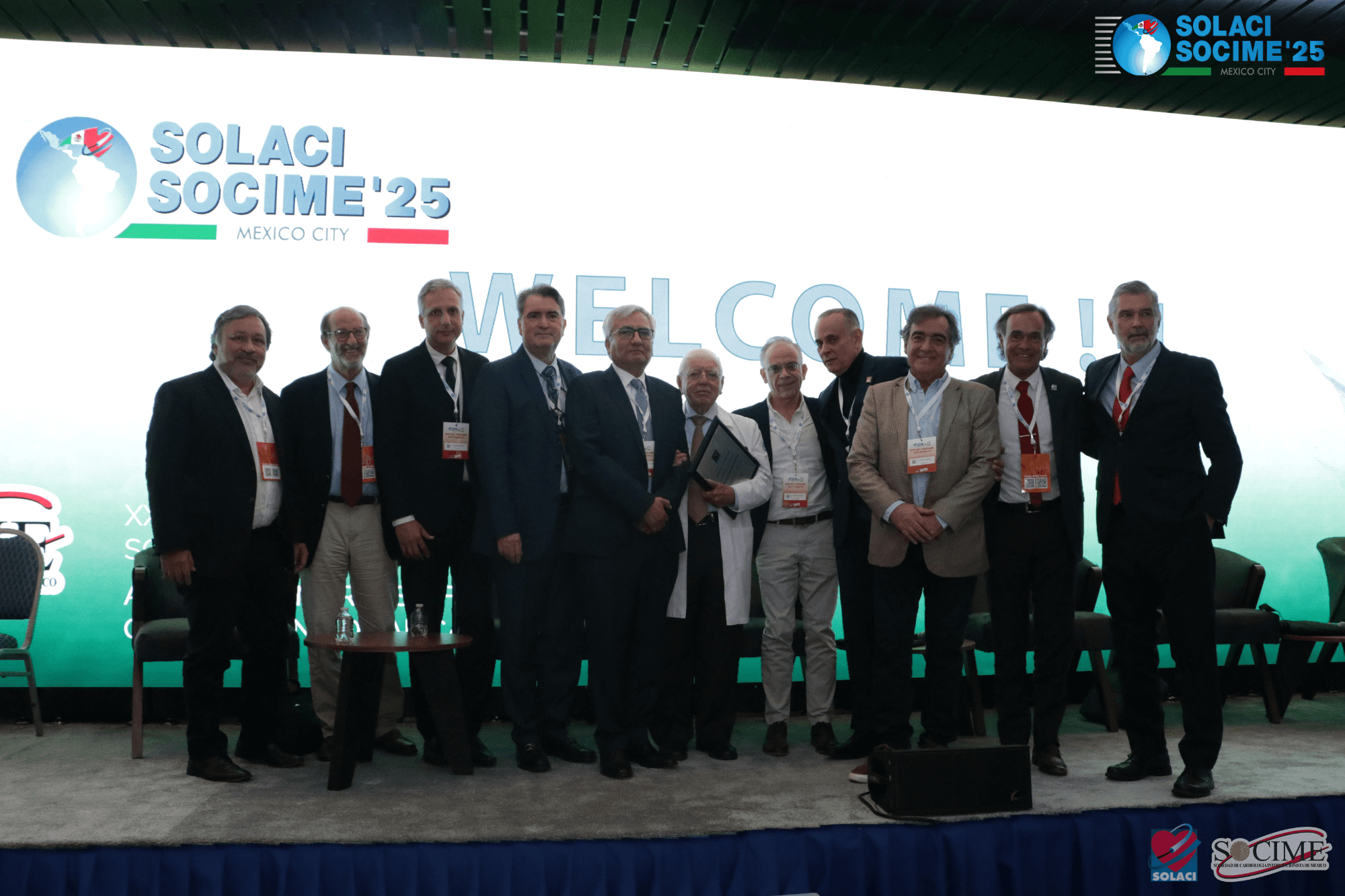
Keynote lectures offered insights into the future challenges of the specialty, including improving outcomes in complex procedures, preventing complications in structural interventions, and personalizing therapies for high-risk patients. The Eduardo Souza Award was also presented to Dr. Marco Antonio Martinez Rios, recognizing his professional trajectory and his status as a key figure in Latin American interventional cardiology.
The Lunch Symposium sessions provided interactive updates where specialists explored innovations in mechanical thrombectomy, new strategies for treating tricuspid insufficiency, and advances in coronary and pediatric interventions. These dynamic sessions fostered direct dialogue between experts and participants, making them an essential complement to the scientific program.
Among the high-impact sessions, LATAM Bif stood out, dedicated to coronary bifurcation PCI in complex left main lesions and featuring data from the Latin American Coronary Bifurcation Registry; CHIP LATAM-SOLACI, focused on high-risk and complex interventions; and MIL-SOLACI, centered on equity and diversity in interventional cardiology, highlighting the need to promote greater female participation and leadership in the specialty. Additionally, the traditional SOLACI Sessions addressed challenges in implementing TAVI programs across different Latin American countries, providing a strategic vision for the future development of this therapy in the region.
The Pediatrics Hall also had a busy schedule, with sessions on stenting techniques for congenital heart disease, a live international case from Argentina, and discussions on new generations of percutaneous valves. These activities emphasized the importance of personalizing interventions for pediatric patients and sharing experiences among leading global experts.
Meanwhile, the Technicians and Nurses Hall hosted a comprehensive program of workshops and lectures on technological innovations, auxiliary devices, and specialized hemodynamics care. While these sessions had a more specific focus, they significantly contributed to updating the multidisciplinary teams that support complex procedures.
With massive attendance and participation from over a hundred national and international experts, Day 2 of SOLACI-SOCIME 2025 reaffirmed the medical community’s commitment to scientific excellence, international collaboration, and continuous improvement in the treatment of cardiovascular diseases.
Subscribe to our weekly newsletter
Get the latest scientific articles on interventional cardiology



