






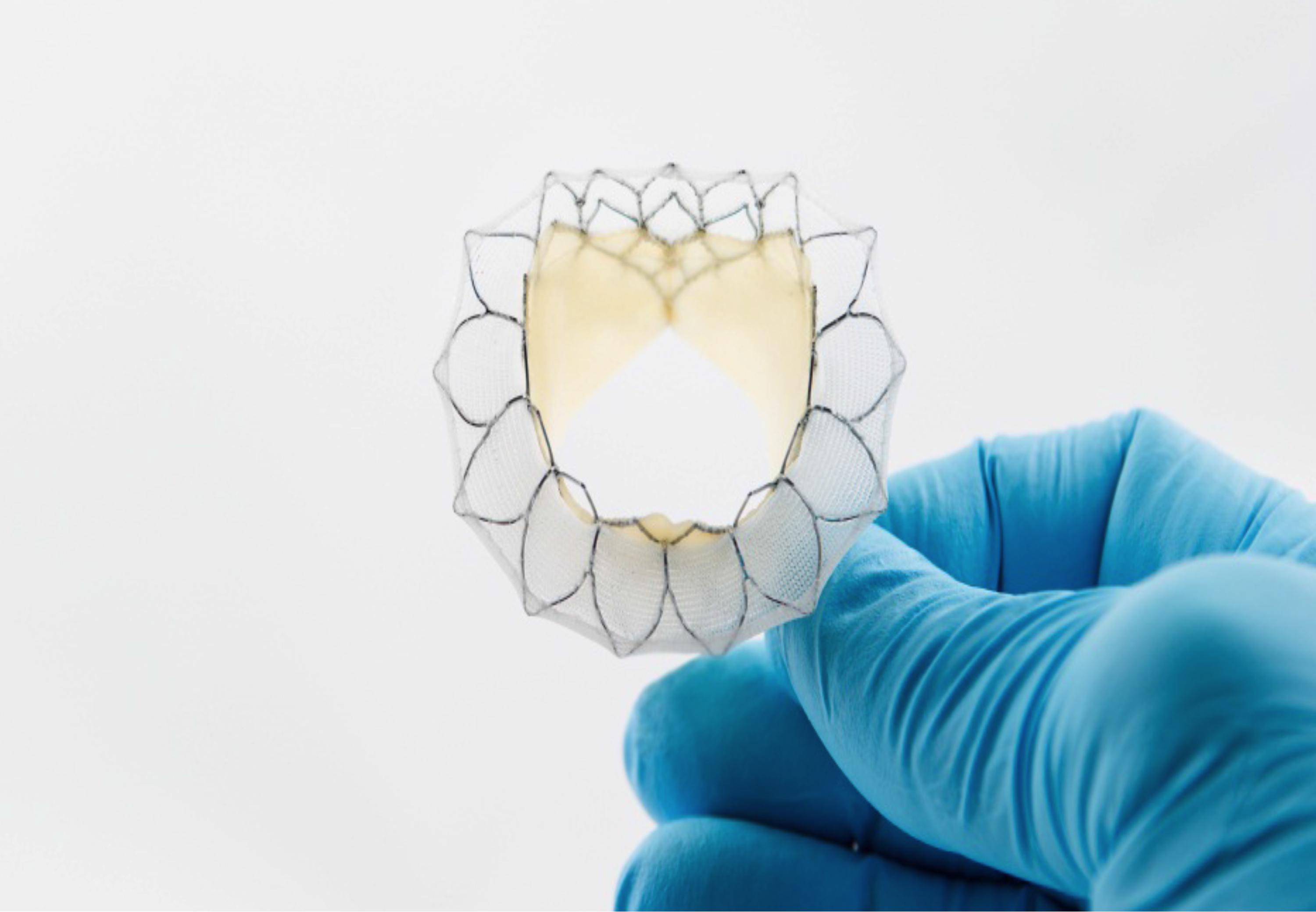
 Symptomatic mitral regurgitation is associated with high morbidity and mortality that can be alleviated partly by surgical mitral valve replacement. However, many patients do not undergo surgery. Transcatheter mitral valve replacement is an appealing option for this selected patient group.
This study aimed to examine the effectiveness and safety of transcatheter mitral valve replacement in a cohort of patients with native valve mitral regurgitation and high surgical risk.
Patients undergoing transapical transcatheter mitral valve replacement with a self-expanding prosthesis were prospectively enrolled and their short-term (30-day) outcomes were assessed.
Thirty high-surgical-risk patients (STS predicted risk of mortality score of 7.6 ± 5.7%) with grade 3 or 4 mitral regurgitation received the device, and there was successful implantation in 28 of them (93.3%).
There were no deaths, strokes, or peri-procedural infarctions. One patient died at 13 days from a hospital-acquired infection. One patient presented leaflet thrombosis that was resolved by increasing the range of anticoagulation with warfarin.
At 30 days, an echocardiography showed mild regurgitation in 1 patient, and absolutely none in the remaining 26 patients. There was also a significant reduction in the left ventricular end-diastolic and end-systolic volume indexes.
Seventy-five percent of the patients reported mild or no symptoms at follow-up.
Successful device implantation free of mortality, stroke, and prosthesis malfunction was 86.6%.
Conclusion
Transcatheter mitral valve replacement is an effective and safe therapy for selected patients with severe mitral regurgitation and high surgical risk.
Original title: Transcatheter Mitral Valve Replacement for Patients with Symptomatic Mitral Regurgitation. A Global Feasibility Trial.
Reference: David W.M. Muller et al. J Am Coll Cardiol. 2016 Dec 20. [Epub ahead of print].
Subscribe to our weekly newsletter
Get the latest scientific articles on interventional cardiology
We are interested in your opinion. Please, leave your comments, thoughts, questions, etc., below. They will be most welcome.



