



Cardiology in Times of Coronavirus: The Perfect Storm

Since January 2020, the COVID-19 infection has spread from China to the rest of the world. The clinical picture has several points in common with influenza, being mild or asymptomatic in most cases. However, around 15% of cases shows complications with interstitial pneumonia that can lead to respiratory failure.
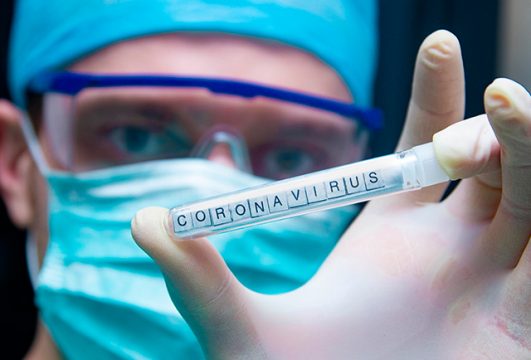
Coronavirus

Given the lack of vaccine or specific treatment, we are left with only two options: giving vital support including mechanical ventilation or even extracorporeal membrane oxygenation (at the risk of collapsing the healthcare system) or trying or contain the spreading with drastic (and obnoxious) measures such as lockdown. 

Most centers and healthcare systems in the world are not prepared to handle the abrupt and massive bed demand necessary to treat acute severe respiratory failure. 

This emergency has progressively involved cardiologists, since facing overflowed ICUs requires cardiology units to give up their beds. 


Read also: Cath Lab Management Protocol for the COVID-19 Outbreak.


The reorganization has left the “classic” cardiology patients nowhere to go. This situation has been made clear with the cancellation of practically all surgical and transcatheter procedures that had been programmed. 

The crisis is acute and too recent for us to be able to come up with effective solutions in the short term. At the end of the day, all our concerns about cardiology are set aside when compared against the need to help COVID patients in trying to control the pandemic. 

Only a sound mind and body will enable cardiologists to face consequences head on (beyond facemasks and clean hands) and help us navigate the perfect storm. 

Original Title: The Cardiologist at the time of Coronavirus: a perfect storm.

Reference: Claudio Rapezzi y Roberto Ferrari.  European Heart Journal 2020, 41(13), 1320–1322.


Subscribe to our weekly newsletter

Get the latest scientific articles on interventional cardiology

We are interested in your opinion. Please, leave your comments, thoughts, questions, etc., below. They will be most welcome.


More articles by this author

Coronary Obstruction During TAVI: A New Volumetric Index to Consider

Coronary obstruction during TAVI is an uncommon but potentially catastrophic complication, particularly in valve-in-valve procedures, in anatomies with small sinuses of Valsalva, low coronary...

EARLY TAVR: Impact of Age on Outcomes of Early TAVR in Asymptomatic Patients

Asymptomatic severe aortic stenosis represents an increasingly common clinical challenge. Although current guidelines recommend intervention once symptoms develop or left ventricular dysfunction occurs, concerns...

Plaque Ruptures in Non-Culprit Arteries: Follow-Up With Intravascular Imaging

Plaque rupture remains one of the most important pathophysiological mechanisms in acute coronary syndromes. However, not all ruptures manifest clinically as ischemia, myocardial infarction,...

Drug-Eluting Stents in Peripheral Arterial Disease: When Should They Be Used?

Peripheral drug-eluting stents have transformed the treatment of peripheral arterial disease by reducing restenosis rates and the need for repeat interventions. However, the emergence...

LEAVE A REPLY

Please enter your comment!
Please enter your name here

Related Articles

SOLACI Sessionsspot_img
Jornadas Guatemala 2026

Recent Articles

Coronary Obstruction During TAVI: A New Volumetric Index to Consider

Coronary obstruction during TAVI is an uncommon but potentially catastrophic complication, particularly in valve-in-valve procedures, in anatomies with small sinuses of Valsalva, low coronary...

EARLY TAVR: Impact of Age on Outcomes of Early TAVR in Asymptomatic Patients

Asymptomatic severe aortic stenosis represents an increasingly common clinical challenge. Although current guidelines recommend intervention once symptoms develop or left ventricular dysfunction occurs, concerns...

Plaque Ruptures in Non-Culprit Arteries: Follow-Up With Intravascular Imaging

Plaque rupture remains one of the most important pathophysiological mechanisms in acute coronary syndromes. However, not all ruptures manifest clinically as ischemia, myocardial infarction,...
