






Patients with chronic kidney disease (CKD) undergoing coronary angiography are at increased risk of developing contrast-associated acute kidney injury (CA-AKI), which is associated with increased mortality. According to current guidelines, the standard treatment for preventing CA-AKI in patients with moderate to severe CKD is long-duration peri-procedural intravenous hydration with saline solution.
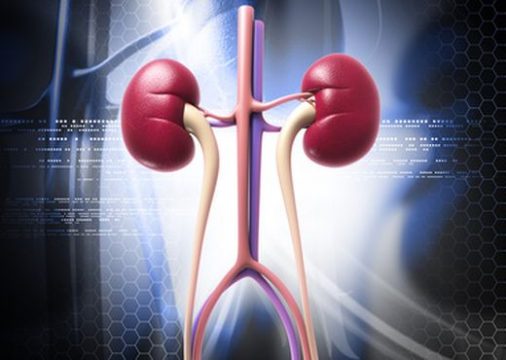
This standard hydration is carried out from 12 hours before to 24 hours after the procedure. However, recent studies have suggested that short-duration hydration, using the RenalGuard system or guided by left ventricular end-diastolic pressure, could be a safe option.
The aim of this randomized controlled multicenter study was to assess whether simplified hydration (SH) was non-inferior to standard hydration for the prevention of CA-AKI in high-risk CKD patients undergoing elective coronary angiography or percutaneous coronary intervention (PCI).
The primary endpoint was the incidence of CA-AKI, defined as an increase of at least 25% or an absolute increase of 0.5 mg/dL in serum creatinine levels during the first 48-72 hours after the procedure. The secondary endpoint included different definitions of CA-AKI; major adverse cardiovascular events (MACE) defined as all-cause mortality, non-fatal myocardial infarction, and rehospitalization; changes in glomerular filtration rate; persistent contrast-induced renal injury; and hospitalization costs. Additionally, the occurrence of acute heart failure after the procedure during hospitalization was established as the safety endpoint.
Out of 1,002 patients, 501 were randomly assigned to the SH group and the other 501 to the control group. The average age was 69 years, and most subjects were men. The mean baseline estimated glomerular filtration rate (eGFR) was 45.8 ± 11.7 mL/min/1.73 m2, and the average contrast volume was 115 mL, with no significant differences between the two groups. The total duration of hydration in the control group was four times longer than in the SH group (25 vs. 6 hours; p <0.001).
Read also: TAVR Durability at 5 Years in Intermediate Risk Patients.
Regarding the results, the overall incidence of CA-AKI was 7.3%, with a rate of 6.2% in the SH group and 8.4% in the control group (risk ratio [RR]: 0.8; 95% confidence interval [CI]: 0.5-1.2; p = 0.216). There were no significant differences between the two groups in the secondary endpoint.
Conclusion
The simplified hydration protocol was shown to be non-inferior to the standard hydration protocol in preventing CA-AKI in CKD patients undergoing coronary angiography. Furthermore, SH did not increase the risk of heart failure. Further studies are needed to evaluate the effect of CA-AKI prevention in patients with severe coronary lesions or emergency PCI.
Dr. Andrés Rodríguez.
Member of the Editorial Board of SOLACI.org.
Original Title: Simplified Rapid Hydration Prevents Contrast-Associated Acute Kidney Injury Among CKD Patients Undergoing Coronary Angiography.
Reference: Yong Liu, MD, PHD et al J Am Coll Cardiol Intv 2023;16:1503–1513.
Subscribe to our weekly newsletter
Get the latest scientific articles on interventional cardiology



