






In some countries, transcatheter aortic valve implantation (TAVI) has become the treatment of choice for patients with severe symptomatic aortic stenosis. Primary transfemoral access is widely used due to its low complication rates. However, secondary access is necessary to complete the procedure for pigtail catheter positioning and aortic angiography. This typically involves the contralateral femoral artery.
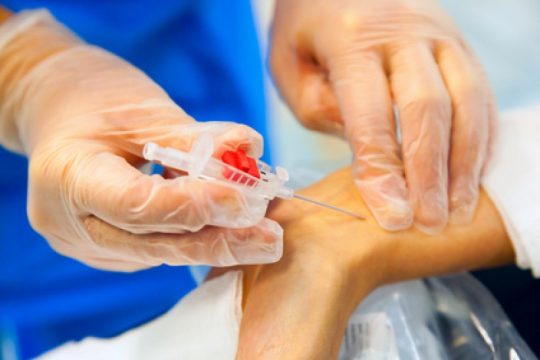
This secondary access entails some risk, as vascular complications such as bleeding or pseudoaneurysms can increase the likelihood of cardiovascular events and the length of hospital stay. Consequently, using the radial artery as secondary access has emerged as a potentially safer alternative.
Comparing Secondary Access Approaches: Results from the PULSE Registry
The team led by Grundmann et al. assessed these strategies through the multicenter PULSE registry, which included data from 10 high-volume TAVI centers in Germany.
The analysis included 8851 patients treated with transfemoral TAVI, of whom 1686 (19%) used a transradial secondary access (TR-SA) and 7165 (81%), a transfemoral secondary access (TF-SA). The choice was left at the operator’s discretion. For TF-SA cases, closure devices (Angio-Seal) were used in all instances.
Read also: ROUTE TRAIL: DKCRUSH vs. DKRUSH Culotte in Non-Left Main Bifurcation Lesions.
Researchers evaluated events at 30 days. The primary endpoint (PE) was the incidence of vascular complications related to secondary access (major and minor). Secondary outcomes included the management of these complications and vascular complications associated with primary access.
In 19% of cases, secondary access was transradial (TR-SA), while 81% used transfemoral secondary access (TF-SA). The average patient age was 82 years, with a mean STS-PROM of 3.4%; 49.1% of subjects were women. Baseline characteristics were adjusted using propensity analysis, though differences between groups remained. For instance, the TR-SA group showed a higher prevalence of atrial fibrillation (47.9% vs. 41.4%; P = 0.044) and moderate or severe access calcification (56.7% vs. 39.2%; P <0.001).
Regarding valve selection, balloon-expandable valves were more frequently used in the TR-SA group (61.2% vs. 36.0%; P <0.001). Protamine reversal was more common in the TF-SA group (37.3% vs. 89.4%; P <0.001), while contrast use and fluoroscopy time were higher in the TR-SA group.
Vascular complications from secondary access occurred in 0.3% of TR-SA cases and 3.2% of TF-SA cases (P <0.001). Major complications were reported at rates of 0.2% for TR-SA and 1.5% for TF-SA; bleeding (0.2% vs. 1.5%; P <0.001) and pseudoaneurysm (0.1% vs. 1.5%; P <0.001) were the most common issues. Additionally, 66 TF-SA cases required surgical repair.
Regarding primary access complications, there were no significant differences between the groups. However, type III or IV bleeding (2.5% in TR-SA vs. 4.7% in TF-SA; P <0.001) and acute kidney injury (1.2% vs. 2.7%; P <0.001) were more frequent in the TF-SA group. This resulted in longer hospital stays (median: 6.0 days vs. 7.0 days [Q1-Q3: 6.0–10.0 days]) and higher mortality rates (2.6% vs. 6.6%; P <0.001) for the TF-SA group.
Conclusion: Transradial Approach for Secondary Access in TAVI
Findings from this PULSE registry analysis highlight that transradial secondary access is associated with a lower incidence of vascular complications and bleeding, as well as reduced need for surgical intervention and shorter hospital stays. These results support choosing the radial artery as a safe and effective alternative to transfemoral secondary access.
Original Title: Femoral or Radial Secondary Access in TAVR: A Subanalysis From the Multicenter PULSE Registry.
Reference: Grundmann D, Kim W, Kellner C, Adam M, Braun D, Tamm AR, Meertens M, Hamm CW, Bleiziffer S, Gmeiner J, Sedaghat A, Leistner D, Renker M, Wienemann H, Charitos E, Linnemann M, Zapustas N, Juri B, Salem M, Dreger H, Goßling A, Nahif A, Conradi L, Schofer N, Schäfer A, Popara J, Sudo M, Potratz M, Geyer M, Vorpahl M, Frank D, Rudolph TK, Seiffert M. Femoral or Radial Secondary Access in TAVR: A Subanalysis From the Multicenter PULSE Registry. JACC Cardiovasc Interv. 2024 Dec 23;17(24):2923-2932. doi: 10.1016/j.jcin.2024.09.020. PMID: 39722273.
Subscribe to our weekly newsletter
Get the latest scientific articles on interventional cardiology



