Original Title: The Electrocardiogram after Transcatheter Aortic Valve Replacement Determines the Risk for Post-Procedural High-Degree AV Block and the Need for Telemetry Monitoring
Reference: J Am Coll Cardiol Intv. 2016;9(12):1269-1276.
Courtesy of Dr. Agustín Vecchia.
 So far, we have not been able to determine the moment high degree atrioventricular block (AVB) takes place after transcatheter aortic valve replacement (TAVR) or what its predictors are.
Because of excellent outcomes in randomized studies and its use in patients of higher and higher risk, hospitalization times have become significantly sorter and new protocols, more cost-effective and convenient for patients, have been implemented.
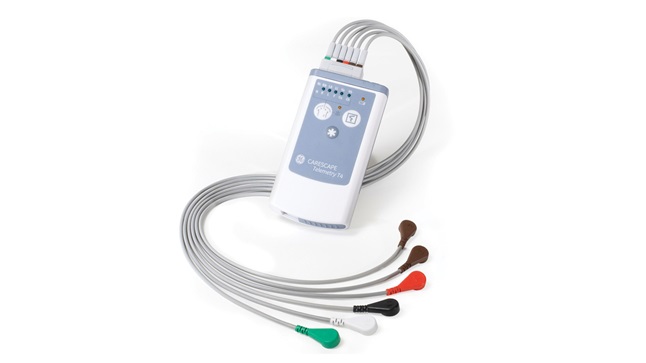
Even so, late AVB is still a dreaded complication of TAVR, which is why patients are usually monitored up to 48 hours after valve implantation.
At present, there is no evidence to determine optimal telemetry monitoring duration or whether we need to apply it to all patients.
The present study included 1,064 consecutive patients undergoing TAVR in 3 centers in Switzerland. Researchers used CoreValve (48%) and SAPIEN XT or 3 (31% and 21% respectively). Patients with prior pacemaker implantation were excluded. Mean age was 82±7 years and 52% were women. Procedures were done via:
- Transfemoral in 92% of cases.
- Transapical in 6% of cases.
- Direct aortic or trans-axillary in 2% of cases.
In most patients, there was no high-degree AVB (n = 901, 85%), 92 patients (9%) developed high degree periprocedural AVB and 71 patients (7%) developed late high degree AVB (up to 8 days after procedure).
High degree AVB was more frequent with CoreValve (68% of periprocedural high degree AVB) than with balloon expandable valves.
In multivariable analyzis, high degree AVB was more frequent in men (OR: 2.4, 95% CI: 1.3 to 4.5; p < 0.01) and in patients that developed conduction disorders immediately after procedure (OR: 10.8; 95% CI: 4.6 to 25.5; p < 0.01).
No patient with sinus rhythm and no pre or post TAVR conduction disorder had late high degree AVB (0 of 250, 0%).
Conclusion
The authors have concluded that this last group of patients may not require telemetry monitoring, while all the rest should be monitored until ECG is stable for 48 hrs. These outcomes should be validated by other cohort studies.
Editorial Comment
The main findings of this observational study done on a significant number of patients can be summarized as follows:
– The absence of prior or periprocedural conduction disorders is of high negative predicting value (99.7%) of more serious conduction disorders. This is true both for patients with sinus rhythm and patients with atrial fibrillation and good ventricular response. These patients would not require extended telemetry monitoring and could be discharged earlier. However, we should bear in mind only one fourth of patients had sinus rhythm with no post procedure conduction disorders, which limits this conclusion.
– Most patients developing third degree AVB, did so within 48 hrs. after implantation. Only 2.3% of patients developed AVB between days 3 and 8 post implantation, which suggests it would not be necessary to extend monitoring any father.
Courtesy of Dr. Agustín Vecchia. Hospital Alemán, Buenos Aires, Argentina.
We value your opinion. You are more than welcome to leave your comments, thoughts, questions and suggestions here below.