






Courtesy of Dr. Guillermo Migliaro.
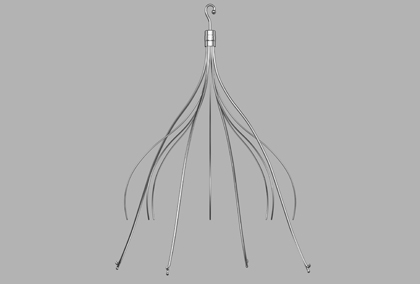 At present, there is no clear evidence in favor of inferior vena cava filters (IVC) for patients developing recurrent symptomatic venous thromboembolism (VTE), and the existing guideline recommendations from the different societies are contradicting.
The aim of this study was to assess the effectiveness of these devices in patients with recurrent VTE on anticoagulant therapy. The study incorporated patients with IVC filters for recurrent venous thromboembolism in the first three months of anticoagulant therapy from the RIETE registry (Registro Informatizado de la Enfermedad Tromboembólica) and locked at mortality outcomes 30 days after diagnosis, as follows:
- all cause
- pulmonary embolism related
- second recurrent venous thromboembolism episode
- major bleeding
Among 17 patients treated with filters and 49 matched patients treated without filters for VTE recurrence that presented as deep vein thrombosis, propensity score matching showed no significant differences in mortality (17.7% vs. 12.2%; p = 0.56).
When recurrent thromboembolism presented as pulmonary embolism (48 with VCF and 91 matched patients treated without VCF) there was a significant reduction in all-cause mortality: 2.1% vs. 25.3%; p = 0.02).
Pulmonary embolism related mortality was not significantly lower in the VCF group (2.1% vs. 17.6%; p = 0.08).
The authors concluded that, during the first three months of anticoagulation therapy, VCF placement in patients with recurrent VTE was associated to a benefit in survival rate in patients presenting pulmonary embolism..
Editorial Comment
Surprisingly, there is little evidence on inferior vena cava filters in patients with recurrent thromboembolism. The study sheds some light on a scarcely studied matter. The number of patients is small and the cause behind recurrent thromboembolism has not yet been determined and, although VCFs seem to be somewhat beneficial for patients with pulmonary embolism, the evidence is not enough for us to advocate for filters.
Courtesy of Dr. Guillermo Migliaro. German Hospital, Buenos Aires, Argentina.
Original Title: Outcomes Associated with Inferior Vena Cava Filters among Patients with Thromboembolic Recurrence During Anticoagulant Therapy.
Reference: M Mellado et al. JACC Cardiovasc Interv. 2016 Nov 3.
Subscribe to our weekly newsletter
Get the latest scientific articles on interventional cardiology
We are interested in your opinion. Please, leave your comments, thoughts, questions, etc., below. They will be most welcome.



