






Frailty is the patient’s diminished capacity to recover after pathological or iatrogenic processes. It has a fundamental role when considering valve replacement, be it surgical (SAVR) or transcatheter (TAVR).
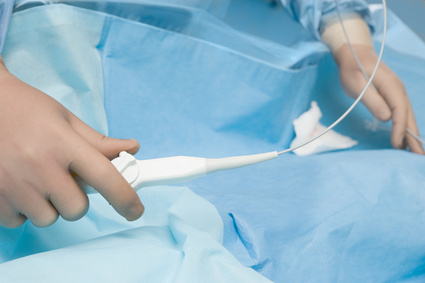
This was clearly observed in the PARTNER I and Core-Valve Pivotal trials, which showed that despite a 95% technical success, 2 in 5 patients showed poor quality of life after procedure.
To optimize patient selection, guidelines recommend assessing frailty. The problem is there is no consensus as to how to do this, which is why, in the everyday practice, it is left to operators’ criteria, who rely on first impressions (subjective, to say the least).
Also read: “Incomplete Revascularization Associated to Mortality in TAVR”.
There are multiples scales and parameters that can be used; however, they have not yet been compared against each other in this context.
This study compared the predictive value of 7 different frailty scales to predict adverse outcomes after SAVR and TAVR.
1020 patients, mean age 82, undergoing SAVR or TAVR were prospectively included. The following scales were used for frailty assessment: Fried, Fried +, Rockwood, Short Physical Performance Battery, Bern, Columbia and Essential Frailty Toolset (EFT). Events of interest were all cause mortality and disability at one year after procedure.
Also read: “TAVR: Clinical Evidence of Long Term Durability of Prosthetic Valves”.
The different measuring instruments showed different frailty prevalence, which varied between 26% and 68%. This huge discrepancy illustrates the differences between these frailty assessment scales.
Frailty as measured with the EFT test was the strongest predictor of death (OR: 3.72; CI 95%: 2.54 to 5.45) and disability at one year (OR: 2.13; CI 95% CI: 1.57 to 2.87).
Frailty is clearly a risk factor for death and disability after aortic valve replacement, be it surgical or transcatheter.
Conclusion
Frailty as measured with the EFT test is the best predictor of death after TAVR or SAVR, and it is based on only four items (limb weakness, cognitive impairment, anemia and hyperalbuminemia), which is what makes it so friendly for the daily clinical practice.
Original title: Frailty in Older Adults Undergoing Aortic Valve Replacement. The FRAILTY-AVR Study.
Reference: Jonathan Afilalo et al. J Am Coll Cardiol 2017, Article in press.
Get the latest scientific articles on interventional cardiologySubscribe to our weekly newsletter
We are interested in your opinion. Please, leave your comments, thoughts, questions, etc., below. They will be most welcome.



