



The Best of the SOLACI-SOCIME 2022 Main Arena: Complex PCI Guided by Intravascular Imaging

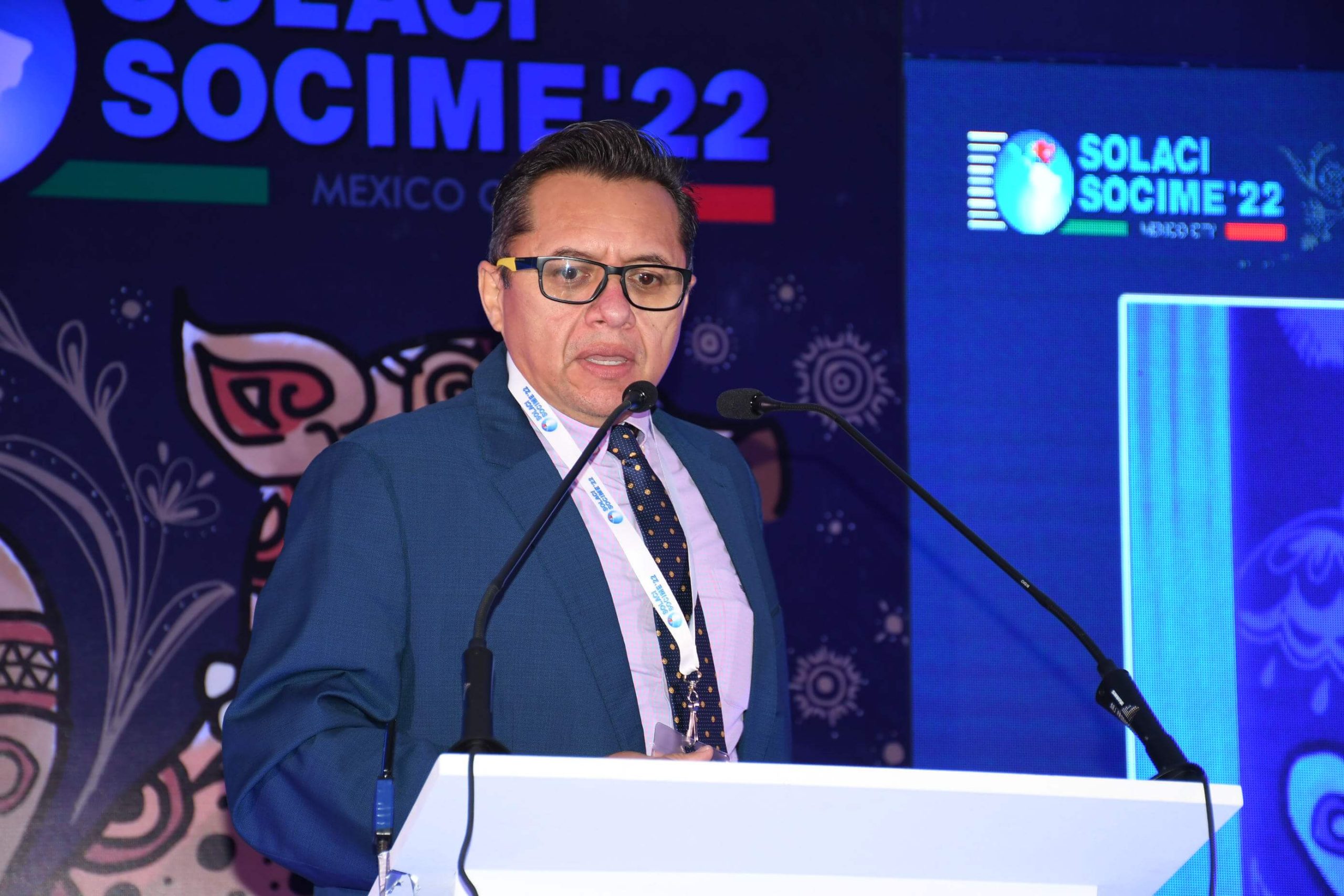
In the first session of SOLACI-SOCIME 2022 on “Complex angioplasty guided by intravascular imaging”, Dr. Alejandro Diaz (MEX) reviewed the evidence on intravascular ultrasound (IVUS) in complex angioplasties. A meta-analysis indicated its use is associated with a significant decrease in the risk of death, acute myocardial infarction (AMI), and new target lesion revascularization (TLR) in a period of 12 months to 4 years. 

He also emphasized the use of this tool for stent implantation in chronic total occlusions, which yields a low incidence of in-stent restenosis at follow-up, because stent expansion is optimized. 
However, in left main coronary artery disease (the Noble substudy), its use was associated with a lower rate of TLR. 

Dr. Diaz concluded his presentation with data from the ULTIMATE study, which showed a significant, 47-% reduction in the outcome “treated vessel failure” (TVF) compared with angiography (p = 0.019).
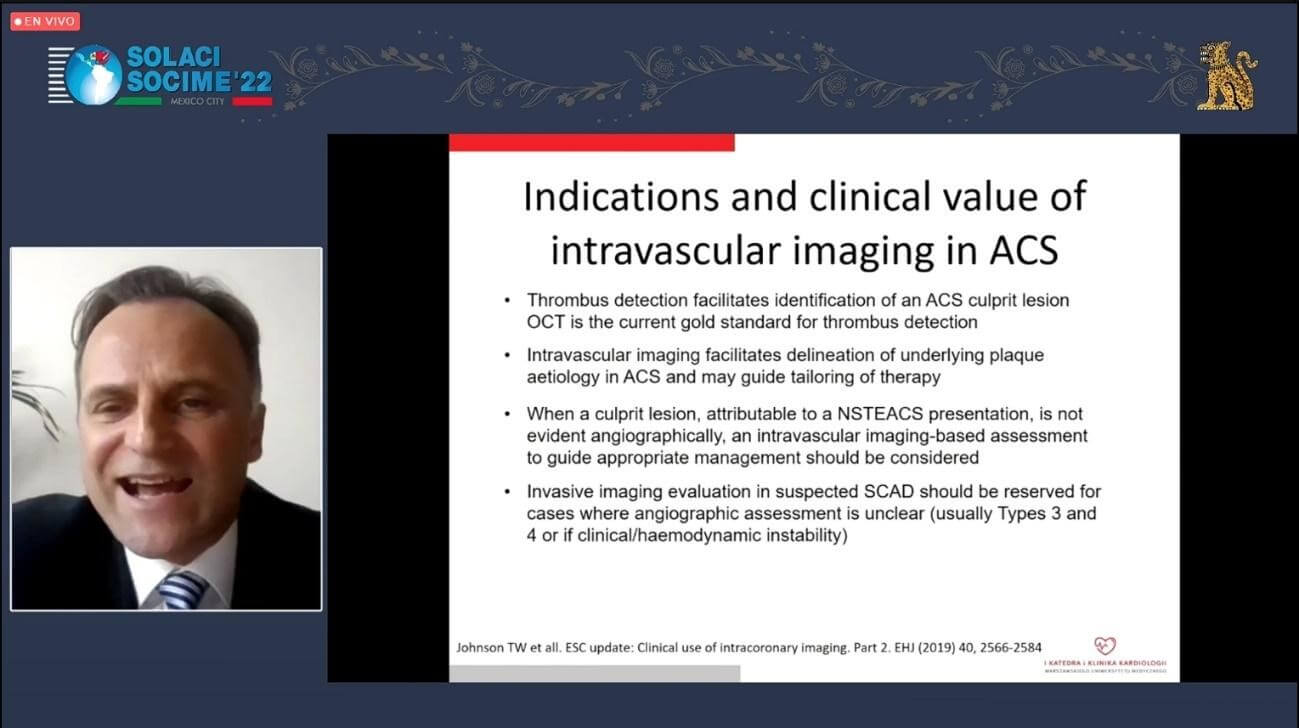
Afterwards, we were pleased to listen to Dr. Tomasz Mazurek (POL), who spoke about his experience in different scenarios, highlighting the importance of intravascular imaging in syndromes such as spontaneous coronary artery dissection when angiographic evidence is unclear or in cases of hemodynamic instability. He also emphasized the correct identification of thrombus in coronary syndromes by means of optical coherence tomography (OCT)—deemed the gold standard.

Dr. Omar Tupayachi

Dr. Omar Tupayachi.
Member of the editorial board of SOLACI.org.


Subscribe to our weekly newsletter

Get the latest scientific articles on interventional cardiology

More articles by this author

Morpheus Global Registry: Safety and efficacy of the long tapered BioMime™ Morph stent in complex coronary lesions

Percutaneous coronary intervention in long coronary lesions continues to represent a technical and clinical challenge, in which the use of conventional cylindrical stents may...

Hybrid Coronary Revascularization versus Conventional Bypass Surgery in Left Main Coronary Artery Disease

Significant left main coronary artery (LMCA) disease continues to represent a therapeutic challenge, particularly in patients with complex multivessel disease and high SYNTAX scores,...

Comparison of strategies: NMA of IVUS, OCT, or angiography in complex lesions

Percutaneous coronary intervention (PCI) in complex lesions continues to represent a technical challenge in contemporary interventional cardiology. Angiography, although it remains the most widely...

Dynamic Coronary Roadmap: does it really help reduce contrast use?

Contrast-induced nephropathy remains a relevant complication of percutaneous coronary interventions (PCI), particularly in patients with multiple comorbidities and complex coronary anatomies. Dynamic Coronary Roadmap...

LEAVE A REPLY

Please enter your comment!
Please enter your name here

Related Articles

SOLACI Sessionsspot_img

Recent Articles

Transcatheter Deep Vein Arterialization in Critical Limb Ischemia Without Revascularization Options

Chronic limb-threatening ischemia in patients without conventional revascularization options represents one of the most challenging scenarios within peripheral arterial disease, with 1-year major amputation...

Transcatheter Paravalvular Leak Closure: Mid-Term Outcomes and Prognostic Factors

Paravalvular leaks (PVL) are a frequent complication following surgical valve replacement, occurring in 5% to 18% of prosthetic valves. Incidence varies according to valve...

After a Major Bleeding Event in Atrial Fibrillation: When Should Left Atrial Appendage Closure Be Considered?

Atrial fibrillation (AF) in patients who experience a major bleeding event represents a complex clinical scenario in which percutaneous left atrial appendage closure (LAAC)...

