



The Best of the SOLACI-SOCIME 2022 Main Arena: Complex PCI Guided by Intravascular Imaging

In the first session of SOLACI-SOCIME 2022 on “Complex angioplasty guided by intravascular imaging”, Dr. Alejandro Diaz (MEX) reviewed the evidence on intravascular ultrasound (IVUS) in complex angioplasties. A meta-analysis indicated its use is associated with a significant decrease in the risk of death, acute myocardial infarction (AMI), and new target lesion revascularization (TLR) in a period of 12 months to 4 years. 

He also emphasized the use of this tool for stent implantation in chronic total occlusions, which yields a low incidence of in-stent restenosis at follow-up, because stent expansion is optimized. 
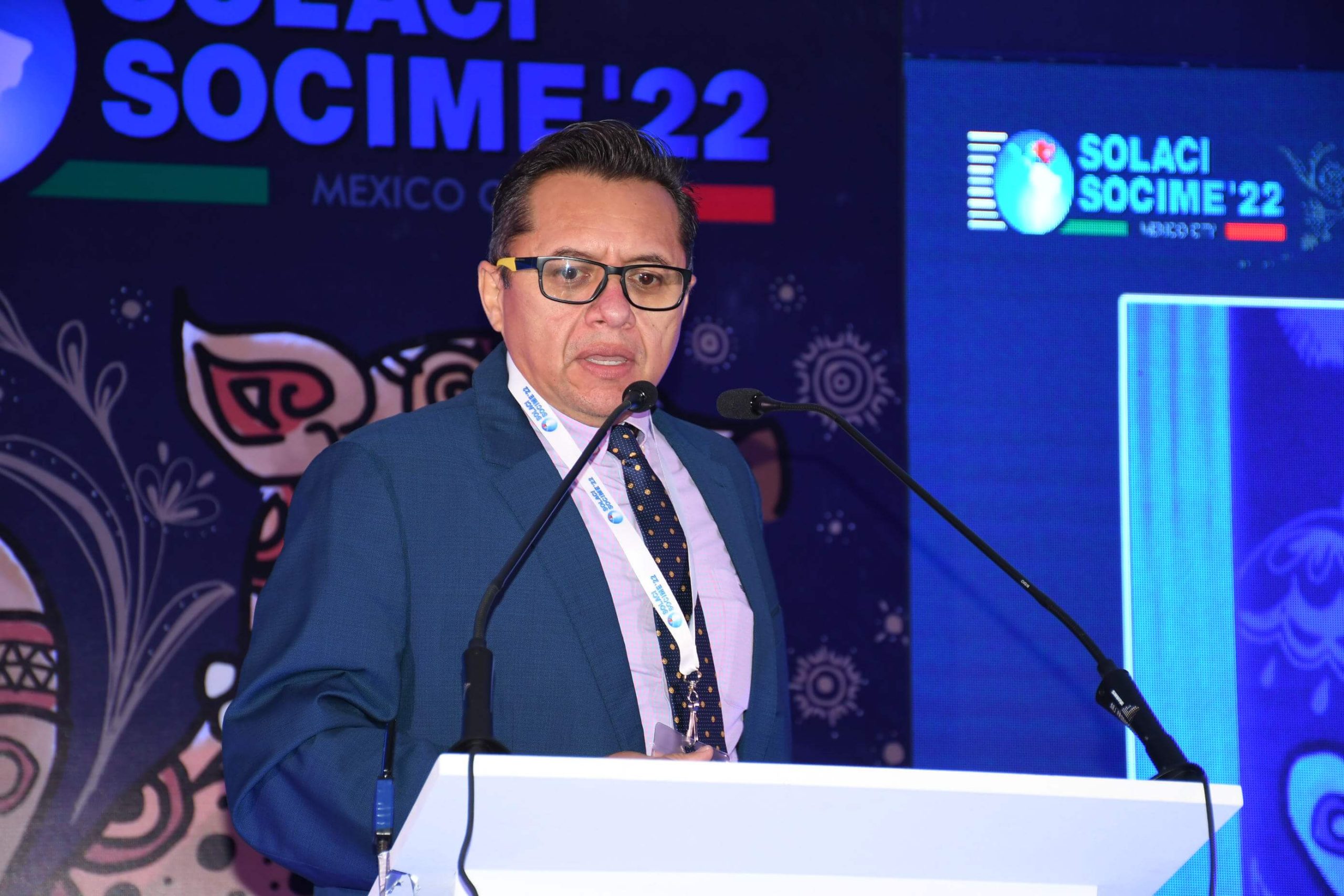
However, in left main coronary artery disease (the Noble substudy), its use was associated with a lower rate of TLR. 

Dr. Diaz concluded his presentation with data from the ULTIMATE study, which showed a significant, 47-% reduction in the outcome “treated vessel failure” (TVF) compared with angiography (p = 0.019).
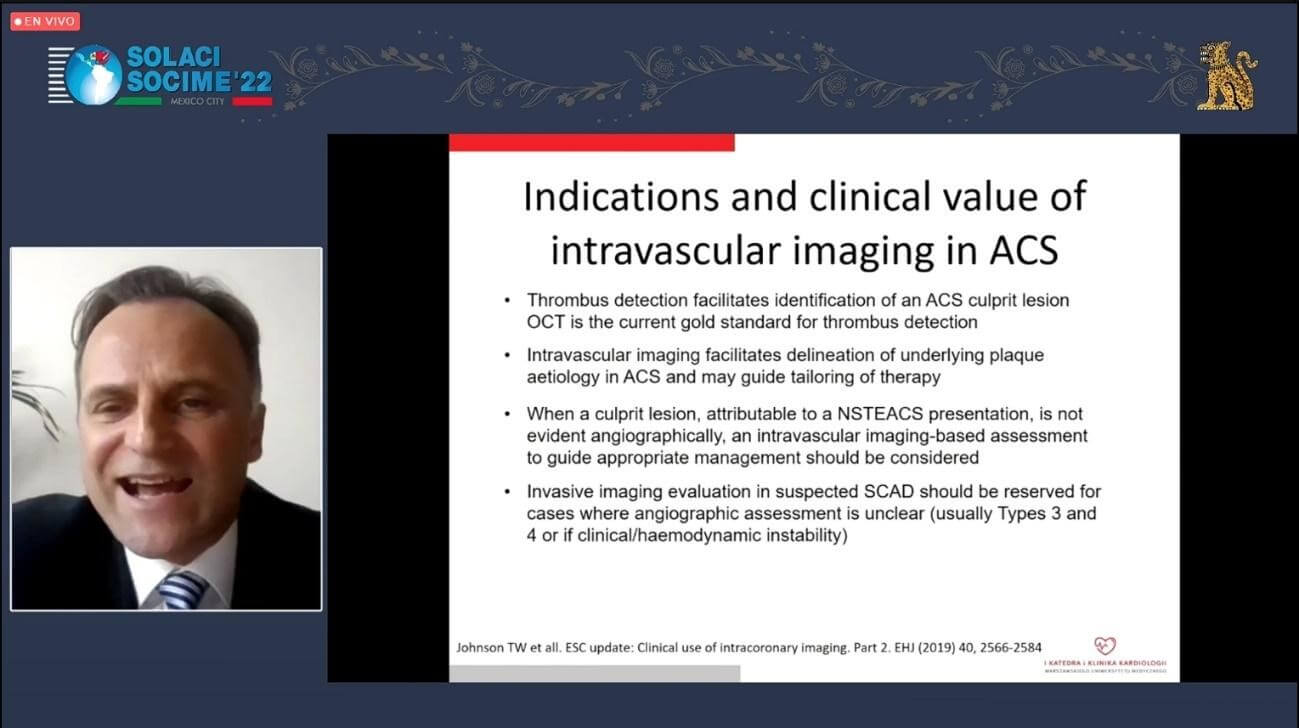
Afterwards, we were pleased to listen to Dr. Tomasz Mazurek (POL), who spoke about his experience in different scenarios, highlighting the importance of intravascular imaging in syndromes such as spontaneous coronary artery dissection when angiographic evidence is unclear or in cases of hemodynamic instability. He also emphasized the correct identification of thrombus in coronary syndromes by means of optical coherence tomography (OCT)—deemed the gold standard.
Dr. Omar Tupayachi

Dr. Omar Tupayachi.
Member of the editorial board of SOLACI.org.


Subscribe to our weekly newsletter

Get the latest scientific articles on interventional cardiology

More articles by this author

Is IVUS Always Necessary for Left Main Coronary Artery PCI?

Percutaneous coronary intervention (PCI) of the unprotected left main coronary artery is a highly complex procedure because of the large amount of myocardium at...

Dual-Prep Registry: Atherectomy and IVL for Severe Coronary Calcification

Severe coronary calcification remains one of the most challenging scenarios in percutaneous coronary intervention (PCI). Although rotational or orbital atherectomy and intravascular lithotripsy (IVL)...

Prehospital heparin in STEMI: A safe strategy associated with improved early reperfusion

Early reperfusion remains the main prognostic determinant in patients with ST-segment elevation myocardial infarction (STEMI). Although primary percutaneous coronary intervention (PCI) is the treatment...

Plaque Ruptures in Non-Culprit Arteries: Follow-Up With Intravascular Imaging

Plaque rupture remains one of the most important pathophysiological mechanisms in acute coronary syndromes. However, not all ruptures manifest clinically as ischemia, myocardial infarction,...

LEAVE A REPLY

Please enter your comment!
Please enter your name here

Related Articles

SOLACI Sessionsspot_img
Jornadas Guatemala 2026

Recent Articles

Supera vs. Eluvia at 3 Years in Severely Calcified Femoropopliteal Lesions

Severe calcification remains one of the main predictors of restenosis and the need for repeat revascularization following endovascular treatment of femoropopliteal disease. In this...

Is IVUS Always Necessary for Left Main Coronary Artery PCI?

Percutaneous coronary intervention (PCI) of the unprotected left main coronary artery is a highly complex procedure because of the large amount of myocardium at...

Dual-Prep Registry: Atherectomy and IVL for Severe Coronary Calcification

Severe coronary calcification remains one of the most challenging scenarios in percutaneous coronary intervention (PCI). Although rotational or orbital atherectomy and intravascular lithotripsy (IVL)...

