



Modelos europeos de telemedicina, como el servicio finlandés Medilux, permiten realizar consultas médicas online mediante un cuestionario clínico, sin acudir a una consulta presencial.

Alcohol Septal Ablation and Pacemaker Implantation: Results After 5 Years

Alcohol septal ablation is used to treat patients with obstructive hypertrophic cardiomyopathy. A significant complication in this intervention is atrioventricular block requiring pacemaker implantation in 7% to 20% of cases. Current evidence is limited for clinical results at follow-up for these patients.
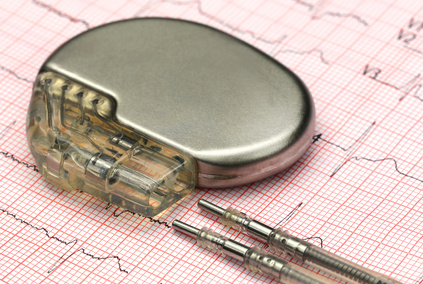
Ablación septal con alcohol e implante de marcapasos

The aim of this study was to evaluate the results for patients with permanent pacemaker implantation related to high-degree atrioventricular block.

The EURO-ASA multinational registry was used. A total of 1814 patients with 5 years of follow-up were analyzed. Within 30 days after ablation, 9.4% (170 patients) had a pacemaker implanted. 

After, propensity score matching was conducted to homogenize groups, and 278 patients were compared (139 pacemaker arm vs. 139 non-pacemaker arm). There were no long-term differences in terms of functional class and survival. 

However, patients in the pacemaker arm presented a lower long-term left ventricular (LV) outflow tract gradient (p < 0.01), a more pronounced decrease in LV gradient (p < 0.01), lower ejection fraction (= 0.02), and lower rates of reintervention (ablation or surgery) (p = 0.02).

Read also: Prognosis After Pacemaker Implantation in Alcohol Septal Ablation.

In multivariate analysis, older age (p < 0.01) and branch block prior to ablation (p = 0.01) were predictors of all-cause mortality.

Conclusion

Patients with hypertrophic cardiomyopathy treated with alcohol septal ablation had about a 9-% likelihood of pacemaker implantation within 30 days of the procedure. In the long term, patients who underwent pacemaker implantation had lower LV outflow tract gradient, greater steep decline in LV outflow tract gradient, lower ejection fraction, and lower rates of reintervention. However, they had similar survival rates and functional class compared with patients who did not undergo pacemaker implantation.

Dr. Andrés Rodríguez

Dr. Andrés Rodríguez.
Member of the Editorial Board of SOLACI.org.

Original Title: Outcomes of Patients With Hypertrophic Obstructive Cardiomyopathy and Pacemaker Implanted After Alcohol Septal Ablation.

Reference: Josef Veselka, MD et al J Am Coll Cardiol Intv 2022;15:1910–1917.


Subscribe to our weekly newsletter

Get the latest scientific articles on interventional cardiology

More articles by this author

Percutaneous closure of paravalvular leaks in high-risk patients: clinical outcomes and the impact of residual leak

Paravalvular leak (PVL) is a relatively frequent complication following valve replacement (overall incidence 5–18%; 2–10% in the aortic position and 7–17% in the mitral...

SCAI 2026 | Can an atrial fixation device prevent complications of transcatheter mitral valve replacement? Analysis of the AltaValve system

Transcatheter mitral valve replacement (TMVR) represents one of the most complex areas within structural interventions. Unlike TAVI, where valvular anatomy typically provides more predictable...

Beyond TAVI: Cardiac Rehabilitation as a Determinant of Clinical Outcomes

Aortic stenosis is an increasingly prevalent condition associated with population aging, with a prevalence of approximately 3.4% in individuals over 75 years of age...

Comparative outcomes between transaxillary approach and thoracotomy-based approaches in TAVI with alternative access

TAVI has become the standard treatment for high-risk aortic stenosis. When transfemoral access is not feasible (approximately 10–15%), alternative approaches are used: transaxillary (subclavian...

LEAVE A REPLY

Please enter your comment!
Please enter your name here

Related Articles

SOLACI Sessionsspot_img

Recent Articles

Percutaneous closure of paravalvular leaks in high-risk patients: clinical outcomes and the impact of residual leak

Paravalvular leak (PVL) is a relatively frequent complication following valve replacement (overall incidence 5–18%; 2–10% in the aortic position and 7–17% in the mitral...

SCAI 2026 | Deep vein arterialization as an alternative in patients with critical limb ischemia without conventional options

Critical limb ischemia (CLI) represents one of the most advanced stages of peripheral arterial disease (PAD). In a significant proportion of patients, distal anatomy,...

SCAI 2026 | Can an atrial fixation device prevent complications of transcatheter mitral valve replacement? Analysis of the AltaValve system

Transcatheter mitral valve replacement (TMVR) represents one of the most complex areas within structural interventions. Unlike TAVI, where valvular anatomy typically provides more predictable...

