






Alcohol septal ablation is used to treat patients with obstructive hypertrophic cardiomyopathy. A significant complication in this intervention is atrioventricular block requiring pacemaker implantation in 7% to 20% of cases. Current evidence is limited for clinical results at follow-up for these patients.
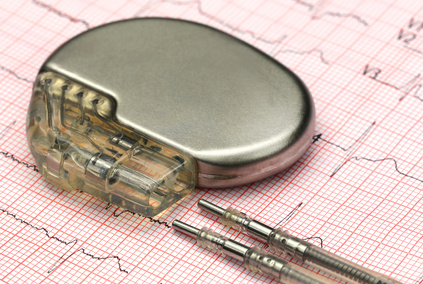
The aim of this study was to evaluate the results for patients with permanent pacemaker implantation related to high-degree atrioventricular block.
The EURO-ASA multinational registry was used. A total of 1814 patients with 5 years of follow-up were analyzed. Within 30 days after ablation, 9.4% (170 patients) had a pacemaker implanted.
After, propensity score matching was conducted to homogenize groups, and 278 patients were compared (139 pacemaker arm vs. 139 non-pacemaker arm). There were no long-term differences in terms of functional class and survival.
However, patients in the pacemaker arm presented a lower long-term left ventricular (LV) outflow tract gradient (p < 0.01), a more pronounced decrease in LV gradient (p < 0.01), lower ejection fraction (p = 0.02), and lower rates of reintervention (ablation or surgery) (p = 0.02).
Read also: Prognosis After Pacemaker Implantation in Alcohol Septal Ablation.
In multivariate analysis, older age (p < 0.01) and branch block prior to ablation (p = 0.01) were predictors of all-cause mortality.
Conclusion
Patients with hypertrophic cardiomyopathy treated with alcohol septal ablation had about a 9-% likelihood of pacemaker implantation within 30 days of the procedure. In the long term, patients who underwent pacemaker implantation had lower LV outflow tract gradient, greater steep decline in LV outflow tract gradient, lower ejection fraction, and lower rates of reintervention. However, they had similar survival rates and functional class compared with patients who did not undergo pacemaker implantation.

Dr. Andrés Rodríguez.
Member of the Editorial Board of SOLACI.org.
Original Title: Outcomes of Patients With Hypertrophic Obstructive Cardiomyopathy and Pacemaker Implanted After Alcohol Septal Ablation.
Reference: Josef Veselka, MD et al J Am Coll Cardiol Intv 2022;15:1910–1917.
Subscribe to our weekly newsletter
Get the latest scientific articles on interventional cardiology



