






The purpose of myocardial viability testing is to identify patients that might benefit from revascularization by diagnosing three types of myocardium: normal, viable or hibernating, and scarred (non-viable). Non-randomized studies have shown recovery of a viable ventricle after myocardial revascularization surgery (CABG) and improved survival.
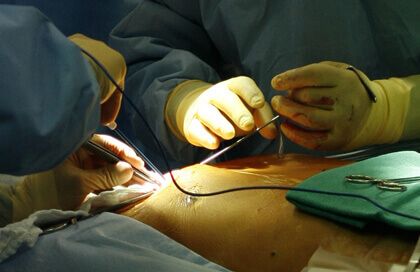
However, a sub-analysis of the main study on viability testing, the STITCH, initially showed the volume of viable myocardium failed to predict the effectiveness of coronary artery bypass grafting, even though long term outcomes did reveal significant survival benefits at 10 years, especially in multivessel patients (STICHES).
The role of viability testing in survival and improved ventricular function of patients with ischemic cardiomyopathies remains uncertain. The REVIVED-BCIS2, carried out in the UK, compared percutaneous coronary intervention (PCI) against optimal medical treatment (OMT) in patients with ischemic cardiomyopathy and failed to show improved outcomes.
The same authors carried out a prespecified analysis of clinical events and ventricular function according to myocardial viability to determine prognosis and functional recovery. To assess viability, they used 25% late gadolinium enhancement cardiac magnetic resonance (CMR) and dobutamine stress echocardiograms.
Read also: Preparation Before Elective Coronary Angiography: Is Prolonged Fasting the Only Option?
Primary end point was a composite of mortality and hospitalization for cardiac failure at 24 months. Secondary end points were all cause mortality, cardiovascular mortality, hospitalization for cardiac failure and improved EF.
Of the 700 REVIVED participants, 610 were analyzed, mean age 69.3 and 87% men. Mean viability and non-viability extent was 29% (IQR, 12% to 53%) and 29% (IQR, 12% to 41%), respectively. The primary end point was seen in 107 of the 295 participants in the PCI group and 114 of the 315 participants in the OMT group (36.3% vs. 36.2%; difference between groups, 0.1%; HR, 0.99; CI 95%, 0.76-1.29; P = .93), findings congruent with the main study.
There was no link between the extent of viable myocardium in PCI or OMT patients and primary or secondary outcomes; these findings were reaffirmed when comparing the extent of non-viable myocardium. When assessing the entire REVIVED cohort, patients with greater volume of non-viable myocardial presented higher likelihood of primary events.
Read also: Left Atrial Appendage Closure and Concomitant Transcatheter Intervention: Can We?
A sensitivity analysis with a cutoff LGE value of 50% also failed to show differences in the incidence of primary outcomes according to viability. Mean change in ejection fraction post intervention was 4.7% (IQR, -2.2% to 12.5%) at 6 months. A following landmark analysis found patients who experienced a 4.7% improved ejection fraction presented a 38% reduction in primary outcome relative risk.
Conclusions
To conclude, this sub-analysis of the REVIVED has confirmed the lack of benefits in PCI patients, regardless viability extent. Quantified extent, with CMR or dobutamine stress echocardiogram, did not show any correlation with event-free survival.

Dr. Omar Tupayachi.
Member of the Editorial Board of SOLACI.org.
Original Title: Viability and Outcomes With Revascularization or Medical Therapy in Ischemic Ventricular Dysfunction A Prespecified Secondary Analysis of the REVIVED-BCIS2 Trial.
Reference: Perera D, Ryan M, Morgan HP, Greenwood JP, Petrie MC, Dodd M, Weerackody R, O’Kane PD, Masci PG, Nazir MS, Papachristidis A, Chahal N, Khattar R, Ezad SM, Kapetanakis S, Dixon LJ, De Silva K, McDiarmid AK, Marber MS, McDonagh T, McCann GP, Clayton TC, Senior R, Chiribiri A; REVIVED-BCIS2 Investigators. Viability and Outcomes With Revascularization or Medical Therapy in Ischemic Ventricular Dysfunction: A Prespecified Secondary Analysis of the REVIVED-BCIS2 Trial. JAMA Cardiol. 2023 Dec 1;8(12):1154-1161. doi: 10.1001/jamacardio.2023.3803. PMID: 37878295; PMCID: PMC10600721.
Subscribe to our weekly newsletter
Get the latest scientific articles on interventional cardiology



